Two operators, five train types, city transport in every major city, and ferries to the islands — the complete reference guide to Italy's train network.
Last verified: April 2026. Prices and transport details can change. Always check official sources before travelling.
This is the reference guide to Italy's train network — the piece to bookmark and come back to when you have a specific question. If you're looking for a broader introduction to travelling Italy by train for the first time, including how to structure your trip and whether to upgrade your ticket, read our first time guide first. This guide goes deeper on the mechanics.
The two operators: Trenitalia and Italo
Italy has two companies competing on high-speed routes. Both run comfortable, modern trains at similar speeds between the major cities. The key difference for most travellers is price — check both before booking, as one is often cheaper than the other on any given day.
| Trenitalia | Italo | |
|---|---|---|
| Ownership | State-owned | Private |
| Network | All of Italy including all regional trains | High-speed only between major cities |
| High-speed trains | Frecciarossa, Frecciargento, Frecciabianca | Italo EVO, Italo |
| Book via | trenitalia.com, Trainline | italotreno.it, Trainline |
| Regional trains | Yes | No |
For regional trains — day trips to Orvieto, Lucca, Cinque Terre and so on— Trenitalia is the only option. Italo does not operate regional services. Trainline shows Trenitalia and Italo side by side for easy comparison on high-speed routes.
Every type of Italian train, explained
Italian trains fall into five categories. Here's what each one means in practice.
Frecciarossa
Trenitalia's flagship high-speed service, capable of speeds up to 300km/h. Runs between major cities including Rome, Florence, Bologna, Milan, Naples, Turin and Venice. Four classes: Standard, Premium, Business and Executive. Premium includes drinks and a snack served at your seat. Business has larger seats and more space. Executive provides luxury seating. Your ticket has a specific seat and train — no validation required. These are the trains most visitors use for long-distance travel.
Frecciargento and Frecciabianca
Trenitalia’s other fast services include Frecciargento and Frecciabianca. Frecciargento trains run partly on high-speed lines and partly on conventional tracks, linking cities such as Bari, Reggio Calabria, and Trieste to the main network. Frecciabianca trains operate entirely on conventional lines and are generally slower. Booking works in much the same way as Frecciarossa: tickets are issued for a specific train and seat, and no ticket validation is required before boarding.
Italo EVO and Italo
Italo runs high-speed trains on the same main lines as Trenitalia’s Frecciarossa, connecting major cities including Rome, Florence, and Milan. It offers several classes, typically Smart, Prima, and Club Executive. Prima provides larger seats with complimentary snacks and drinks, while Club Executive offers a more exclusive, low-density carriage with enhanced service. Booking works in the same way as Frecciarossa: tickets are issued for a specific train and seat, and no ticket validation is required before boarding..
Intercity
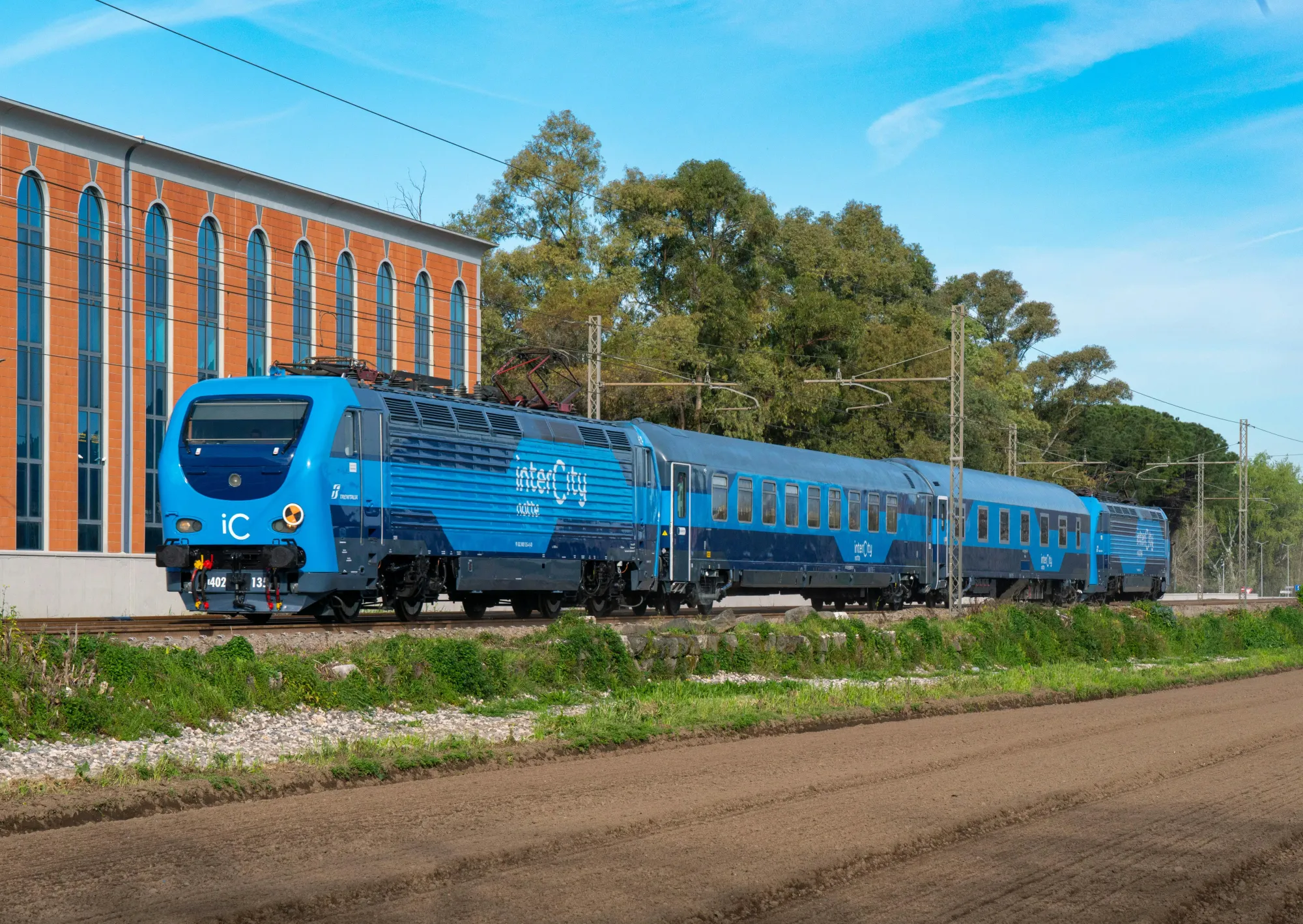
Trenitalia’s InterCity services run on conventional lines, offering a slower but more affordable alternative to the high-speed Frecce trains. They connect a wider range of destinations, including cities such as Orvieto, Assisi, Bari, and Reggio Calabria. Seats are typically reserved, and tickets are valid only for a specific train, so no ticket validation is required before boarding. These services are operated by Trenitalia
Regionale Veloce and Regionale
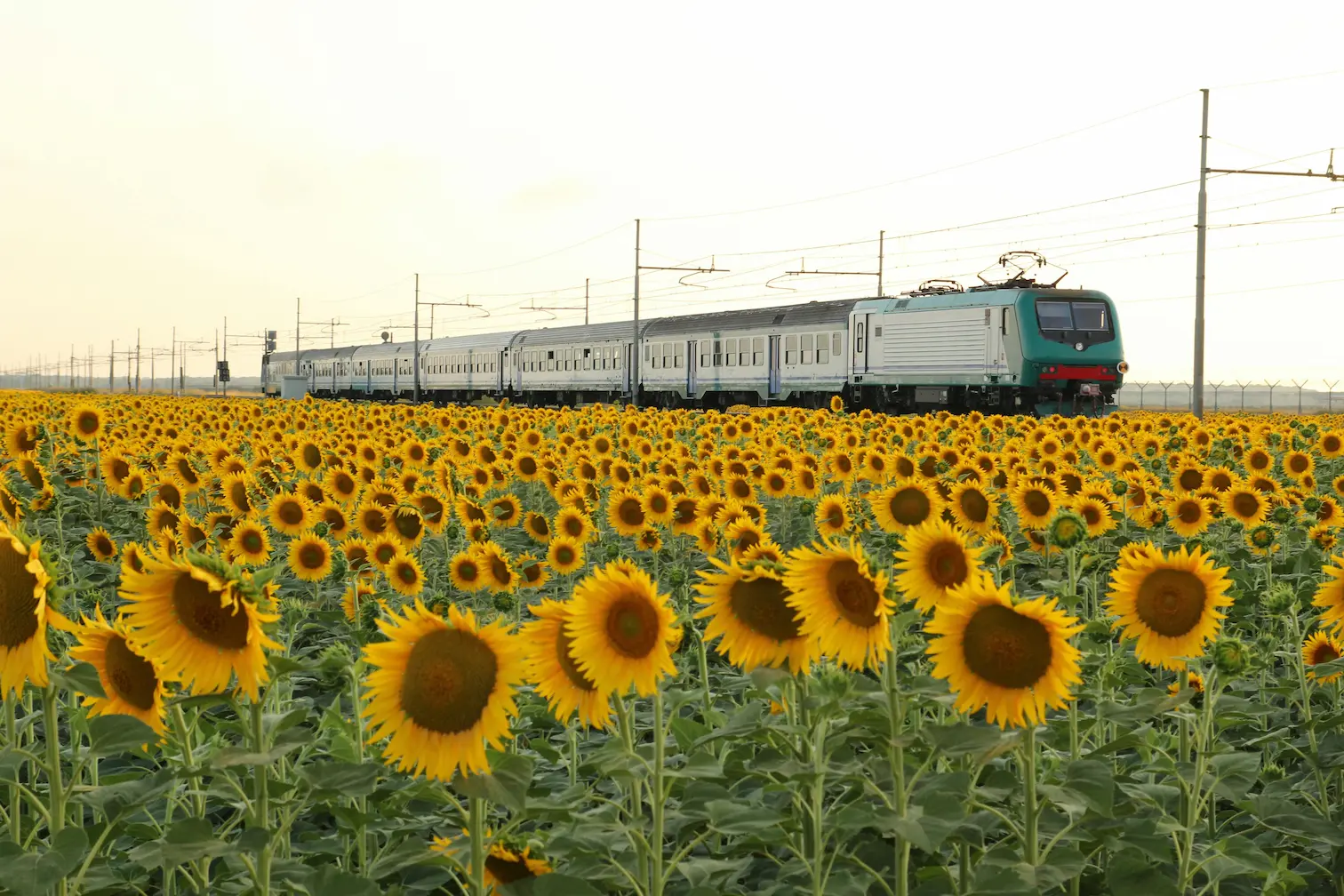
Regional trains — the workhorses of the Italian network. No seat reservation: buy a ticket for any train on the route and sit where you like. Trains run frequently on most routes. These are the trains you'll use for day trips. Paper tickets must be validated before boarding. Digital tickets validate automatically.
Ticket validation in detail
The validation rule applies only to regional train paper tickets. Here is everything you need to know about it.
What needs validating: Paper tickets for Regionale and Regionale Veloce services, with no specific train time printed on them.
What doesn't need validating: Any ticket — paper or digital — with a specific train number, seat and departure time printed on it. All digital tickets booked via app or website. Intercity and Frecciarossa paper tickets.
Where to find the machines: Small yellow or green stamping machines, usually on the platform or near the station entrance. Insert your ticket until it clicks and prints a timestamp. If it doesn't work the first time, turn it the other way round.
The fine for not validating: typically €50 or more. Inspectors check regularly on regional trains and do issue fines to tourists.
The simplest rule: If your ticket has a specific train time then you don't need to validate. If it doesn't have a train time and it's a paper ticket, find a machine before you board. When in doubt, validate — there's no penalty for validating when you didn't need to.
Ticket classes and what they include
| Class | Operator | What's included |
|---|---|---|
| Standard | Trenitalia | Seat, luggage rack, power sockets, WiFi |
| Premium | Trenitalia | More comfortable seat, complimentary drink and snack, quieter carriage |
| Business | Trenitalia | Wider seats, more space, quieter environment, drink and snack, light catering on some routes |
| Executive | Trenitalia | Spacious leather seats in a low-density carriage, premium service and catering |
| Smart | Italo | Standard seat, WiFi, power sockets |
| Prima Business | Italo | More comfortable seating, complimentary snacks and drinks |
| Club Executive | Italo | Spacious seating in a low-density carriage, enhanced service and catering |
Ticket flexibility — what the different fare types mean
Italian high-speed tickets come in several flexibility tiers. Understanding these before you book saves money and avoids nasty surprises if your plans change.
Base / Economy fares — the cheapest option, but non-refundable and non-changeable. Fine if your plans are fixed.
Economy / Super Economy — slightly higher price, may allow changes for a fee. Read the conditions carefully at the point of booking — they vary between operators and routes.
Standard / Flex fares — changeable up to a few minutes before departure, with a partial or full refund available on cancellation. Worth paying for if you're uncertain about timings. On some routes the price difference between Economy and Flex is surprisingly small.
Trainline displays the flexibility conditions clearly for each fare at the point of booking, which makes it easier to compare than booking direct on operator websites. If you're booking several trains for a trip and want consistency, it's worth checking all fares through one platform.
City transport — what to know in each major city
Rome
Two metro lines (Line A and Line B) cover the main tourist areas, with Line A serving the Vatican, Spagna and Termini, and Line B serving the Colosseum. A third line (Line C) exists but does not connect directly to the historic centre. Bus routes cover areas the metro doesn't reach.
You can now tap in with a contactless bank card at metro turnstiles — no need to buy a separate ticket. A single journey costs €1.50 and is valid for 100 minutes on any combination of metro, bus and tram (with one metro entry). 48-hour and 72-hour unlimited passes are available and worth considering if you're moving around a lot. Note: you do not need to tap out when leaving a Rome metro station.
Milan
Italy’s most comprehensive metro — five lines covering the city centre and outer areas. It also accepts contactless bank cards at turnstiles and on buses and trams. Unlike Rome, you generally need to tap in and tap out when using contactless payment on the metro. Trams run on several central routes and are covered by the same ticket. A single journey costs €2.20 and is valid for 90 minutes across the network (with one metro entry).
Florence
No metro. The historic centre is small enough to walk entirely — Santa Maria Novella station is within 20 minutes on foot of almost everything you'd want to see. A tram network (T1, T2) connects the outer areas to the centre and is useful for arriving or departing from Florence Villa Costanza, where many long-distance coaches stop. Tram tickets are €1.70 and available from machines at stops — no need to buy in advance.
Naples
Three metro lines plus a funicular network connecting the seafront to the Vomero hill neighbourhood. The city transport system is less intuitive than Rome or Milan — allow extra time if you're connecting from Naples Centrale to Sorrento (Circumvesuviana line) or to the ferry port. The Circumvesuviana is a separate regional rail operator, not Trenitalia, and has its own tickets and timetable.
Venice
No road transport in the historic centre — everything is on foot or by water. The vaporetto (water bus) runs along the Grand Canal and out to the lagoon islands.
A single vaporetto journey costs €9.50 and is valid for 75 minutes, which is expensive for short hops. If you're staying longer, a 24-hour pass (€25) or 48-hour pass (€35) is usually better value and removes the need to think about fares.
Tickets can be bought at ACTV booths near major stops, ticket machines, or via the official app. Validate your ticket before boarding if required — machines are located at vaporetto stops..
Ferries — getting to the islands
For Sicily and Sardinia, ferries are part of the network rather than an afterthought. The main crossings:
| Route | Duration | Operator |
|---|---|---|
| Naples → Palermo | ~11 hours (overnight) | Grimaldi Lines, GNV |
| Villa San Giovanni → Messina | ~30 minutes (runs very frequently) | Caronte & Tourist. Or Trenitalia train ferry |
| Genoa → Olbia (Sardinia) | ~11 hours (overnight) | Moby, GNV |
| Civitavecchia → Olbia | ~8 hours | Tirrenia, Grimaldi Lines |
| Naples → Cagliari (Sardinia) | ~14 hours (overnight) | Tirrenia |
Overnight crossings are more comfortable than they sound — cabin options range from basic berths to private cabins with en-suite bathrooms. Booking a cabin rather than a seat makes a significant difference on an 11-hour crossing.
For smaller islands — Capri, Ischia, Aeolian Islands, Egadi Islands — hydrofoil and ferry services run from Naples, Palermo, Milazzo and other ports. Hydrofoils are faster but can be rough in wind. Standard ferries take longer but are smoother and can take bikes and additional luggage. From Naples alone, regular services run to the Amalfi Coast, Sorrento, Capri and Ischia.
Ferries are booked separately from train ticket,(except for the Sicily Trenitalia train ticket, which includes the ferry crossing). Grimaldi Lines, Tirrenia and Grandi Navi Veloci (GNV) are among the main operators for major island crossings, and all offer English-language booking websites.
Luggage storage
Most major stations have a deposito bagagli — staffed luggage storage, typically €6–8 for the first five hours. Hours are usually 6am to 11pm but vary by station.
Two app-based services are worth knowing about: Bounce and Radical Storage. Both let you book luggage storage at local hotels, shops and restaurants near any station, with customer reviews for each location. Prices are often similar to station storage, opening hours are longer, and there's rarely a queue. You can book right up to arrival — no need to plan ahead. Both apps work in English and accept international cards.
Reading the departure boards
A few things that confuse first-time visitors:
Trains appear late on the board. It's common for a train not to appear on the departure board (partenze) until 10–15 minutes before departure. This is normal — don't panic if you can't see your train. It will appear.
Search by train number. Multiple trains may serve the same destination at similar times. Your ticket shows a train number (e.g. FR 9631). Finding that specific number on the board — rather than just the destination — removes any ambiguity about which service to board.
Platform changes happen. The platform shown on the board can change, sometimes with very little notice. Keep watching the board until you're on the train, particularly at busy stations..
Ready to start planning? Our guide to planning your Italy by train itinerary covers which regions connect best, how many stops is realistic, and why booking trains before accommodation makes everything easier.