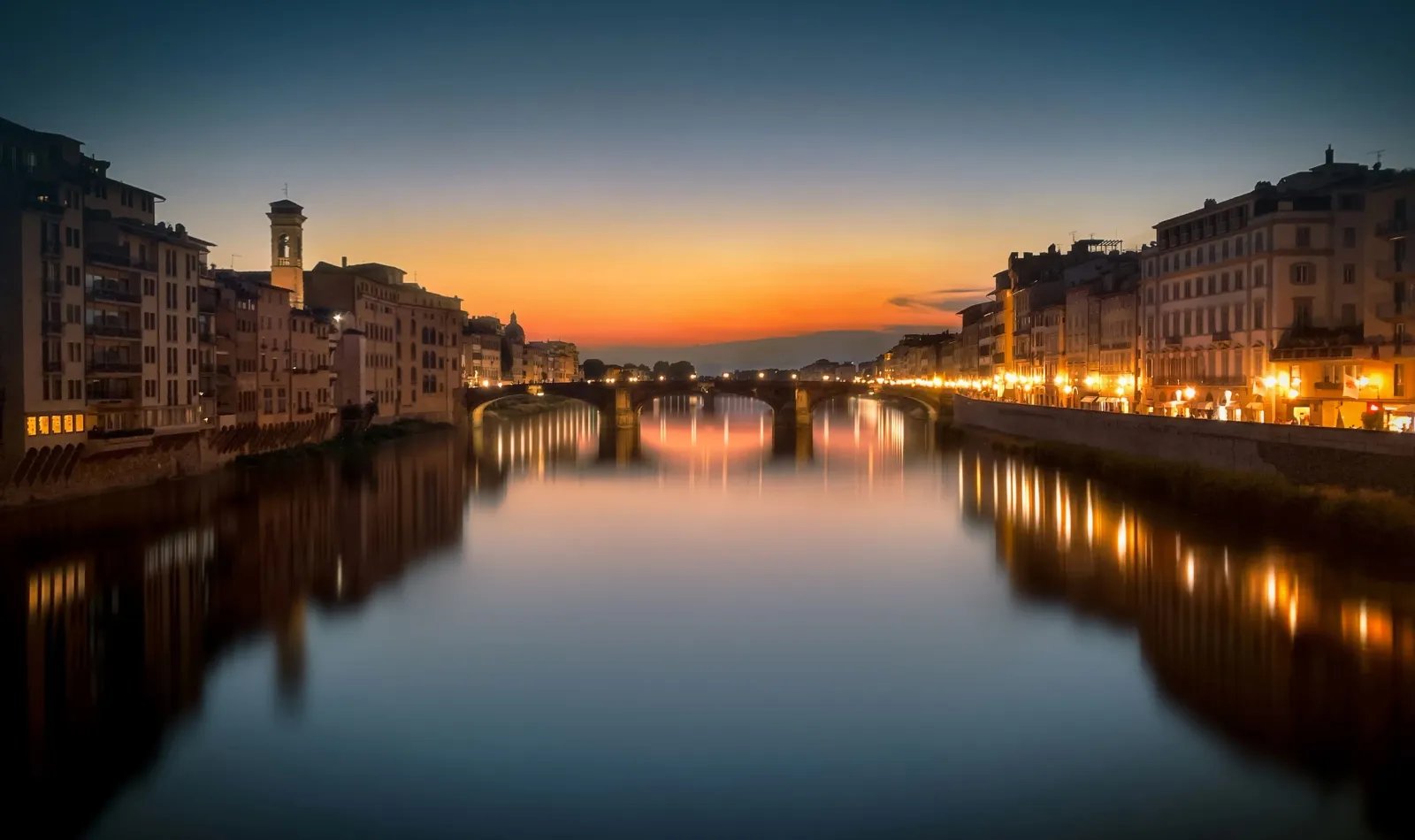
Beyond Florence’s headline sights lies a quieter, more intriguing city, where a short detour reveals hidden corners, overlooked masterpieces, and a far richer sense of place.
Florence is one of those cities that rewards the curious. The Uffizi and the Accademia are magnificent — but so are the things most visitors walk straight past. Here are some places that you can add into your itinerary - and most of them are things you can integrate in while still visiting the bigger iconic sites.
Alternatively, if you want to venture further afield outside of Florence then visit our Day Trips from Florence Guide.
| Place | Best for | Cost |
|---|---|---|
| Duomo & Baptistery | Architecture, history, the flood mark | Free to view outside |
| Mercato Centrale | Lunch, local food, fast and affordable | Free entry, pay per dish |
| Vasari Corridor | Unique views over Ponte Vecchio | €47, includes Uffizi ticket |
| Wine windows | A glass of wine handed through a hole in the wall | €8–18 per glass |
| Boboli Gardens | A quiet hour away from the crowds | €10 |
| Dante's neighbourhood | Medieval streets, atmosphere, history | Free |
| Perseus and the self-portrait | Cellini's hidden face in the Loggia dei Lanzi | Free |
| Farmacia di Santa Maria Novella | The most beautiful shop in Florence | Free to enter |
| Teatro del Maggio Musicale | Opera and orchestral performances in a world-class venue | Varies by performance |
1. The Duomo and Baptistery — Flood marker
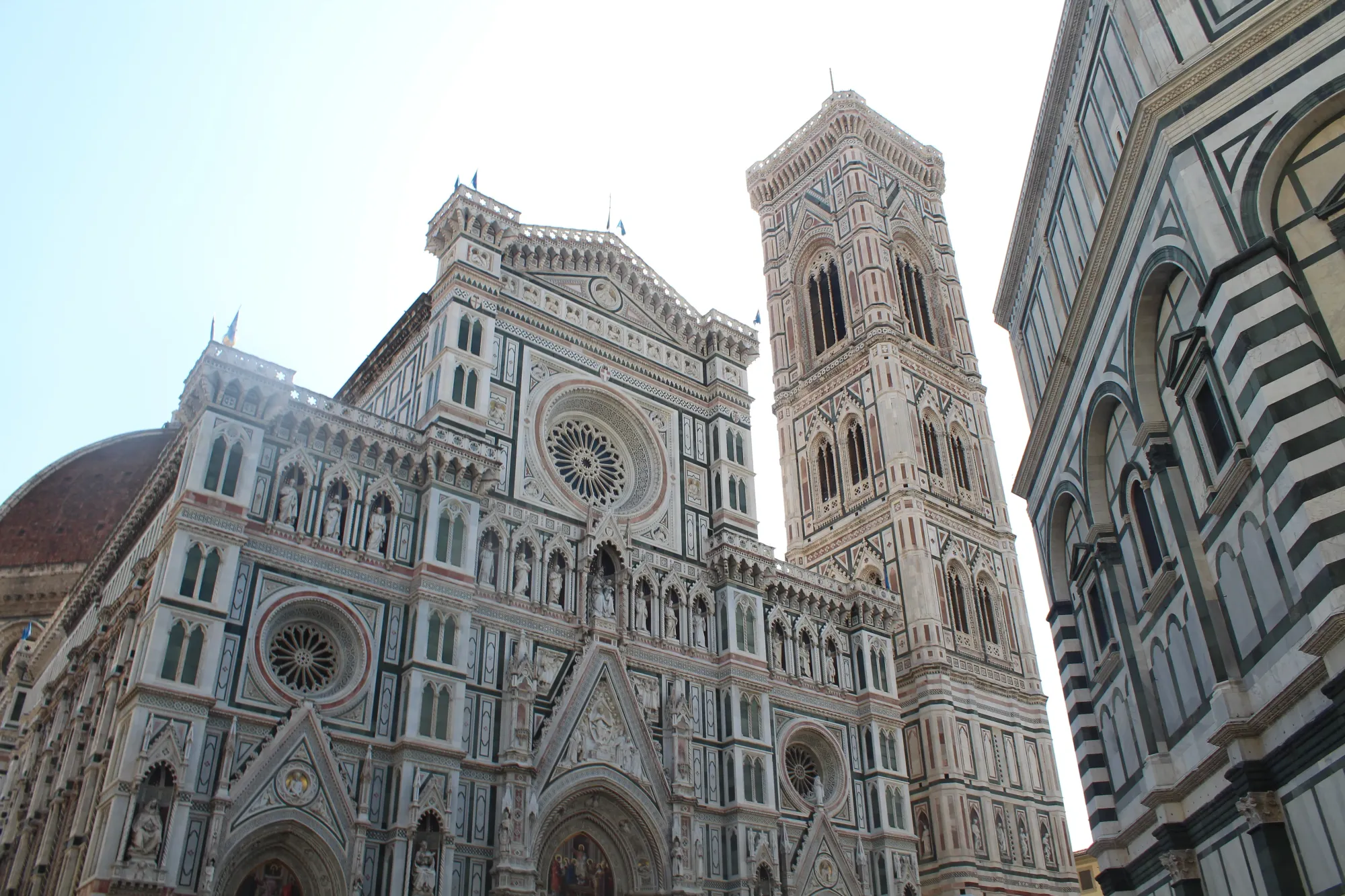
The facade of the Duomo stops you in your tracks every time, no matter how many times you've seen it. The geometric marble cladding in white, green and pink, Brunelleschi's dome rising above the rooftops, the Baptistery's bronze doors opposite — this is one of the great public spaces in Europe and it's completely free to stand and take it in.
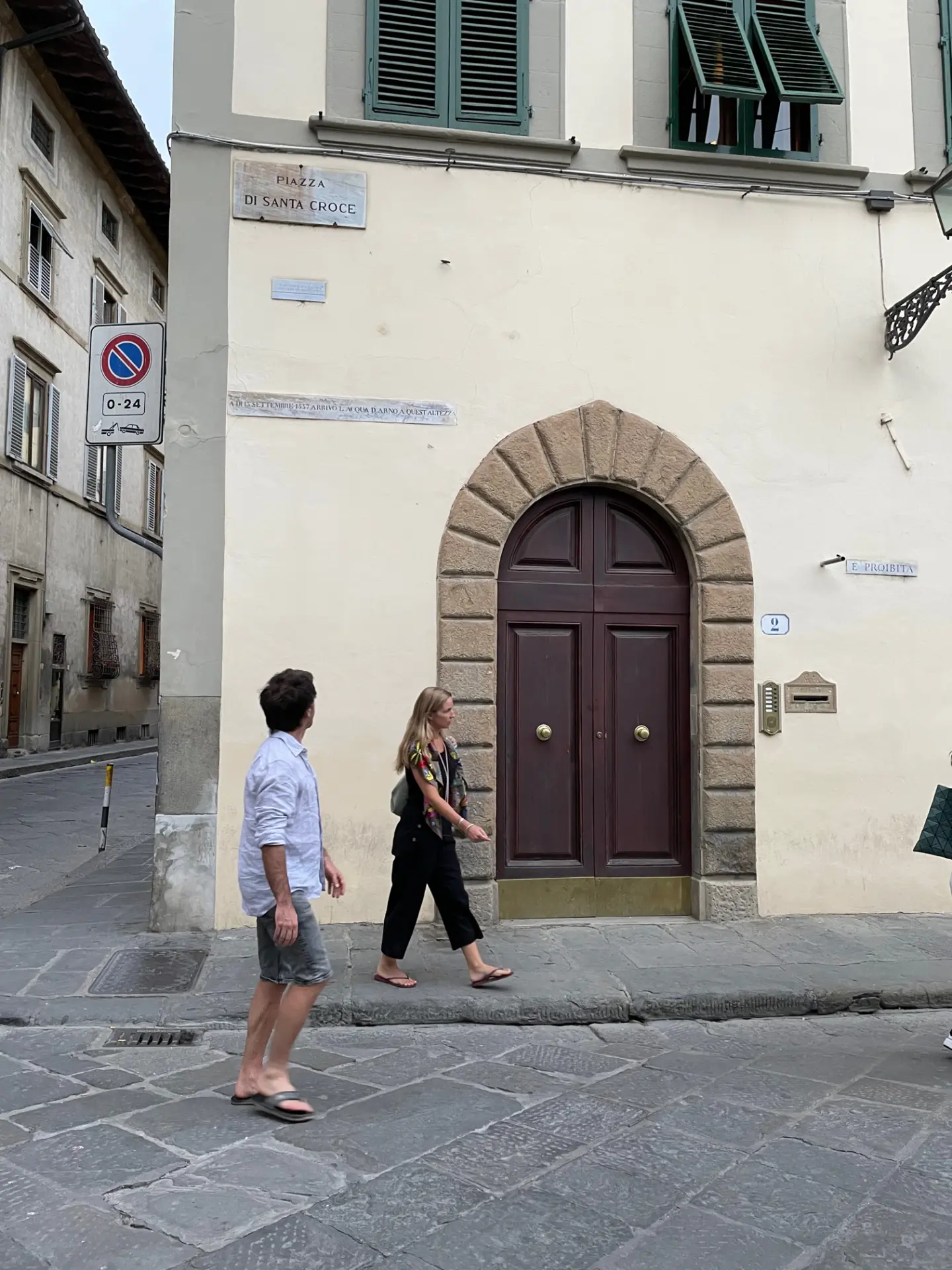
But here's the thing most visitors miss: look for the flood markers around Florence - there is one on the outer walls of the buildings around the Piazza del Duomo. On 4 November 1966, the Arno burst its banks and floodwater surged through Florence to a depth of around six metres in some parts of the city. The marks on the walls (for both the flood of 1966 and 1557) show exactly where the water reached.
Seeing them in person, at head height or above, makes the scale of the disaster suddenly very real. Keep an eye out for these marks throughout the city; once you start noticing them, you see them everywhere.
2. Mercato Centrale — go upstairs
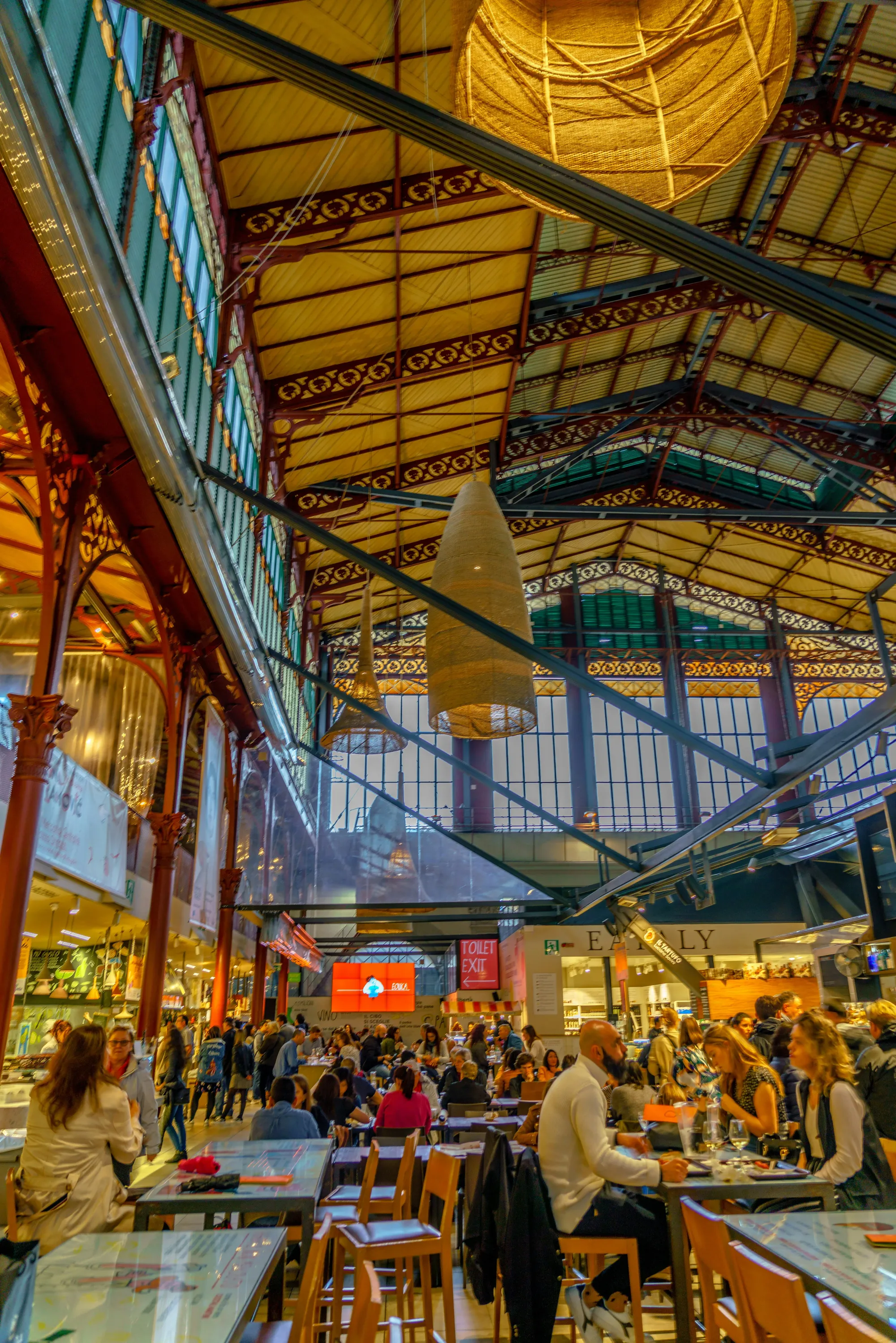
The ground floor of the Mercato Centrale (central market) near Santa Maria Novella station is a traditional covered market — good for produce, meat, cheese. But most visitors don't realise there's an entire food hall upstairs, and it's one of the best lunch stops in Florence.
The upper floor is lined with independent food stalls covering virtually every Italian regional cuisine — pasta, pizza, lampredotto (the Florentine tripe sandwich that's an institution), fresh fish, Sicilian arancini, Neapolitan street food, Tuscan ribollita. The quality is genuinely high, prices are reasonable, and the pace is fast — exactly right if you're on the move and don't want to lose an hour to a sit-down lunch.
It gets busy around 1pm. If you arrive just before noon or after 2pm you'll find it much calmer. There's seating throughout and the atmosphere is noisy, cheerful and very Florentine.
3. The Vasari Corridor — finally open again
This is the single most exciting thing to open in Florence in years, and it only happened in December 2024 after eight years of closure.
The Vasari Corridor is a covered elevated walkway built in 1565 for the Medici family — specifically so that Cosimo I could walk from his residence at Palazzo Pitti, over the Ponte Vecchio, through the Uffizi and all the way to Palazzo Vecchio without ever setting foot in the street. Over 700 metres long, threading through the upper floors of buildings and above the heads of everyone on the bridge below, it allowed the most powerful family in Renaissance Florence to move through the city completely unseen. You can now walk this exact route yourself.
The views from the corridor's windows over the Ponte Vecchio and the Arno are unlike anything else in Florence — you're looking down at the bridge from above, seeing the city from the angle the Medici saw it. The walk takes around 40 minutes and the route runs one way only, from the Uffizi to the Boboli Gardens, where you exit near the Buontalenti Grotto.
I must admit the tickets are very expensive - so you may decide to simply spot the corridor from the ground like I did, but if you want to experience it first-hand - then you will need to purchase a combined Uffizi Gallery and Vasari Corridor ticket for €47. You may want to combine it as part of the Uffizi PassePartout 5-day ticket which offers value-for-money if you are visiting the Uffizi, Pitti Palace and the Boboli Gardens.
A few things to know before you go:
| Ticket | €47 in advance, which includes the Uffizi Gallery ticket — book via uffizi.it |
| Opening hours | Tuesday–Sunday, 10.15am–4.35pm. Closed Mondays |
| Group size | Maximum 25 people per time slot — book well in advance |
| Note | Tickets are non-refundable. Do not leave luggage in the Uffizi cloakroom as you cannot return to collect it after the corridor visit. |
4. The wine windows — a glass of wine through a hole in the wall
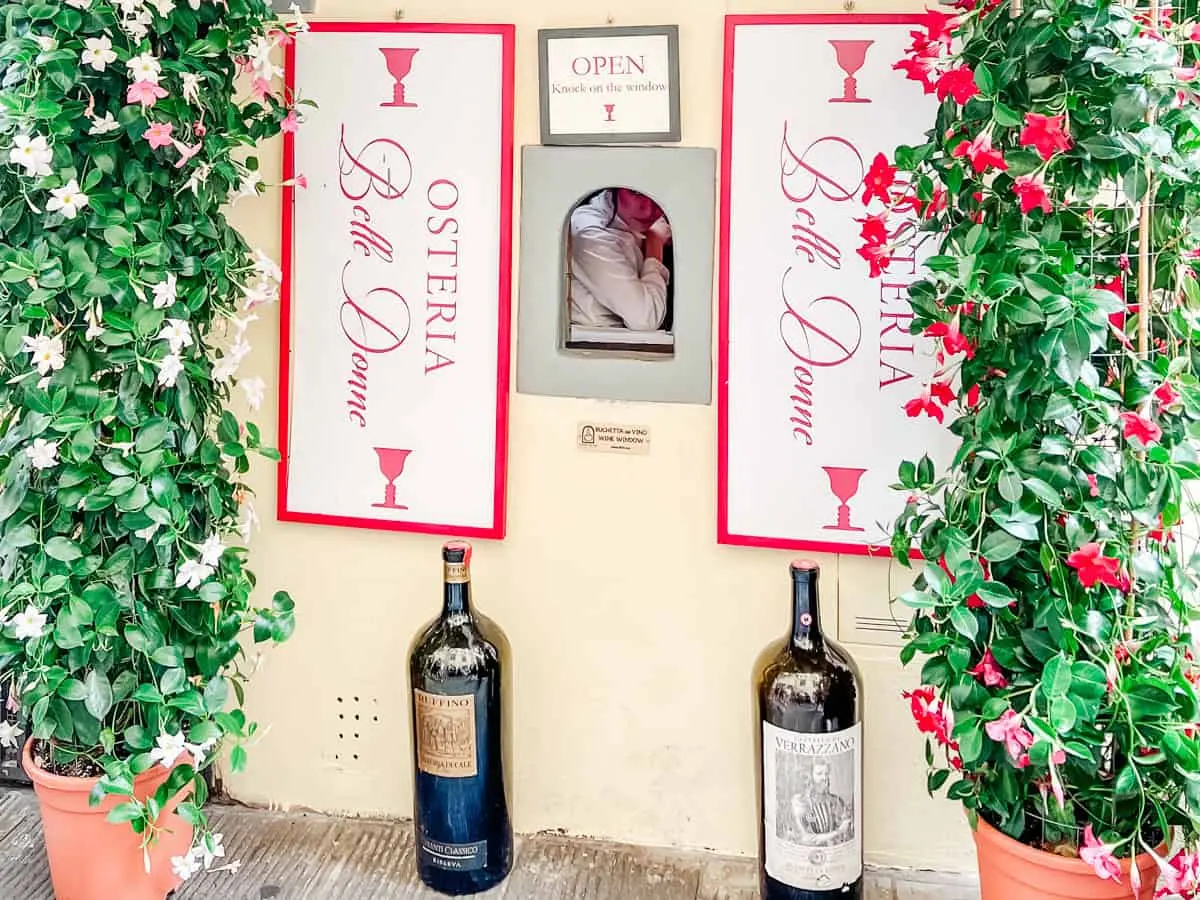
Scattered across Florence's historic centre and the Oltrarno neighbourhood south of the river are small arched wooden doors set into the walls of medieval palaces at knee height — roughly the size of a letterbox. These are the buchette del vino, or wine windows, and they date from the 1500s when Duke Cosimo I allowed Florentine noble families to sell wine from their city palaces tax-free, passing bottles through these tiny apertures to customers in the street.
There are more than 180 documented wine windows in Florence, though most are now sealed. A handful are very much back in use — and ordering a glass of wine passed to you through a hole in a 500-year-old wall is one of those experiences that stays with you.
How it works: look for a menu posted on the wall below the window. Ring the bell or knock on the wooden door. A glass appears. Some places serve in real glasses (return when you're done), others use paper cups for takeaway. Most serve house Tuscan wines, some also do prosecco, cocktails and in at least one case, gelato.
The best active wine windows to look for:
| Wine window | Location | Note |
|---|---|---|
| Babae | Via Santa Monaca, Oltrarno | First wine window to reopen in 2019 — the one that started the revival |
| Cantina dei Pucci | Palazzo Pucci, near the Duomo | One of the most photographed — extensive wine list by the glass |
| Osteria De' Bardi | Via de' Bardi, Oltrarno | Newest active window, officially recognised January 2025 — Chianti, prosecco and cocktails |
The Santo Spirito neighbourhood has the highest concentration of wine windows in the city and is a lovely area to wander in the early evening. The Oltrarno in general — the south side of the Arno — feels a different pace to the tourist-heavy centro storico and is worth an afternoon of your time.
This article has a good summary of some wine windows and where to find them.
5. Boboli Gardens — the garden, not the palace
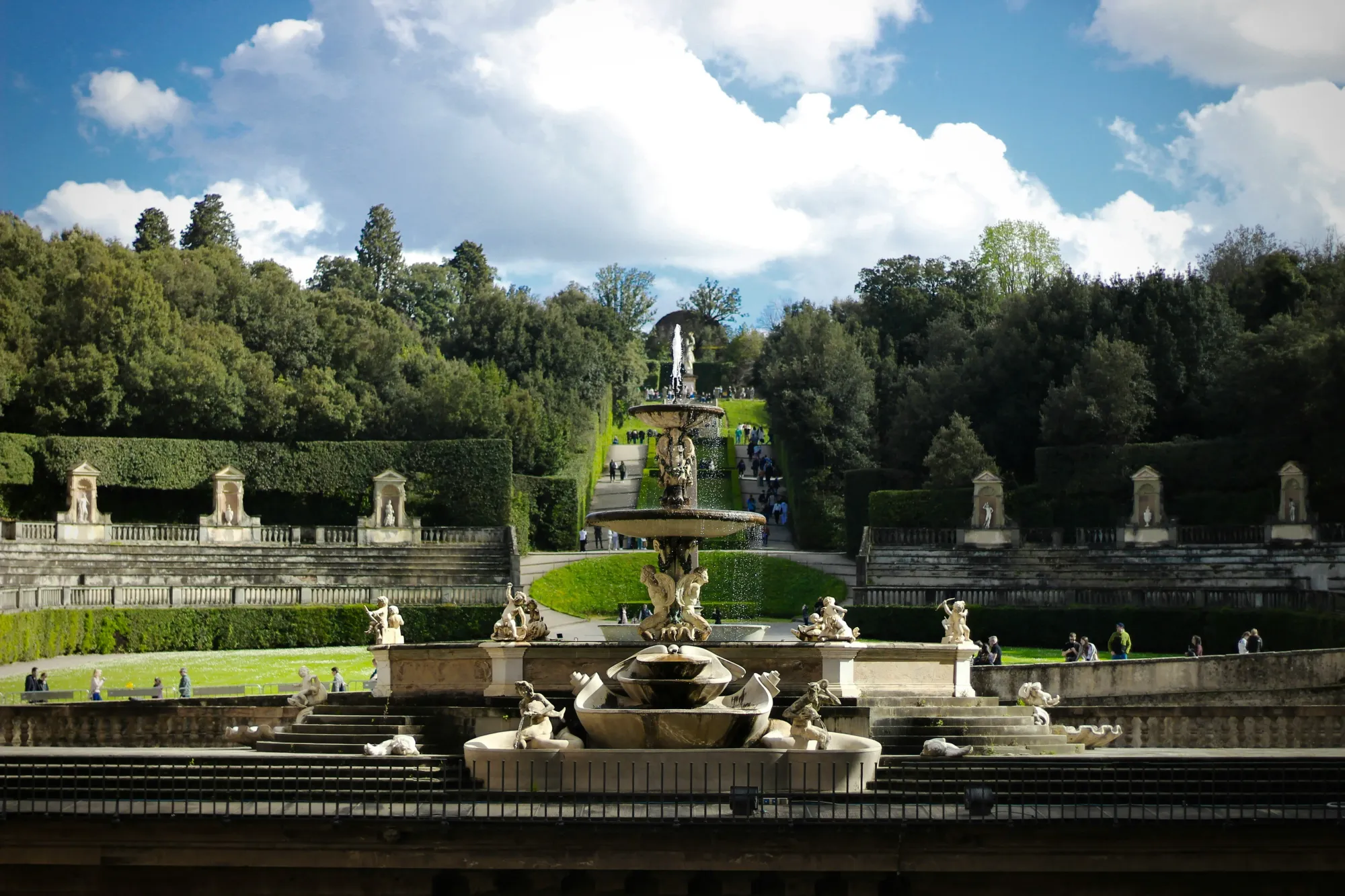
The Boboli Gardens behind Palazzo Pitti are one of the finest Renaissance gardens in Italy, and on a hot afternoon they offer something the rest of Florence cannot: shade, space and quiet
The gardens rise steeply up the hillside behind the palace, with fountains, grottos, cypress avenues and open terraces offering views back over the city. At the top, the views over the Florentine rooftops are superb. Allow at least an hour, more if you want to get up to the higher terraces.
Entry costs €10 and is included in the Uffizi PassePartout 5-day ticket which is a cheaper option if you are going to visit the Uffizi, Pitti Palace and the Boboli Gardens, over a few days. In total it costs €40, or €58 if you add on the Vasari Corridor too.
6. The medieval streets around Dante's Corner
Most visitors experience Florence along a fairly predictable triangle — the Duomo, the Uffizi, the Ponte Vecchio. Step one street back from any of these and the city changes completely.
The streets around the medieval quarter near Casa di Dante — the area between the Bargello and the Badia Fiorentina — are some of the oldest and most atmospheric in Florence, narrow enough that the upper floors of buildings almost touch overhead.
Dante Alighieri was born here around 1265 and spent his early life in these streets. Casa di Dante is a small museum dedicated to his life and times — worth an hour if you're interested in medieval Florence. But even without going inside, simply wandering this area gives you a sense of the city as it was before the Renaissance projects that made it famous.
There are several tour companies offering guided evening walks through this neighbourhood, which genuinely does feel different at dusk when the day visitors have gone.
7. The self-portrait hidden in Perseus
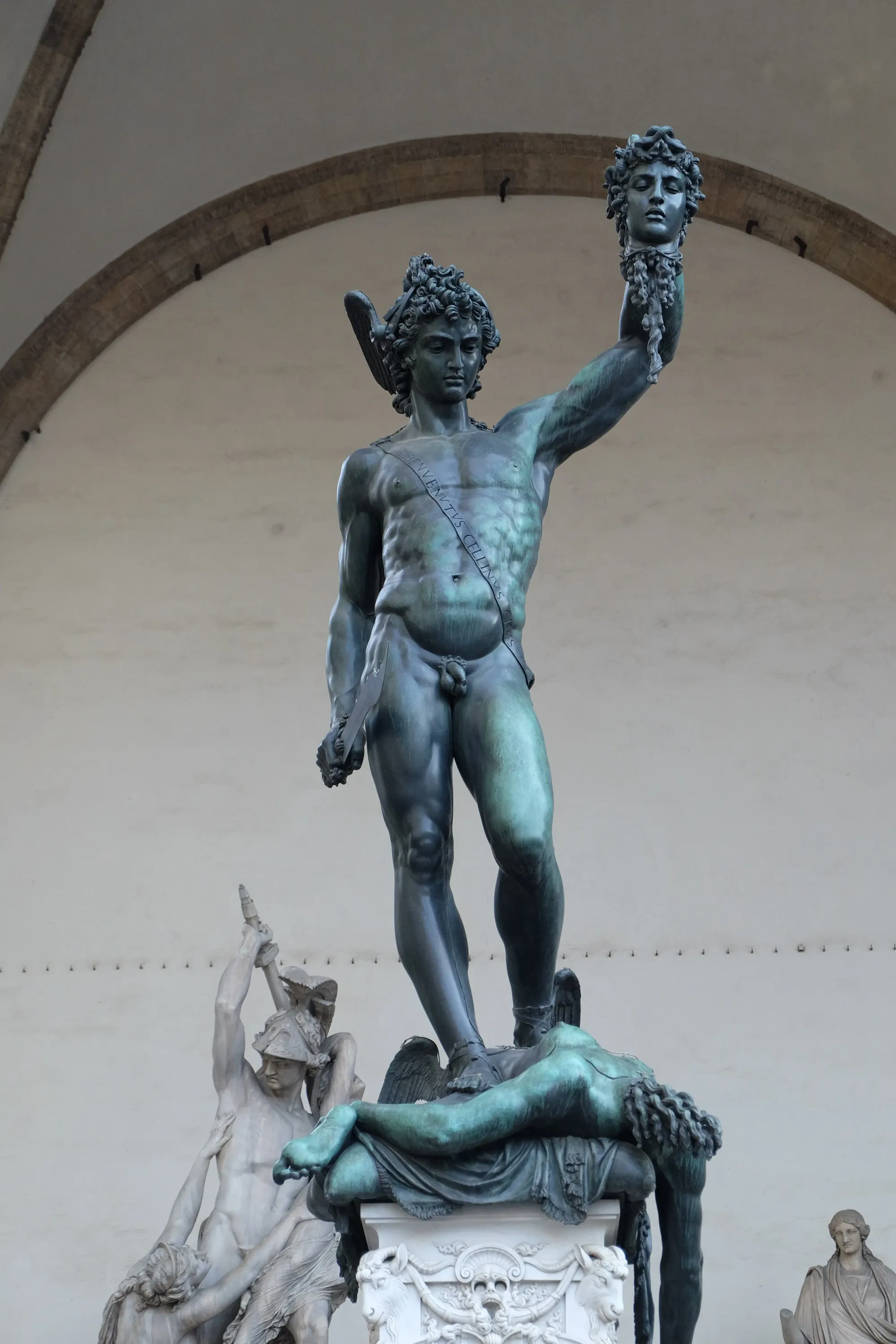
The Loggia dei Lanzi is an open-air sculpture gallery right next to the Uffizi, free to enter and sometimes missed by visitors queuing for the gallery. Among the statues inside is Benvenuto Cellini's Perseus Holding the Head of Medusa — one of the great Renaissance bronzes, cast in 1545.
Walk around to the back of Perseus's helmet and look closely. Carved into the metal is a face — a self-portrait of Cellini himself, hidden where he knew only the most attentive visitors would ever find it. It's a typically Renaissance act of artistic ego, smuggled into a public monument under the noses of his patrons. The Loggia is open at all hours, costs nothing and takes five minutes. It's one of those stops that rewards you far beyond the effort involved.
8. Farmacia di Santa Maria Novella — the world's oldest pharmacy
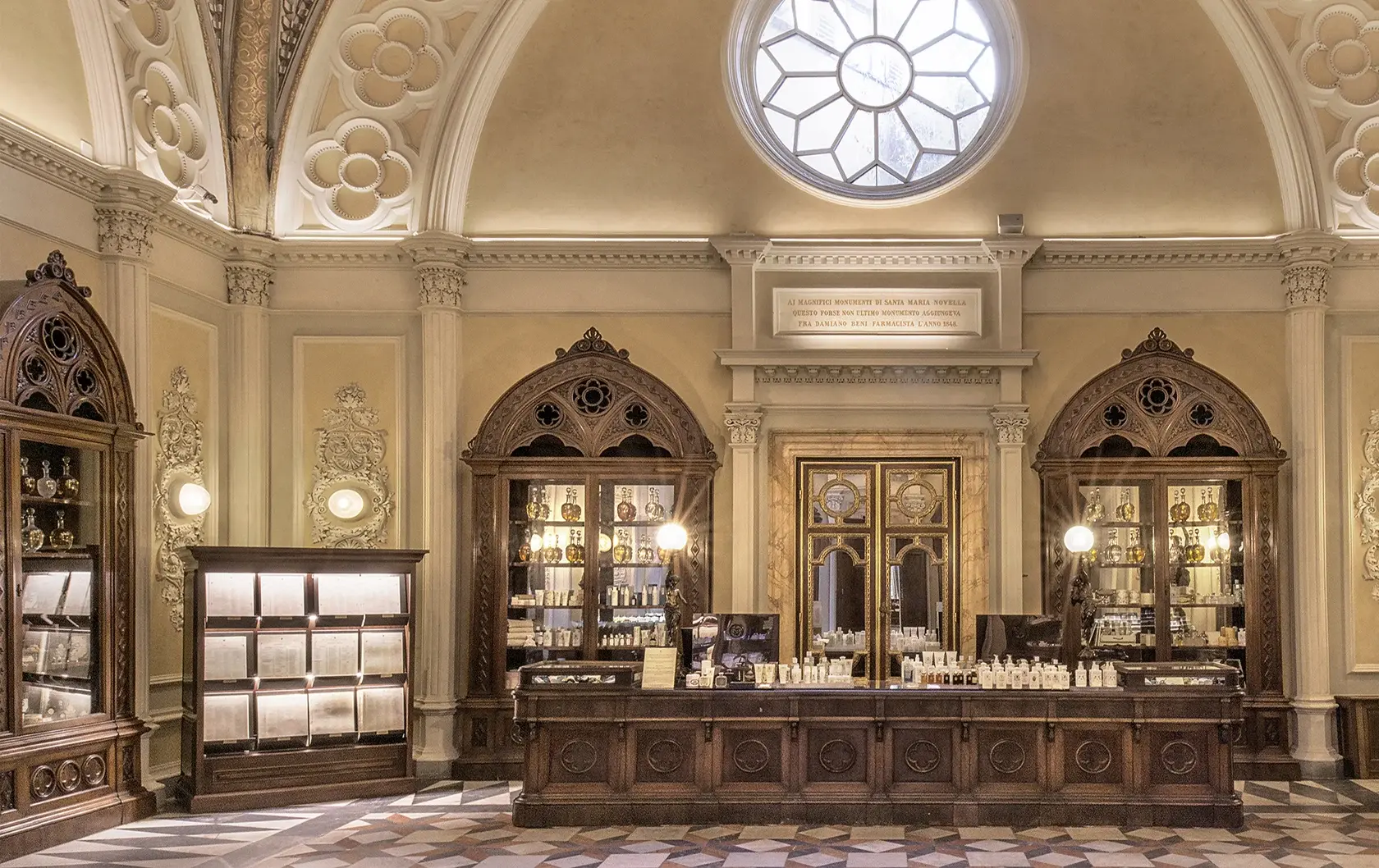
On Via della Scala, a short walk from Santa Maria Novella station, is a building that most visitors walk straight past. Step through the door and you'll find yourself in what is possibly the most beautiful shop in Florence — and one of the oldest pharmacies in the world.
The Farmacia di Santa Maria Novella was founded by Dominican friars in the 13th century, who began producing herbal preparations, medicines and perfumes from their convent garden. The original pharmacy has been operating continuously ever since, and the interior is extraordinary: vaulted frescoed ceilings, hand-carved wooden cabinets, glass cases displaying perfumes and herbal preparations in bottles that look like museum pieces. Everything sold here is still made from recipes that in some cases date back 800 years — rosewater, herbal tinctures, pomades, soaps and some genuinely beautiful fragrances.
Entry is free and you're under no obligation to buy anything, though it's hard to leave empty-handed. It's right on the way from the station to the historic centre, which makes it an ideal first or last stop of the day.
9. Teatro del Maggio Musicale Fiorentino — opera and orchestral music in a world-class venue
Florence is often considered the birthplace of opera — the very first operas were performed here in the late 16th century by a group of Florentine intellectuals trying to recreate ancient Greek theatre. It seems right, then, that the city is home to one of Europe's most important opera houses.
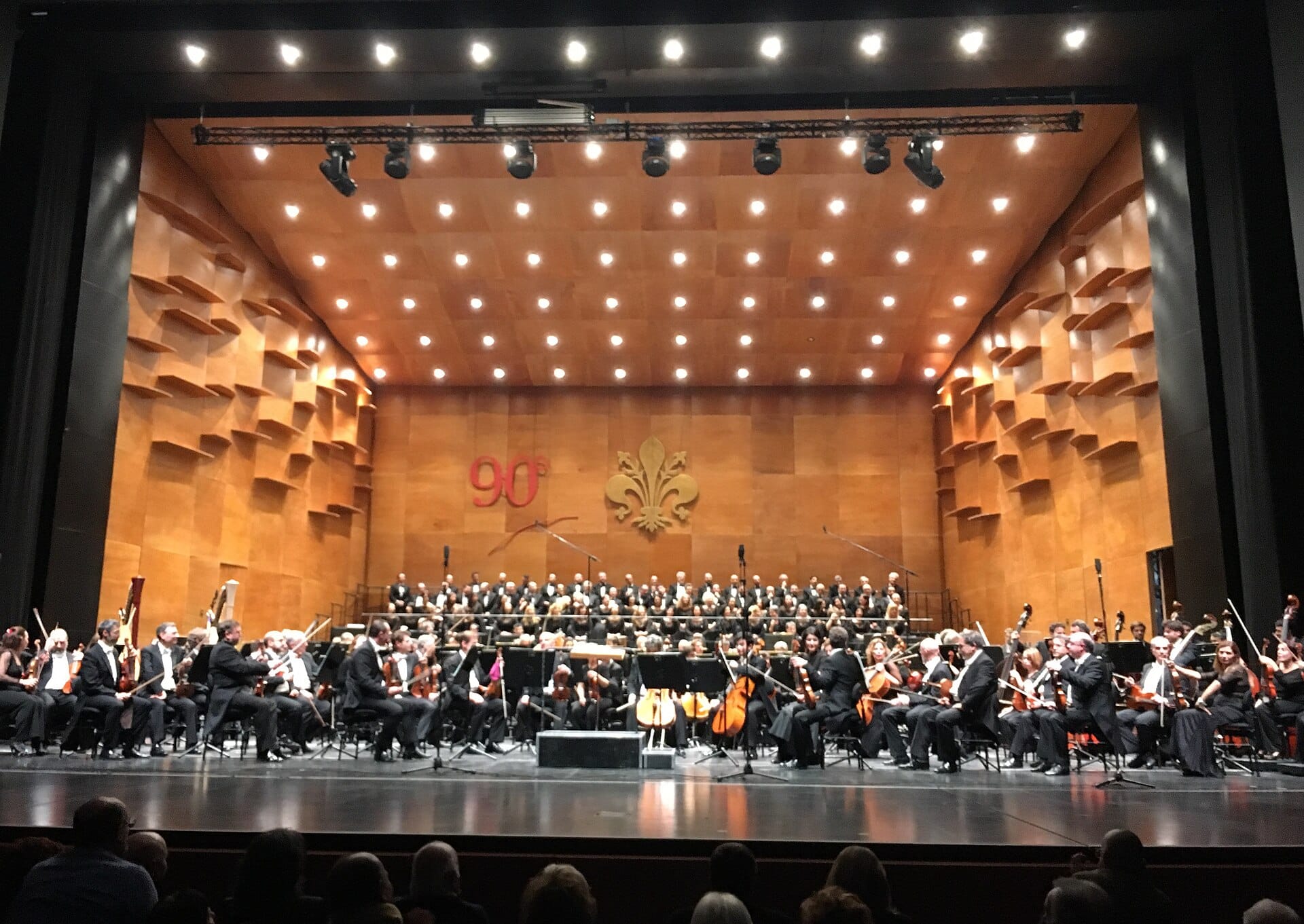
The Teatro del Maggio Musicale Fiorentino is a striking modern building completed in 2014, sitting at the edge of the Parco delle Cascine just outside the historic centre. It houses a 1,800-seat main opera theatre and a 1,000-seat symphony hall named after conductor Zubin Mehta.. The resident orchestra and chorus are among the finest in Italy, and the annual Maggio Musicale festival — running from April to June — is one of the oldest and most prestigious music festivals in Europe, alongside Salzburg and Bayreuth.
Performances run year-round, not just during the festival. If you're spending more than a night or two in Florence and have any interest in classical music, checking the programme before you go is worth five minutes of your time.
| Address | Piazzale Vittorio Gui 1, Florence |
| Tickets | Book via maggiofiorentino.com |
| Getting there from the centre | 10–15 minutes on foot from Santa Maria Novella station, or one stop on the tram. The theatre is just outside the restricted traffic zone so easy to reach by taxi too |
The Uffizi PassePartout 5 Days ticket - is it worth it?
The Uffizi PassePartout 5 Days ticket is generally worth it if you plan to visit all three main sites—Uffizi Gallery, Pitti Palace, and Boboli Gardens. The pass costs about €40, or around €58 if you include the Vasari Corridor, and it gives you five consecutive days to spread out your visits rather than rushing everything in one day.
If you bought these tickets separately they would cost €51 (without the Vasari Corridor) or €69 (with the Vasari Corridor).
Vineyard and pasta-making tour in the Tuscan countryside
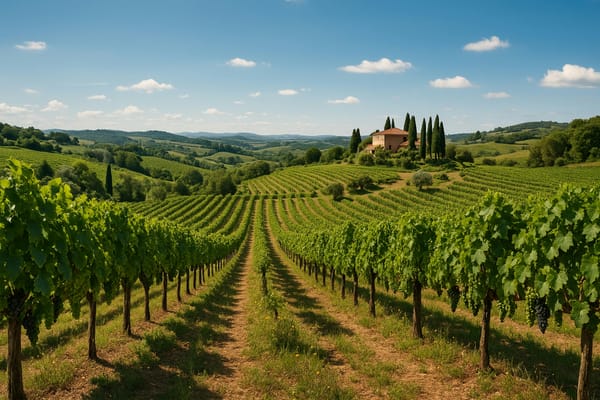
If you have a free day and want to get out of the city into the Tuscan countryside, this is the trip I'd recommend: a small-group tour combining a Chianti vineyard visit with a pasta-making class in a working farmhouse. You're in the hills above Florence within 30 minutes, and the combination of hands-on cooking and proper wine tasting makes for a genuinely memorable day rather than just another coach trip.
Book via GetYourGuide — it typically runs at around €80–100 per person and includes transport from the city centre, the pasta class, wine tasting and lunch.
A food and wine tour in the city
If you'd prefer a culinary experience within the city, I'd also recommend this Food & Wine Tour which I did on my last trip to Florence. The food was plentiful and the wine good. But the guide was excellent, and was able to explain the cultural significance behind each Florentine dish. The variety of dishes was amazing from visiting a bakery, patisserie, food market, restaurant and ice cream shop.
Getting to Florence
Florence Santa Maria Novella is one of Italy's best-connected stations — direct Frecciarossa services from Rome take around 1 hour 30 minutes, from Milan around 2 hours, from Venice around 2 hours 15 minutes. The historic centre is 10 minutes on foot from the station.
For a broader look at how Italy's train network connects Florence to the rest of the country, see our Italy train network guide. And if you're planning a multi-city trip, our guide to planning your Italy by train itinerary covers how to structure a route that includes Florence without feeling rushed.
Frequently Asked Questions — hidden gems in Florence
What are the best free things to do in Florence?
The exterior of the Duomo and Baptistery, the medieval streets around Dante's Corner, the flood marks on the buildings throughout the city, and wandering the Oltrarno neighbourhood looking for wine windows are all completely free. The upstairs food hall at Mercato Centrale has free entry — you pay only for what you eat.
Is the Vasari Corridor worth the money?
Yes — if you have any interest in Renaissance Florence, this is one of the most extraordinary things you can do in the city. The views over the Ponte Vecchio from inside the corridor are genuinely unlike anything else. The total cost (Uffizi ticket plus €47 corridor supplement) is substantial, but it covers a full day including the Uffizi itself. Book well in advance as the 25-person limit means slots fill up fast.
What is the 1966 flood mark in Florence?
On 4 November 1966, the Arno burst its banks and floodwater reached depths of up to six metres in parts of Florence, causing catastrophic damage to the city's art and architecture. High-water marks — lines chiselled or painted on walls — can be found throughout the historic centre showing exactly where the water reached. In many places the marks are at head height or above, which makes the scale of the disaster immediately comprehensible in a way that photographs alone cannot convey.
What day trips can I do from Florence?
Florence makes an ideal base for exploring beyond the city, with a remarkable range of destinations within easy reach. From medieval hill towns to elegant walled cities, much of Tuscany — and beyond — can be discovered in a single day. If you’re travelling without a car, guide to day trips from Florence by train highlights places such as Siena, Lucca, Arezzo, and several others, all easily accessible by rail.