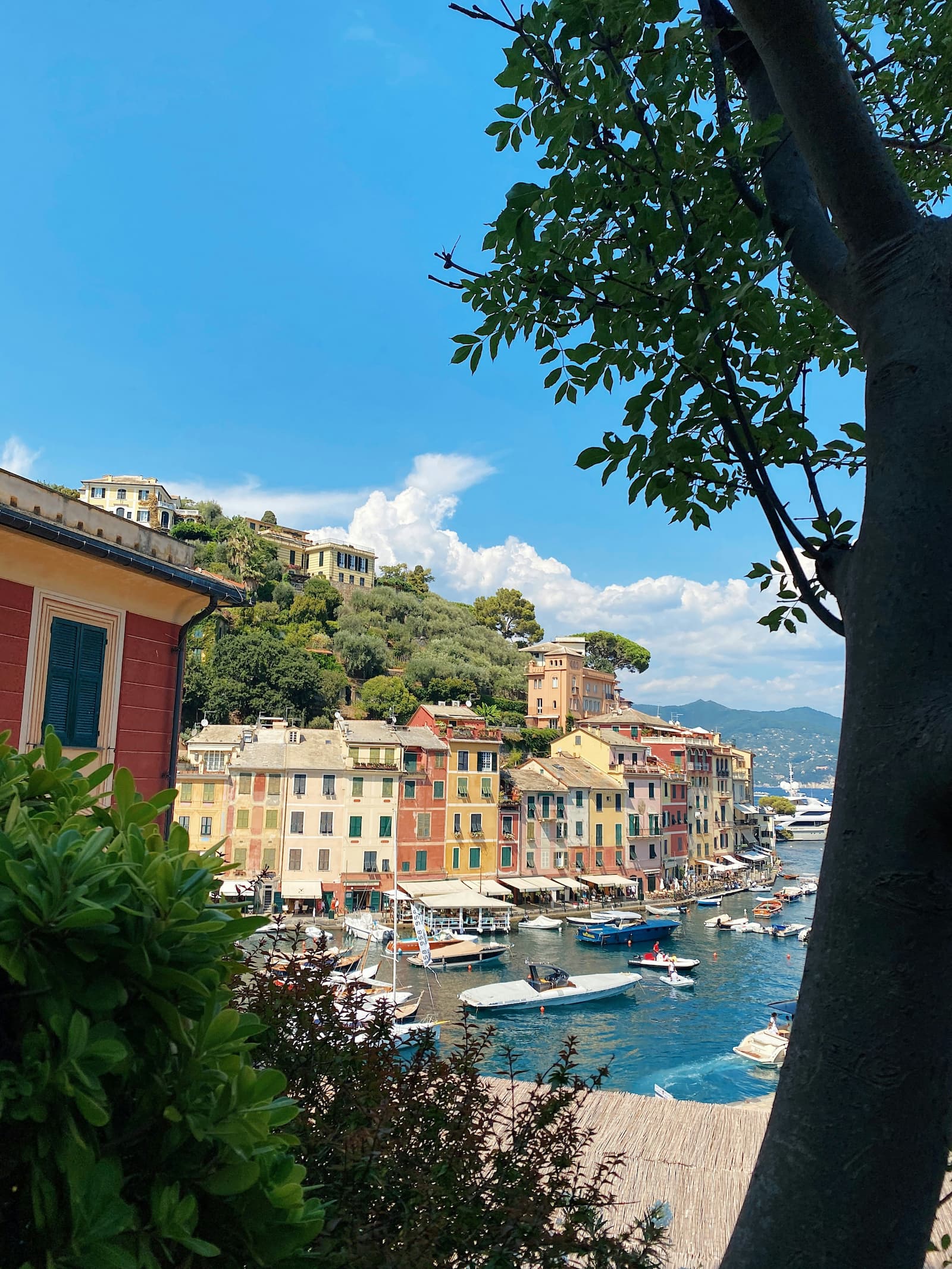
Within an hour of Rome you can find yourself exploring ancient ruins, wandering hilltop towns or relaxing beside a volcanic lake — all by train, no hire car required.
Last verified: April 2026. Prices and transport details can change. Always check official sources before travelling.
| Destination | Travel Time | Best For | Cost |
|---|---|---|---|
| Ostia Antica | 30–40 mins | Roman ruins | €18 entry + €3 train |
| Frascati | 30 mins | Wine & food | €6 train |
| Tivoli — Villa d'Este | 45 mins | Gardens & villas | €15 entry + €10 train |
| Tivoli — Hadrian's Villa | 45 mins | Ancient villas | €8 entry + €10 train |
| Castel Gandolfo | 40 mins | Lake views | €12 entry + €10 train |
| Orvieto | 1 hour | Hilltop town | €20 train + €2.60 funicular |
The best day trips from Rome by train take under an hour and cost as little as €2 — Ostia Antica, Frascati, Tivoli, Castel Gandolfo and Orvieto each offer something completely different from the city, and none of them require a hire car.
Spending a few days in Rome can feel like stepping into a living museum. Everywhere you turn there are layers of history — the Colosseum, the Pantheon, and piazzas where life seems to unfold much as it has for centuries. But after a few days, many travellers feel the urge to step outside the rhythm of the city and discover what lies beyond its historic walls.
Within an hour you can find yourself exploring ancient ruins beneath umbrella pines, wandering through hilltop towns overlooking vineyards, or relaxing beside a peaceful volcanic lake. These day trips from Rome reveal another side of Italy — slower, quieter and deeply connected to local life.
Whether you have a few hours or a full day to spare, these destinations are easy to reach from Rome by train and offer a refreshing contrast to the energy of the capital.
However, if you want to stay within the confines of the city of Rome due to having limited time, then take a look at my hidden gems in Rome article for other places beyond the tourist trail.
1. Ostia Antica — Rome's Remarkably Preserved Ancient Port
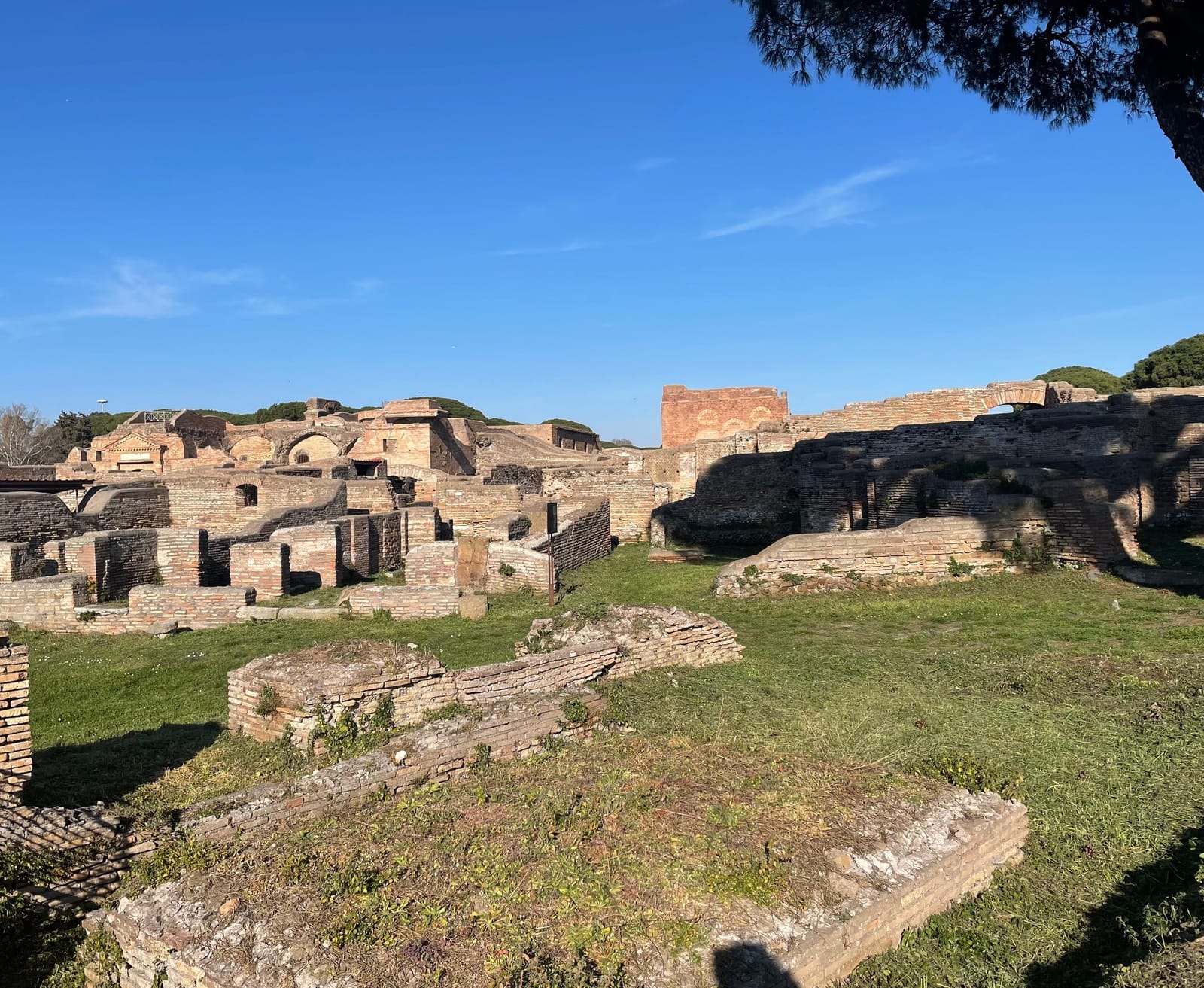
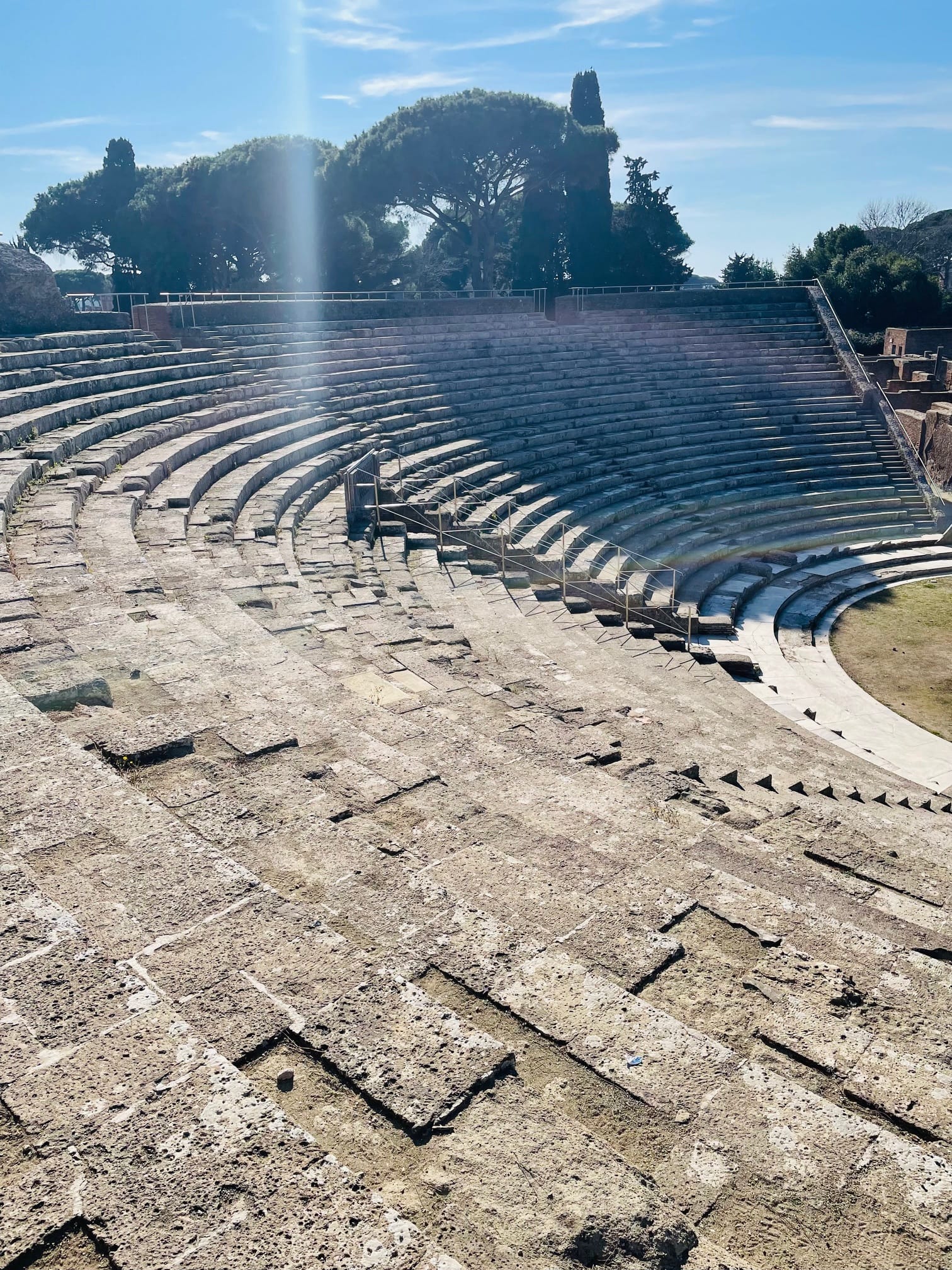
Just thirty minutes from the city, Ostia Antica is one of the most fascinating and underrated day trips from Rome. Once the main harbour of ancient Rome, the site today reveals what everyday life looked like in a Roman port city. Streets, apartment buildings, bathhouses and bakeries still stand, giving a vivid sense of how people once lived, worked and socialised here.
When I visited, long stretches of ancient streets were almost empty, making it easy to imagine the rhythms of daily life that once filled them. Many visitors travel south to see Pompeii or Herculaneum, but Ostia Antica offers a similarly intimate experience in a fraction of the time and at a fraction of the travel cost.
| Travel time | 30–40 minutes |
| Route | Metro Line B to Piramide → Roma–Lido train to Ostia Antica stop |
| Entry cost | €18 — free on the first Sunday of the month |
| Opening hours | Tuesday–Sunday, 9am–dusk. Closed Mondays |
| Time needed | 3–4 hours |
| Best visited | Early morning or late afternoon | Where to buy tickets | Ostia Antica web site |
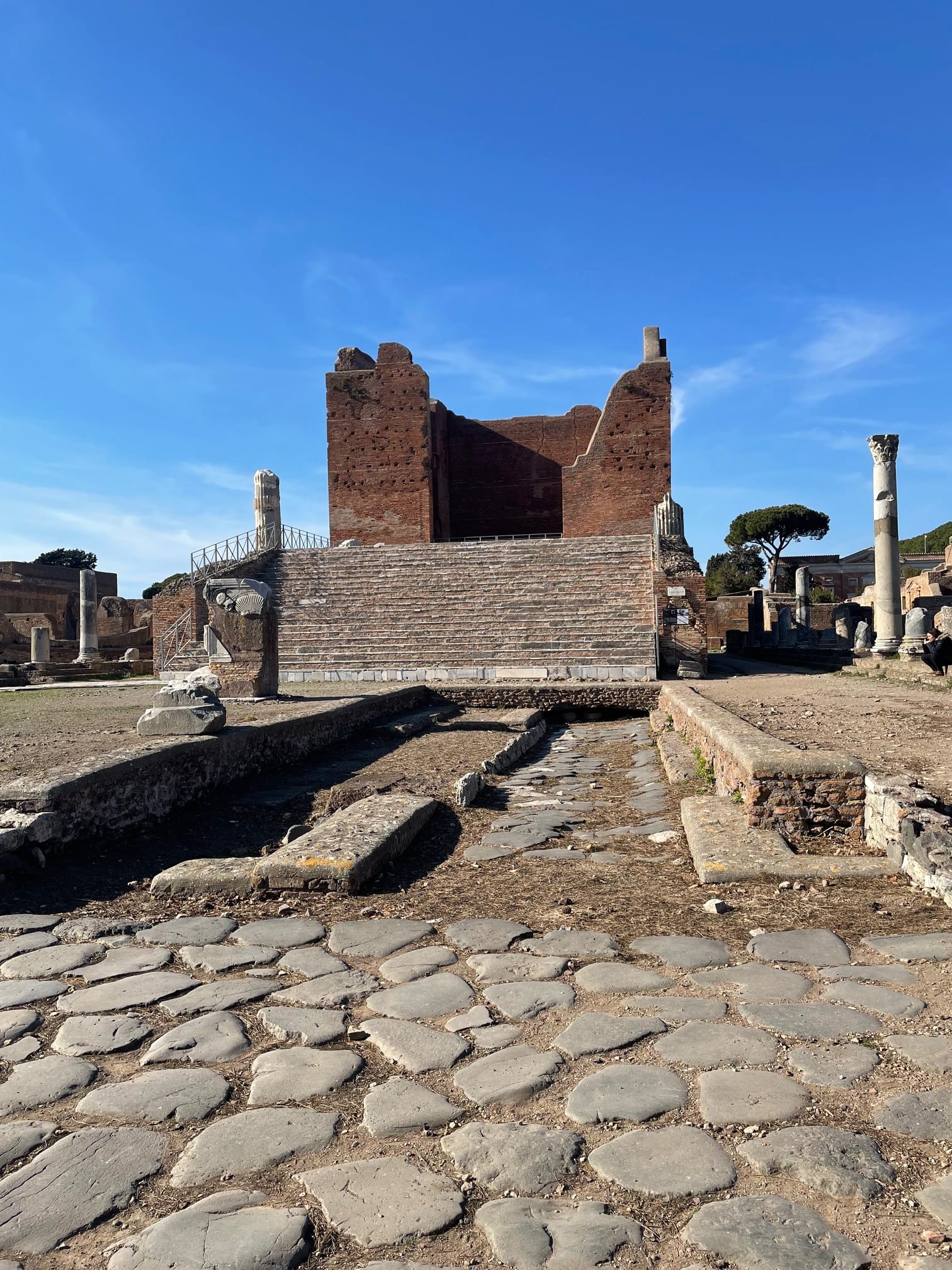
What makes it special
- Remarkably well preserved — streets, buildings and mosaics still clearly visible
- Far fewer crowds than the Colosseum or Roman Forum
- A beautiful setting surrounded by umbrella pines
- Audio guide available on site for extra context
2. Frascati — A Perfect Day Trip for Wine and Food
Located in the Castelli Romani hills, Frascati feels very different from the busy centre of the capital. Small cafés line the main square, local life moves at an unhurried pace, and views open out across the countryside towards Rome in the distance.
The town is famous for its crisp white Frascati wine and for porchetta — the slow-roasted pork seasoned with herbs that is a speciality throughout this region.
I suggest taking a walk in the Villa Torlonia park, before wandering into the town. It's a really pleasant place to while away a couple of hours.
One tip, when taking the train from Rome Termini to Frascati. I suggest that you arrive at least 10 minutes before your train, as the platforms for Frascati are at the far end of Termini station, at the end of the other platforms. It is easy enough to find, but you just need to make sure you leave enough time.
| Travel time | 30 minutes |
| Route | Regional train from Roma Termini |
| Entry cost | Free to visit the town |
| Time needed | Half day |
| Best visited | Weekend lunchtime for the liveliest atmosphere |
| Good for | Food lovers, wine tasting, a slower pace |
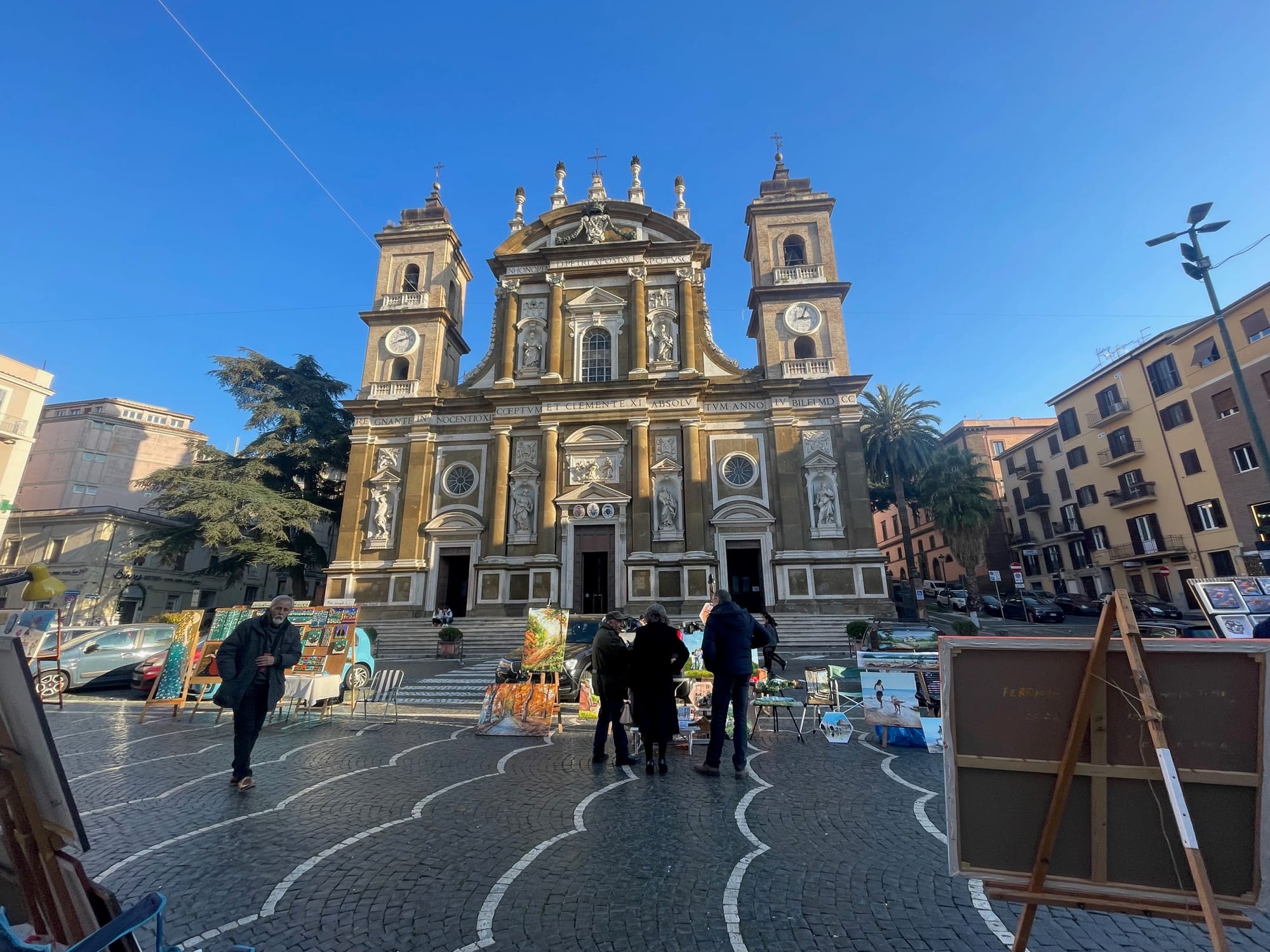
What makes it special
- One of the easiest and cheapest day trips from Rome — just 30 minutes by train
- Famous white wine from the surrounding Castelli Romani vineyards
- Elegant historic villas and gardens built as aristocratic summer retreats
- Panoramic views across the countryside toward Rome
Food and drink tours
There are excellent food and drink tour options available in Frascati, often at prices much lower than similar experiences in Rome — from pasta-making classes to wine tasting and vineyard tours. I personally did a pasta making and wine tasting evening in Frascati which was both enjoyable and great value. It also works well for solo travellers as single bookings are accepted.
3. Tivoli — Renaissance Gardens and Villa
Two remarkable UNESCO World Heritage sites make Tivoli one of the most rewarding places to visit near Rome. The first is Villa d'Este, famous for its spectacular Renaissance gardens. Terraces cascade down the hillside, filled with fountains, water features and shaded pathways that make it a beautiful place to wander. Villa D'Este is easy to reach from Rome Termini railway station, as it is a short walk from Tivoli railway station
Not far away lies Hadrian's Villa, the vast imperial retreat built by Emperor Hadrian in the 2nd century. The ruins stretch across a large landscape of pools, palaces, theatres and baths, offering a glimpse into the scale of Roman imperial life.
Honestly, the easiest route to get to Hadrian's Villa is actually the bus. Take Rome's Metro Line B to Ponte Mammolo and then take the Cotral bus to Tivoli which cost around €2. Get off at Villa Adriana. You can buy tickets at the vending machines on the top floor of Ponte Mammolo station - Tivoli is in zone 2.
Allow 2 hours for Villa d'Este and 2–3 hours for Hadrian's Villa if visiting both in a day
| Travel time | 45 minutes |
| Route | Bus or regional train from Roma Termini |
| Entry cost | Villa d'Este €15 — Hadrian's Villa €15 |
| Time needed | Full day to visit both sites |
| Best visited | Spring and early summer when gardens are at their best |
| Good for | History, architecture, photography | Where to buy tickets | Tivoli — Villa web site |
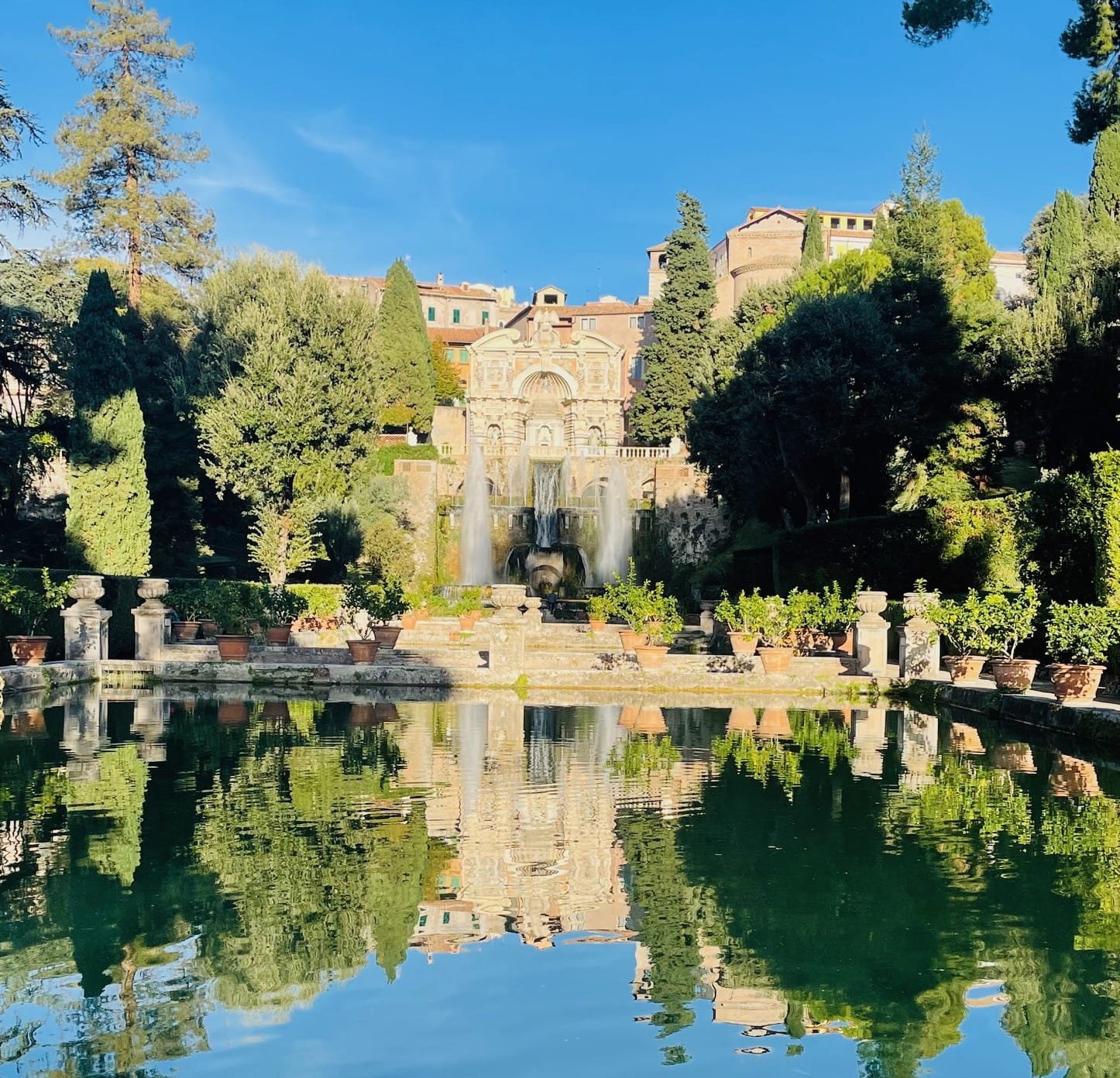
What makes it special
- Two UNESCO World Heritage Sites - although they are 5 kilometres apart, so you'll need to take a bus or taxi if you want to visit both in one day
- Villa d'Este's gardens are among the most beautiful in Italy
- Hadrian's Villa rivals Pompeii in scale but receives far fewer visitors
- The hilltop town of Tivoli itself is worth exploring for lunch
4. Castel Gandolfo — The Pope's Summer Residence
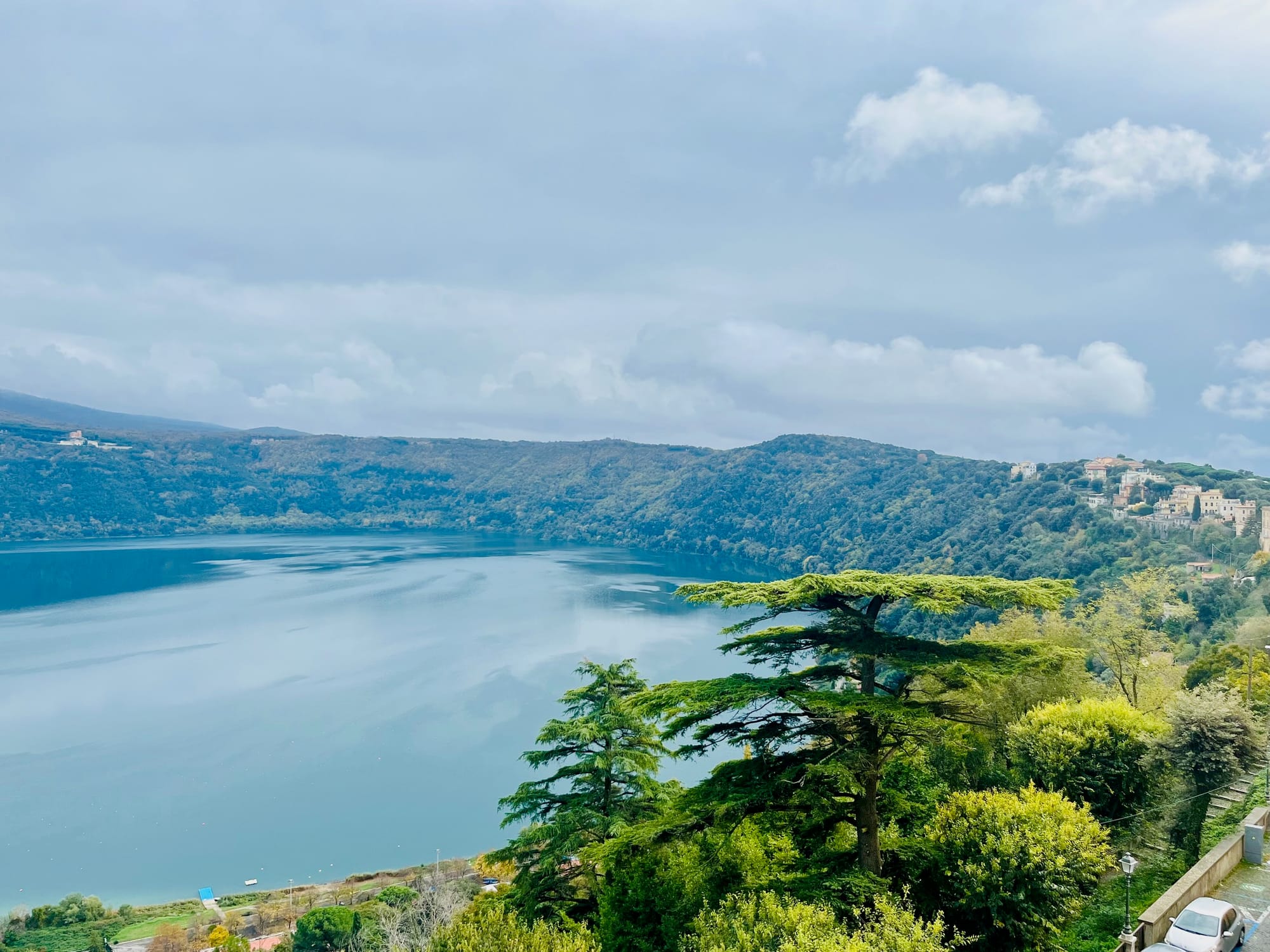
South of Rome, the small town of Castel Gandolfo sits high above the deep blue waters of Lake Albano. For centuries this town has been known as the location of the Pope's summer residence, the Papal Palace of Castel Gandolfo. Today visitors can explore parts of the palace and its beautiful gardens, which offer sweeping views across the lake and surrounding countryside.
The real charm of Castel Gandolfo lies in its slower rhythm. The streets are quiet, the views are expansive, and the lakeside restaurants offer a perfect place to linger over lunch while looking out across the water.
Don't miss the small cafe in Castel Gandolfo, which has a wonderful terrace that overlooks Castel Gandolfo. It's really worth taking a half an hour pit stop to enjoy the view. There is also a curious restaurant called Arte e Vino that has a passageway under the main street - with restaurant entrances on both sides. The food was acceptable, but worth a visit just for the curiousity.
One thing that is important to be aware of - is that Castel Gandolfo is normally only open 9am - 2.30pm, with last admission at 1pm during the week, with longer hours on the weekend. When you buy tickets to Castel Gandfolo, the web site can be a bit confuding. It is the "Palazzo Papale - Biglietti d'ingresso" that you need to buy.
I advise you to get to Rome Termini station early to take the train to Castel Gandolfo, as the platform is a 5-10 minute walk from the main concourse.
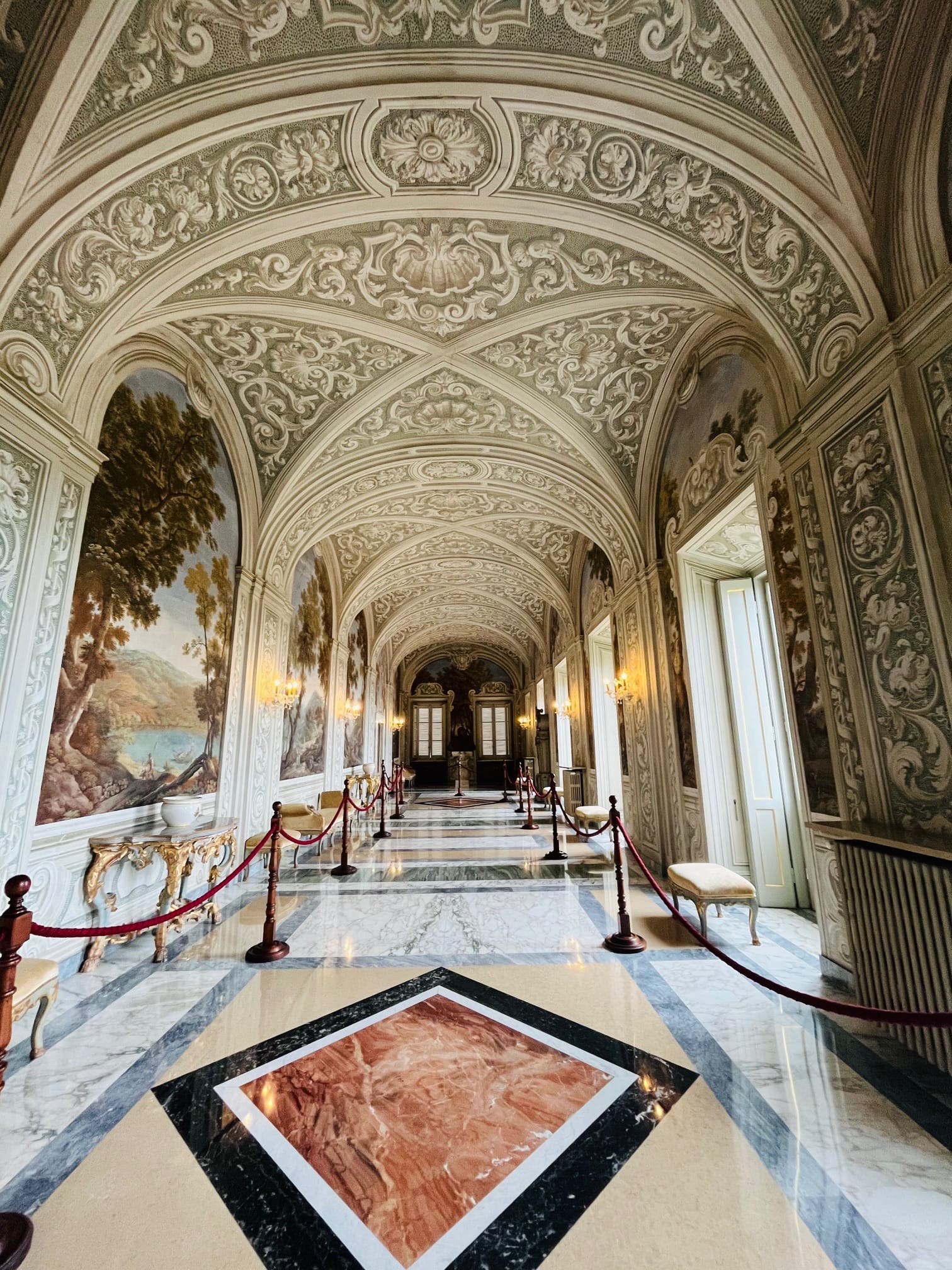
| Travel time | 40 minutes |
| Route | Regional train from Roma Termini |
| Entry cost | Free to walk the town — papal gardens and house €12 |
| Time needed | Half day |
| Best visited | Late morning — time for a lakeside lunch |
| Good for | Peaceful atmosphere, lake views, quiet streets |
| Where to buy tickets | Castel Gandolfo web site |
What makes it special
- One of the quietest and most relaxed day trips from Rome
- Stunning views over Lake Albano from the hilltop town
- The papal gardens are beautifully maintained and rarely crowded
- Excellent restaurants in the town
5. Orvieto — A Dramatic Hilltop City in Umbria
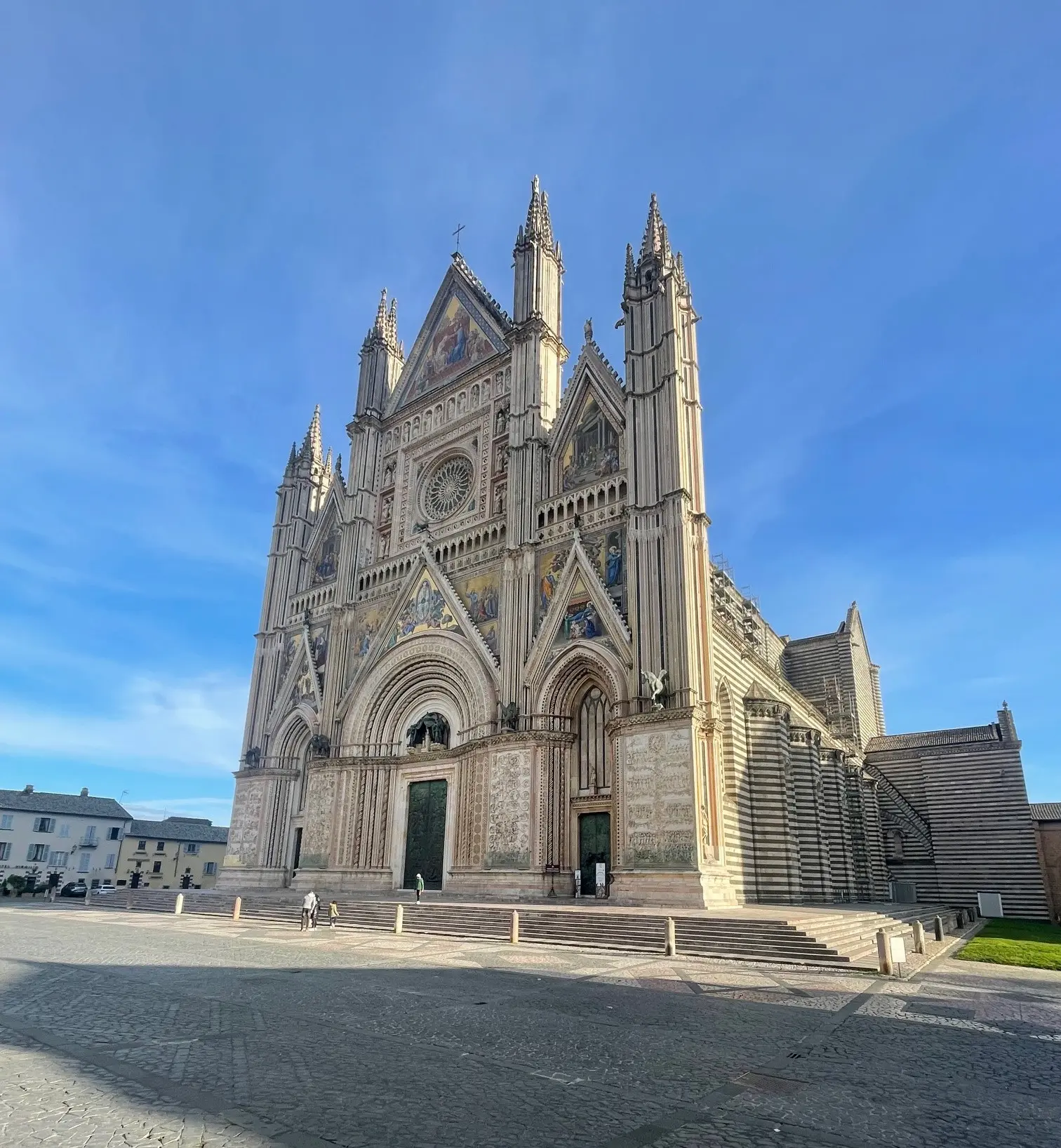
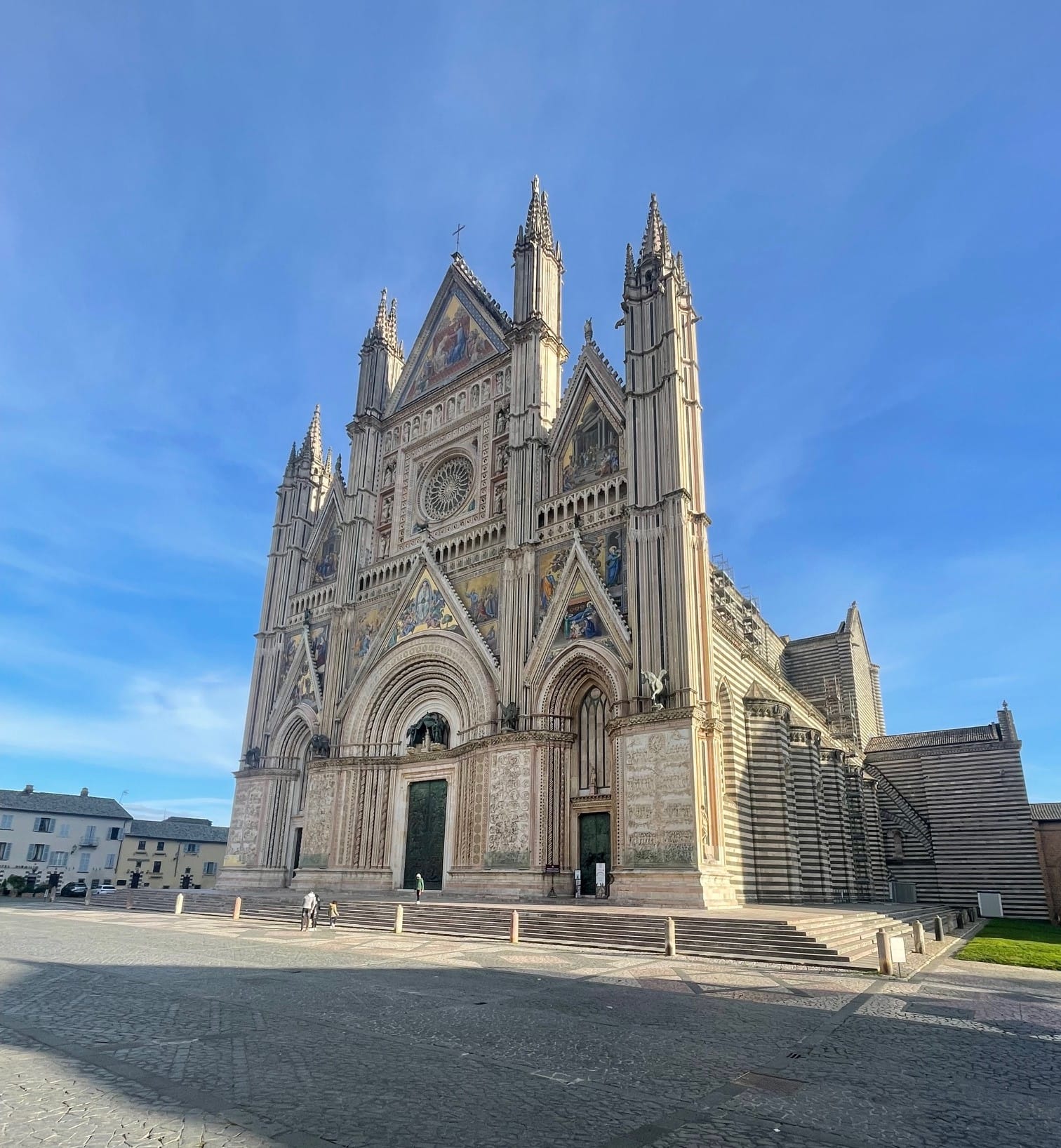
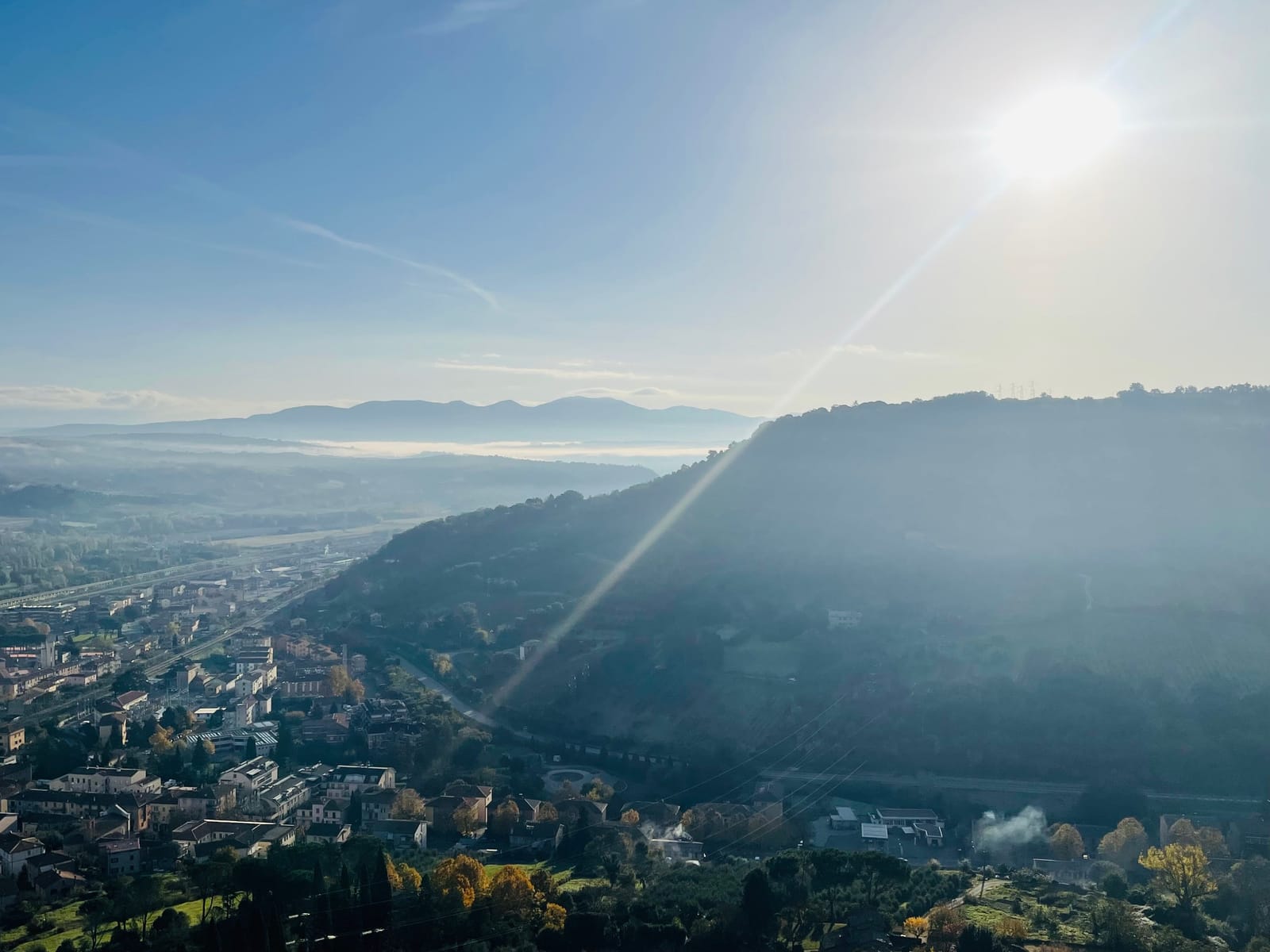
About an hour north of Rome, Orvieto rises from a volcanic plateau above the Umbrian countryside in one of the most dramatic arrivals in central Italy. A funicular carries you from the station up to the medieval centre, where the cathedral facade — covered in gold mosaic and carved marble — is among the finest examples of Italian Gothic architecture anywhere in the country.
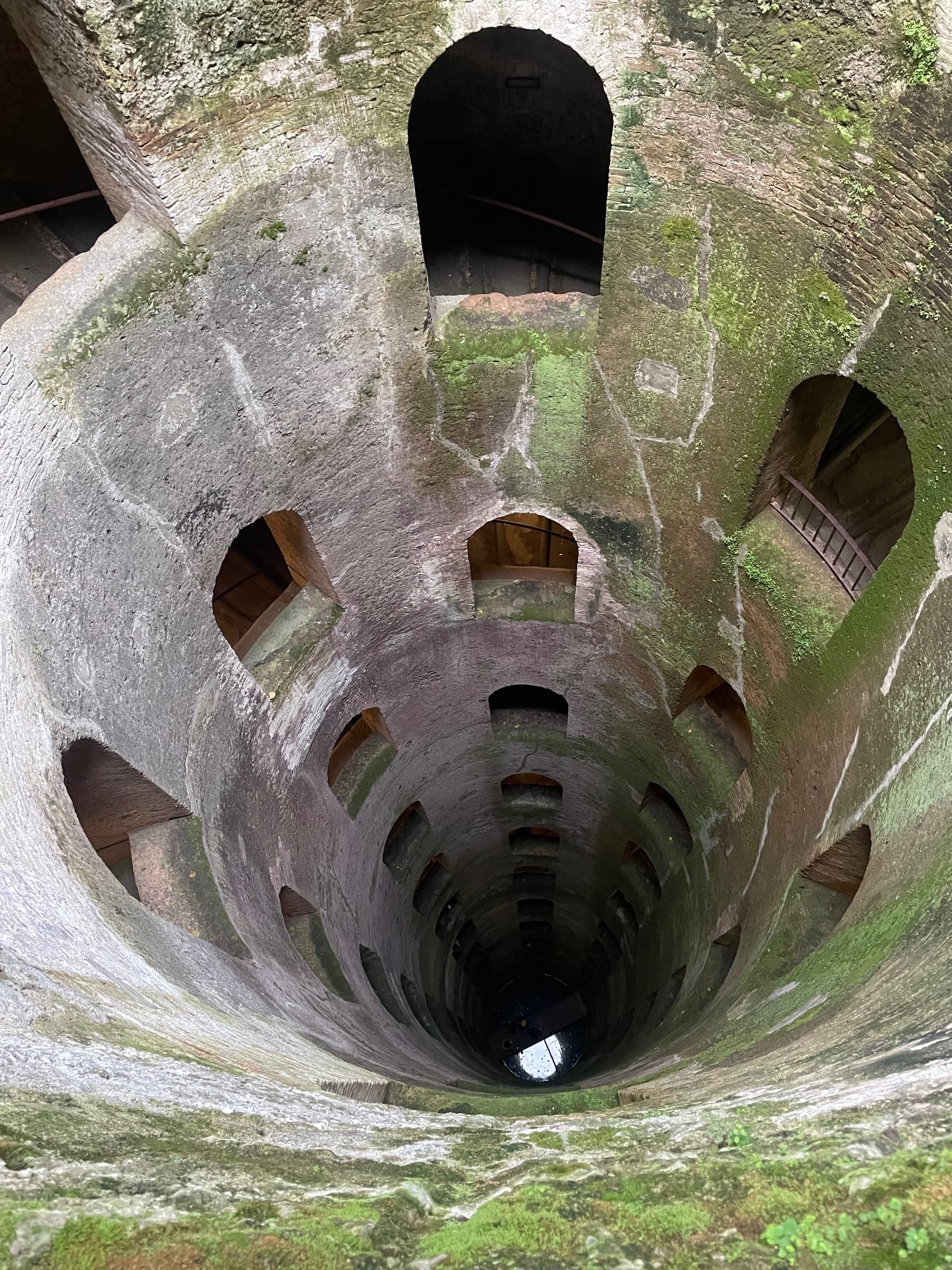
Beyond the cathedral, Orvieto hides a remarkable Renaissance well (the Pozzo di San Patrizio, with its famous double spiral staircase) and over 1,200 caves and tunnels carved into the tufa rock beneath the town, explorable by guided tour.
Orvieto deserves a full day on its own — don't try to combine it with anything else on this list.
For full details on getting there, the funicular, the Carta Unica pass and what to see, read our complete Orvieto day trip guide.
| Travel time | 1 hour |
| Route | Train from Roma Termini → funicular from station to historic centre |
| Entry cost | Cathedral free — Pozzo di San Patrizio €5 |
| Time needed | Full day |
| Best visited | Weekdays to avoid weekend crowds |
| Good for | Medieval architecture, underground history, wine |
What makes it special
- One of the most dramatically situated towns in central Italy
- The funicular ride up from the station is an experience in itself
- The cathedral façade is among the finest examples of Italian Gothic architecture
- The underground well is one of the most unusual historical sights near Rome
How to Plan a Day Trip from Rome by Train
Planning a day trip from Rome is surprisingly simple. Most destinations are served by frequent trains from Roma Termini, with travel times between 30 minutes and one hour.
- Tickets — Regional train tickets cost €2–5 each way and can be bought at any station machine or on the Trenitalia website. No advanced booking is required for most routes - see our Italy Train Network Guide for full details on tickets and validation.
- When to leave — Leaving Rome early in the morning (before 9am) allows enough time to explore and return comfortably in the evening
- Best time of year — Spring (March–May) and autumn (September–November) offer the most pleasant temperatures and the most beautiful countryside
- Summer — Can be very hot, so destinations with shade or water — such as Castel Gandolfo or Tivoli — are especially appealing
How to Combine These Day Trips
Several of these destinations sit close enough together to combine into a single day without feeling rushed — giving you more of the countryside and less time on trains.
Frascati and Castel Gandolfo: Both sit in the Castelli Romani hills south of Rome and are the easiest combination. Take the train to Frascati for lunch and the local porchetta, then a bus connects to Castel Gandolfo in around 30 minutes for an afternoon walk above the lake. The bus leaves from Piazza Marconi and runs once an hour. Return to Rome from Castel Gandolfo by train. A relaxed and very Italian day out.
Ostia Antica and the coast: After exploring the ruins at Ostia Antica, continue on the same Roma–Lido train line to Lido di Ostia — Rome's nearest beach. It takes just a few more stops. Not the most glamorous beach in Italy, but a genuinely local experience and a good way to cool down after a morning among the ruins in summer.
Tivoli — plan a full day: Villa d'Este and Hadrian's Villa are only a few kilometres apart but each deserves 2–3 hours. Arrive early for Hadrian's Villa when it's quietest, have lunch in the town of Tivoli, then visit Villa d'Este in the afternoon when the light on the fountains is at its most beautiful.
Orvieto alone: Orvieto deserves a full day on its own. The journey, the funicular, the cathedral, the underground well and a long lunch with the local Orvieto Classico wine fill a day very naturally. Don't try to combine it with anything else.
Frequently Asked Questions — Day Trips from Rome
What is the best day trip from Rome by train?
Ostia Antica and Tivoli are the most rewarding for history lovers. Frascati is the easiest and cheapest. Orvieto is the most dramatic and worth the slightly longer journey. The best choice depends on what you enjoy most — ruins, gardens, food or hilltop towns.
How much does a day trip from Rome cost?
Regional train tickets cost €2–5 each way. Entry to sites varies — Ostia Antica costs €18, Villa d'Este €15, Hadrian's Villa €15, and the Pozzo di San Patrizio in Orvieto €5. Frascati and Castel Gandolfo are free to visit as towns, with paid entry €12 for the papal house and gardens.
Do I need to book trains in advance for day trips from Rome?
No advance booking is required for regional trains. You can buy tickets at any station machine on the day, or you can use the Trainline app if you prefer digital tickets.
Which day trip from Rome is best for families?
Ostia Antica is excellent for families with older children who enjoy history and open space. Castel Gandolfo suits families who want a relaxed afternoon by the lake. Frascati is easy and low-pressure. Tivoli's Villa d'Este gardens work well with children who enjoy fountains and outdoor spaces.
What is the closest day trip from Rome?
Ostia Antica and Frascati are both reachable in around 30 minutes and are the closest easy day trips from Rome by train. Ostia Antica is particularly convenient as it's served by a commuter line that runs directly from Rome's Metro network.
What should I do if I have limited time in Rome?
If you don't have time to do a day trip from Rome comfortably within your time, then I would suggest you remain in Rome for that day. Take a look at my article on hidden gems in Rome for places that are beyond the normal tourist trail.