Siena is less than 90 minutes from Florence by direct bus — a UNESCO medieval city with one of the great public squares in Europe, a cathedral that rivals Florence's, underground cellar restaurants and the Palio horse race twice a year. Far less visited than it deserves to be.
Last verified: May 2026. Bus times and prices change regularly. Always check official sources before travelling.
Most visitors to Florence put Siena on the list and then don't go. This is a significant mistake. A direct bus from Florence gets you there in under an hour and a half — faster than the train, cheaper than a tour, and running throughout the day. Siena is one of the finest medieval cities in Europe, a place where the Gothic architecture, the street plan and the rhythms of daily life have changed remarkably little since the 14th century.
It is also considerably less visited than Florence. That is almost impossible to believe when you stand in the Piazza del Campo for the first time and realise you are looking at one of the great medieval public squares in the world.
At a Glance
| 🚌 From Florence | Autolinee Toscana bus 131R — approx. 1h 15, Faster than the train |
| 🚆 From Rome | Bus — approx. 2h 45m from Roma Tiburtina |
| 🚆 From Milan | Train and bus — approx. 4-5 hours |
| 🏛️ Must see | Piazza del Campo, Duomo di Siena, Palazzo Pubblico, Torre del Mangia |
| 🍽️ Eat | Buche (cellar restaurants), pici al ragù, ricciarelli, Chianti Classico |
| 📅 Palio | July and August — four-day festival around each race |
| ⏱️ Time needed | Full day minimum — overnight to do it properly |
| 🏨 Where to stay | Inside the historic centre — walkable to everything |
In This Guide
Getting to Siena by Bus and Train
From Florence — Take the Bus, Not the Train
The train between Florence and Siena is slower, and less convenient than the bus — some journeys requires a change at Empoli and it takes around 1h 30m. It also requires a walk of around 30 minutes from the train station to Siena centre.
The bus is direct, faster and drops you closer to the centre.
Autolinee Toscane operates two bus services between Florence and Siena:
Line 131R — the one to take. Non-stop between Florence and Siena in approximately 1h 15m. Buses depart approximately every 30–60 minutes throughout the day. Here is the timetable link.
Line 131 — stops at Poggibonsi and Colle Val d'Elsa on the way. Takes around 1h 35m. Only worth taking if you need one of those stops.
Departing from Florence: Buses leave from Orti Oricellari, near Santa Maria Novella station.
Buy tickets at the counter or automatic machines before boarding — €10-14. Always validate your ticket in the machine as you board — an unstamped ticket is treated as no ticket and can result in a fine.
Arriving in Siena: Buses arrive at Via Tozzi, which is closer to the historic centre than the train station. The underground bus station beneath the piazza has ticket counters, information and luggage storage. Buy your return ticket here before you explore.
Coach options: Coaches also depart from Florence Villa Costanza and reach Siena in around an hour. However you first need to take the tram from central Florence to Villa Costanza (around 20 minutes), and they arrive next to Siena train station rather than the centre, requiring a 30-minute walk. So they don't save you any time.
From Rome
Coaches are a better option from Rome, as they are quicker than the train - the journey takes 2h 45 minutes. Flixbus runs the most frequent service than runs up to 9 times a day.
From Milan
Siena is a significant journey from Milan — allow 4–5 hours total. The most practical route is the fast train from Milan to Florence (1 hour 50 minutes), then the Autolinee Toscane 131R bus to Siena (1h 15m). Given the travel time, Siena from Milan works best as an overnight stay rather than a day trip.
Arriving by Train
If arriving by train, Siena's station is at the bottom of the hill, but there are a series of escalators to help you — a 30-minute easy walk or a short bus ride to the historic centre.
The Piazza del Campo
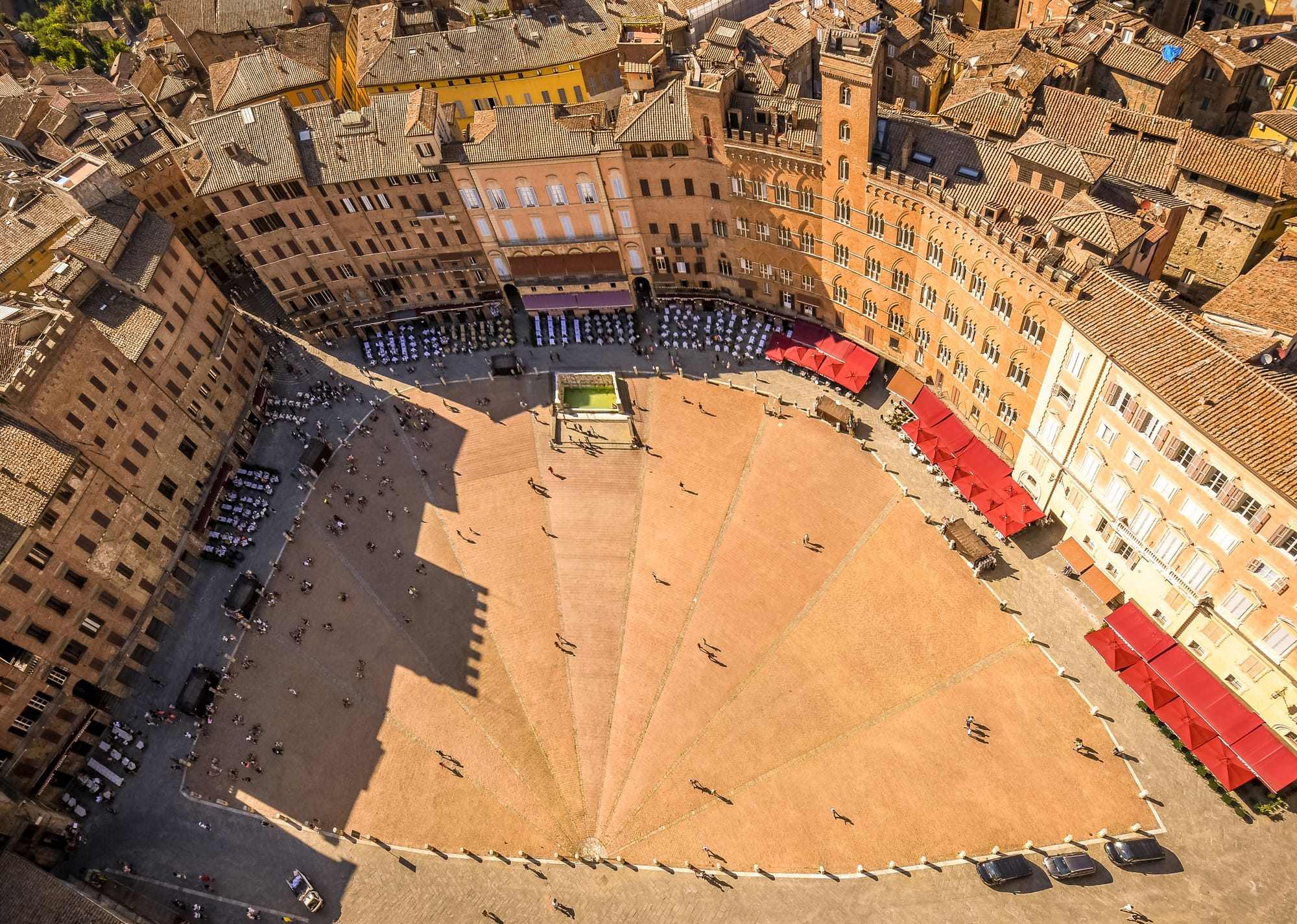
The Piazza del Campo is the reason people come to Siena, and it no surprise. It is one of the great medieval public spaces in Europe — a vast shell-shaped square that slopes gently towards the Palazzo Pubblico, surrounded on all sides by centuries-old buildings in the warm terracotta of the local stone.
The square is at its best in the early morning before the tour groups arrive, and again in the early evening when the light turns golden. There are no cars. There is just the square, the light, and one of the most beautiful civic spaces ever built.
The Torre del Mangia rises 88 metres from the Palazzo Pubblico — the second-tallest medieval tower in Italy. The climb of 400 steps rewards you with the finest panoramic view of the city and the surrounding Tuscan countryside. Tickets cost around €11 and should be bought in advance in peak season as numbers are limited. Open 10am–7pm in high season, 10am–4pm in low season.
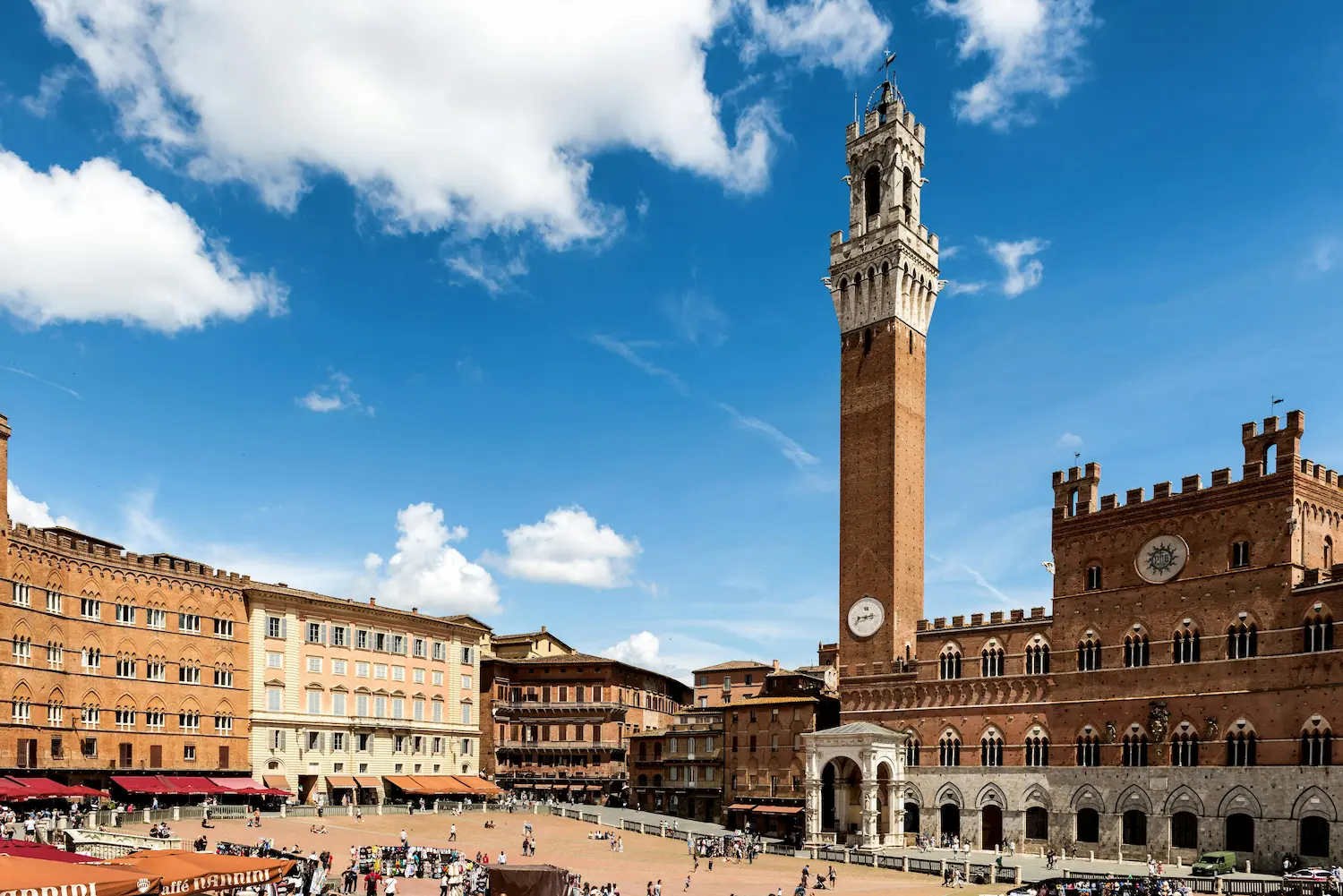
The Palazzo Pubblico and its Museo Civico contain some of the most important medieval secular paintings in Italy — including Ambrogio Lorenzetti's Allegory of Good and Bad Government, painted in the 1330s and still remarkably vivid. Admission is included in the. ticket for Torre del Mangia. Opening hours are 10am–6pm in low season, and 10am-7pm in high season
Sit on the sloping brick of the campo itself — it is entirely normal and perfectly comfortable — and take your time. This is not a square to rush through.
The Duomo di Siena
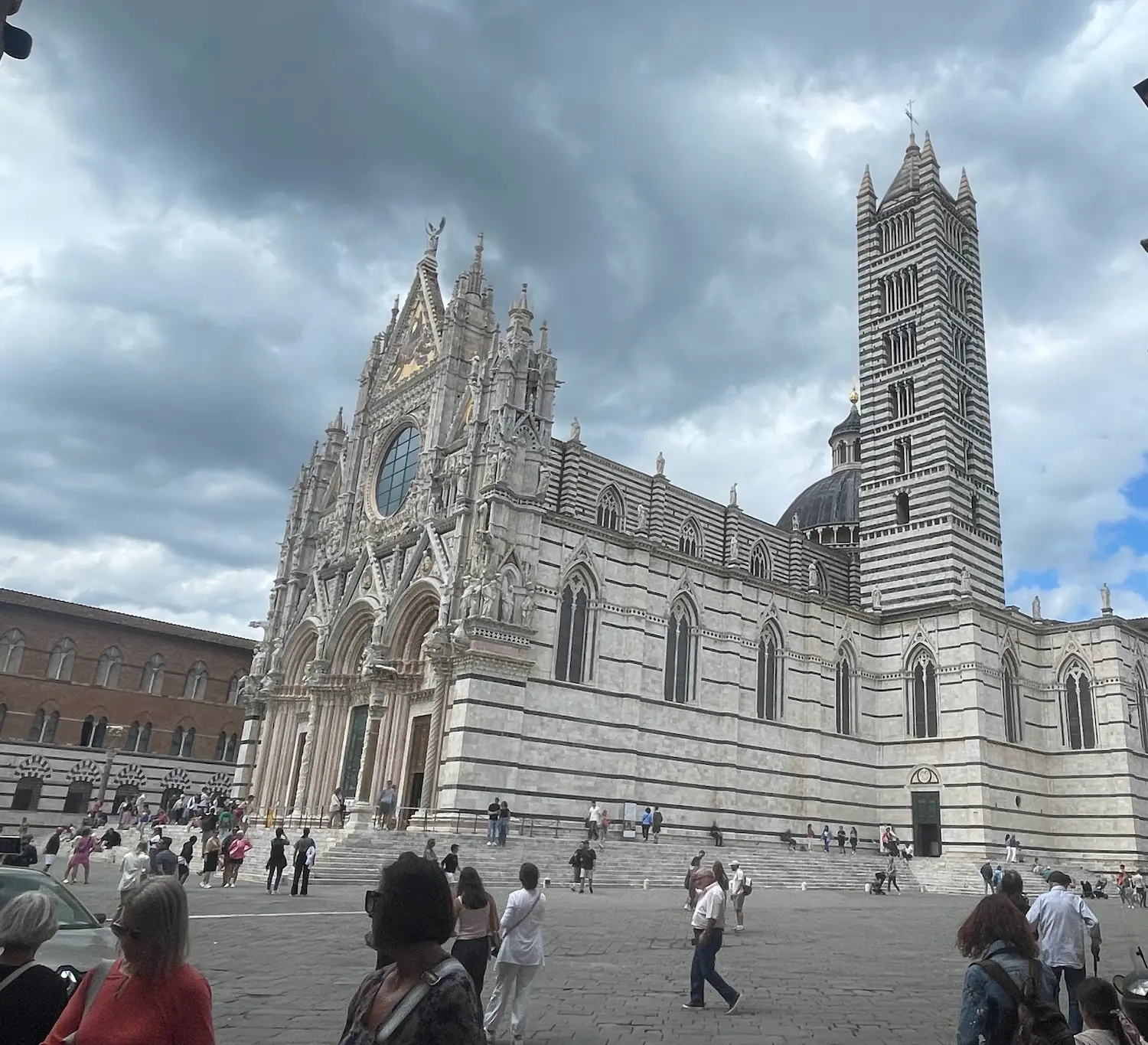
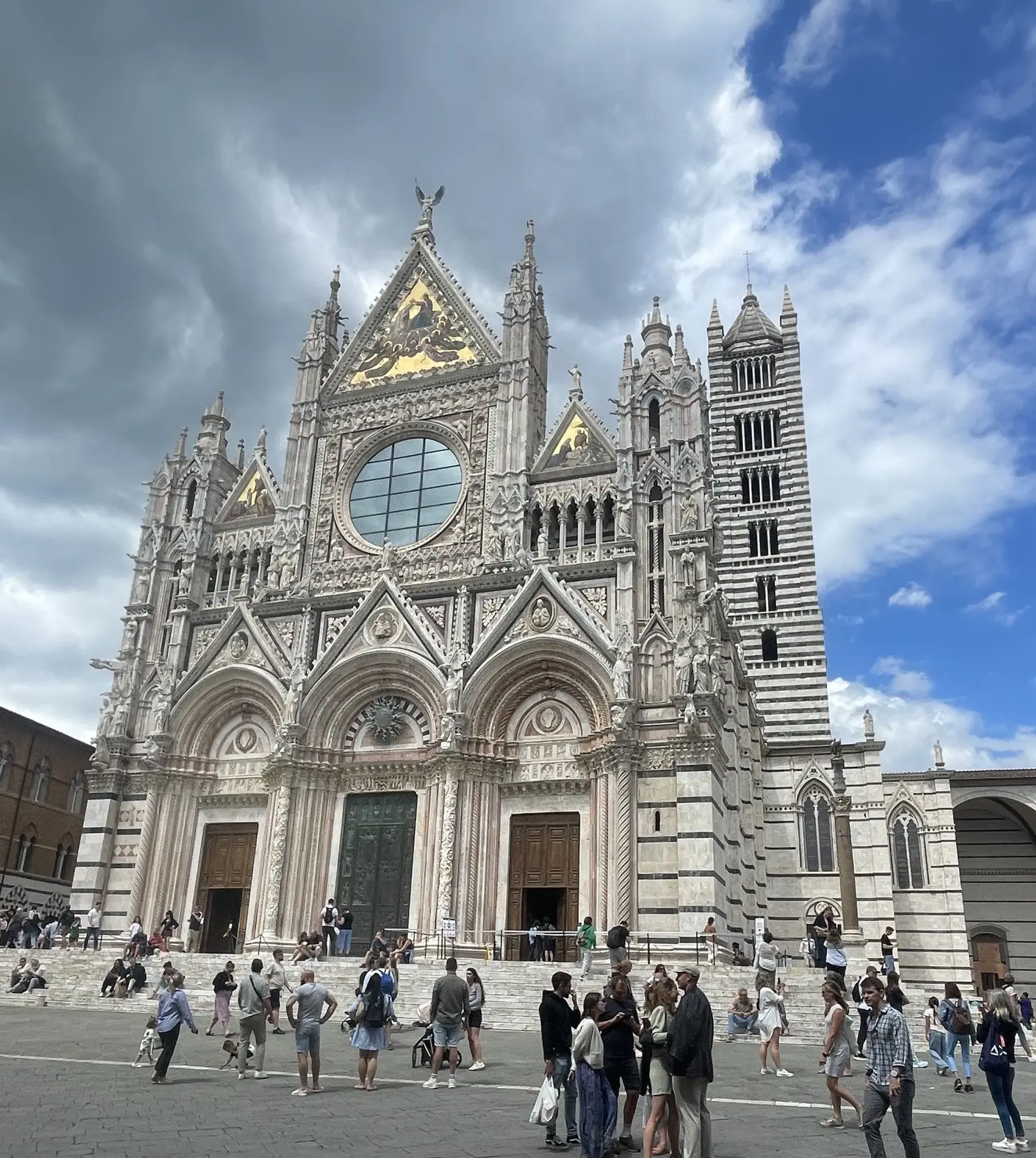
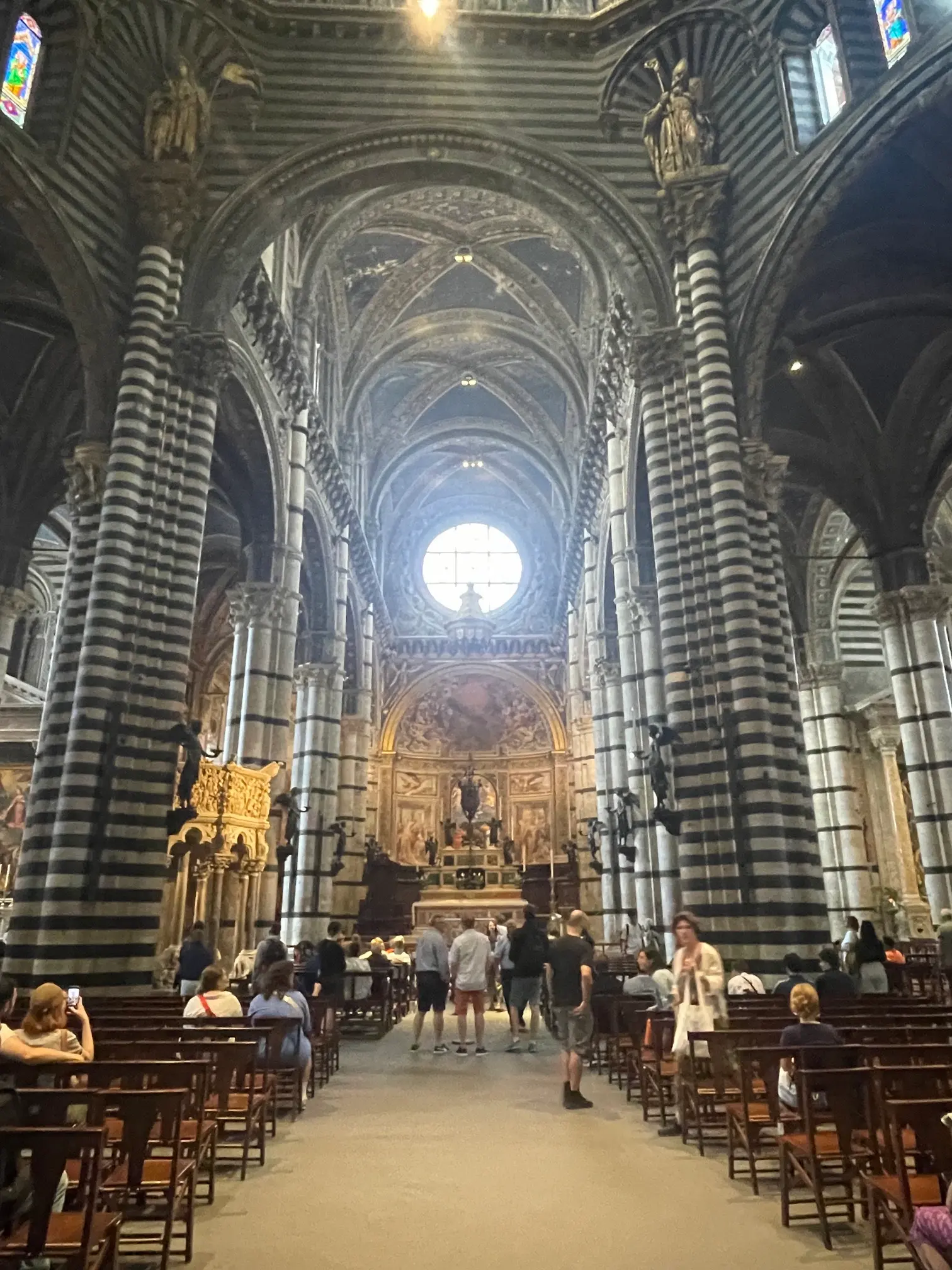
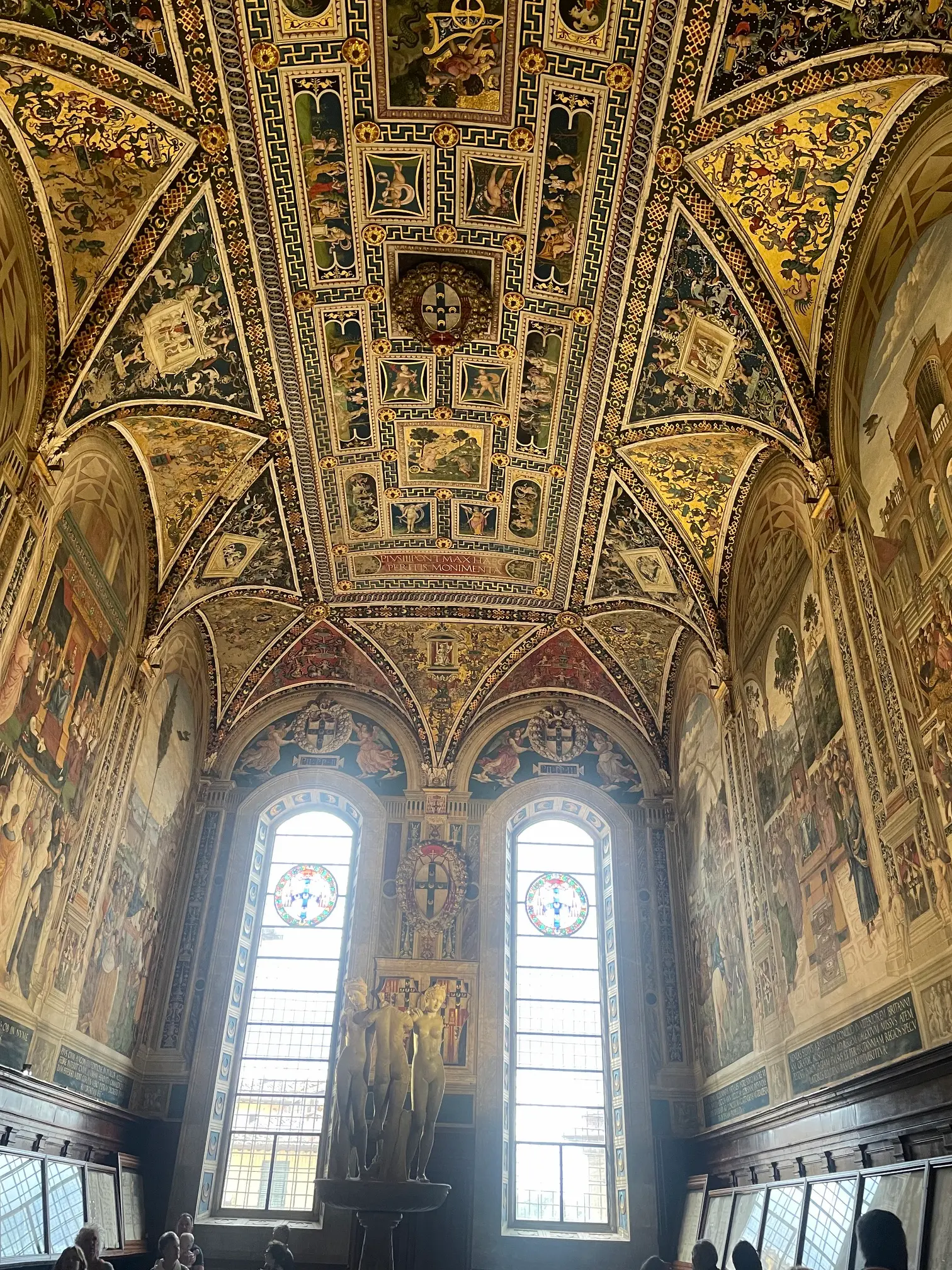
The Duomo di Siena — one of the finest Gothic cathedrals in Italy.
The Duomo di Siena rivals Florence's cathedral in ambition and beauty. The exterior is striped black and white marble — a scheme that carries through into the interior, where the effect of the banded columns rising to the ceiling is unlike anything you will find elsewhere in Italy. The floor is inlaid with 56 elaborate marble panels depicting biblical scenes, produced over almost two centuries — one of the most remarkable floor decorations in any church in the world.
The Libreria Piccolomini, just off the nave, is covered floor-to-ceiling in vivid frescoes by Pinturicchio depicting the life of Pope Pius II — the colours are jewel-bright and almost perfectly preserved.
The Museo dell'Opera del Duomo adjacent to the cathedral contains Duccio di Buoninsegna's Maestà — one of the great works of Italian Gothic painting, painted between 1308 and 1311 and still overwhelming in its scale and detail.
The cathedral complex is large and the different components require separate tickets — buy a combined ticket for the best value. In summer, book entry in advance at operaduomo.siena.it to avoid queues.
The Medieval Streets and the Contrade
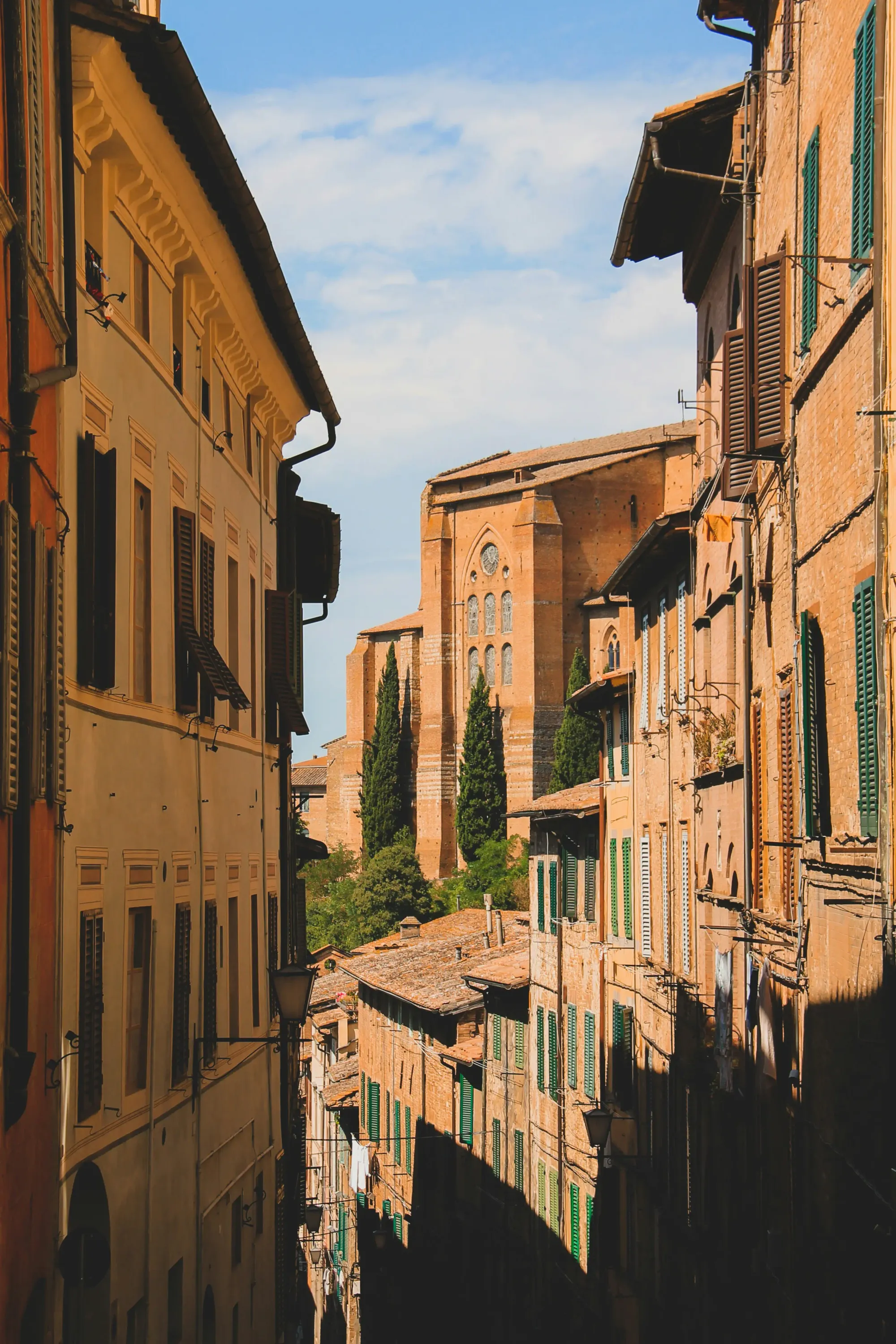
Beyond the piazza and the cathedral, the pleasure of Siena is the streets themselves. The historic centre has been a UNESCO World Heritage Site since 1995 and the built fabric reflects that status — the scale, the materials and the street pattern are all essentially medieval.
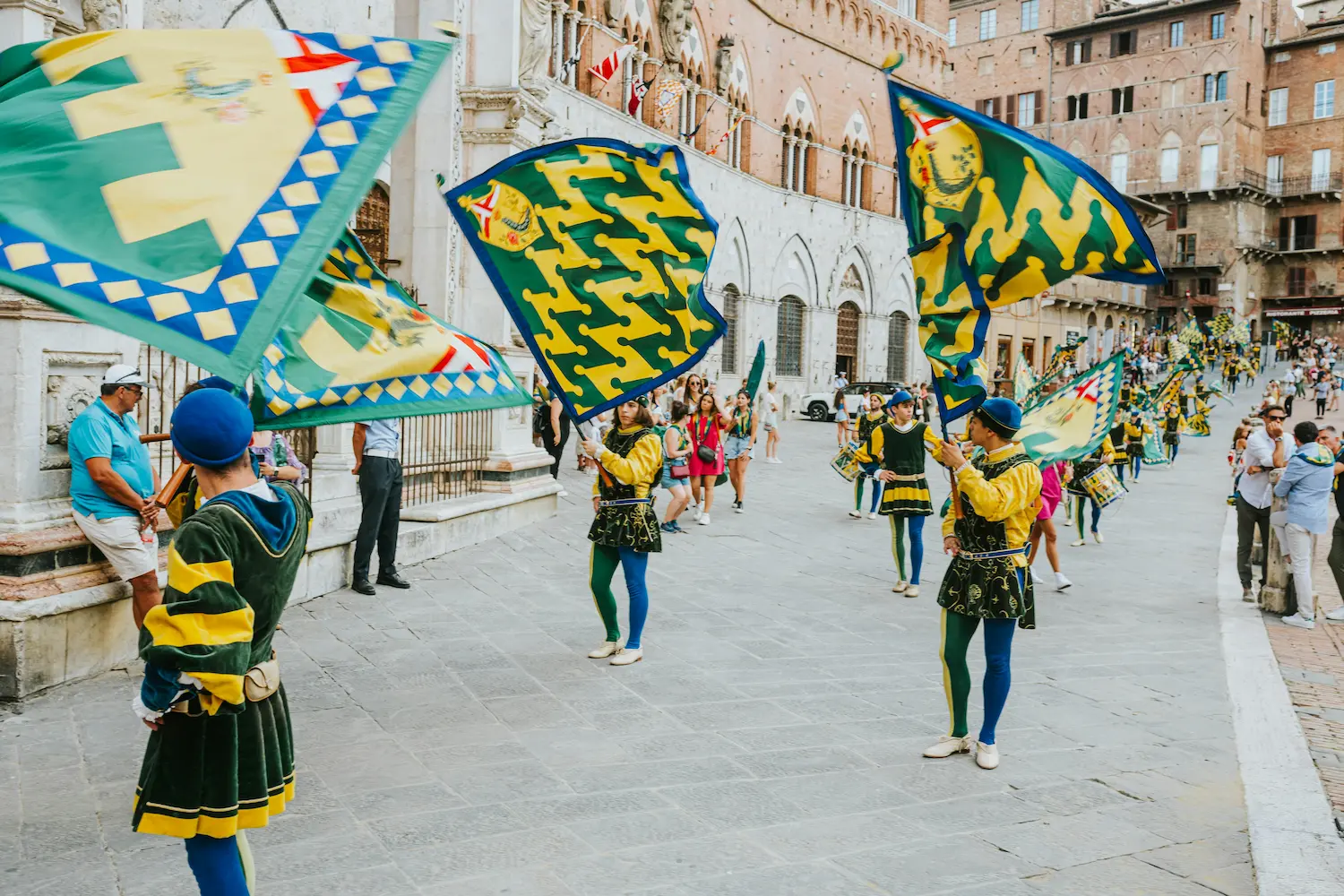
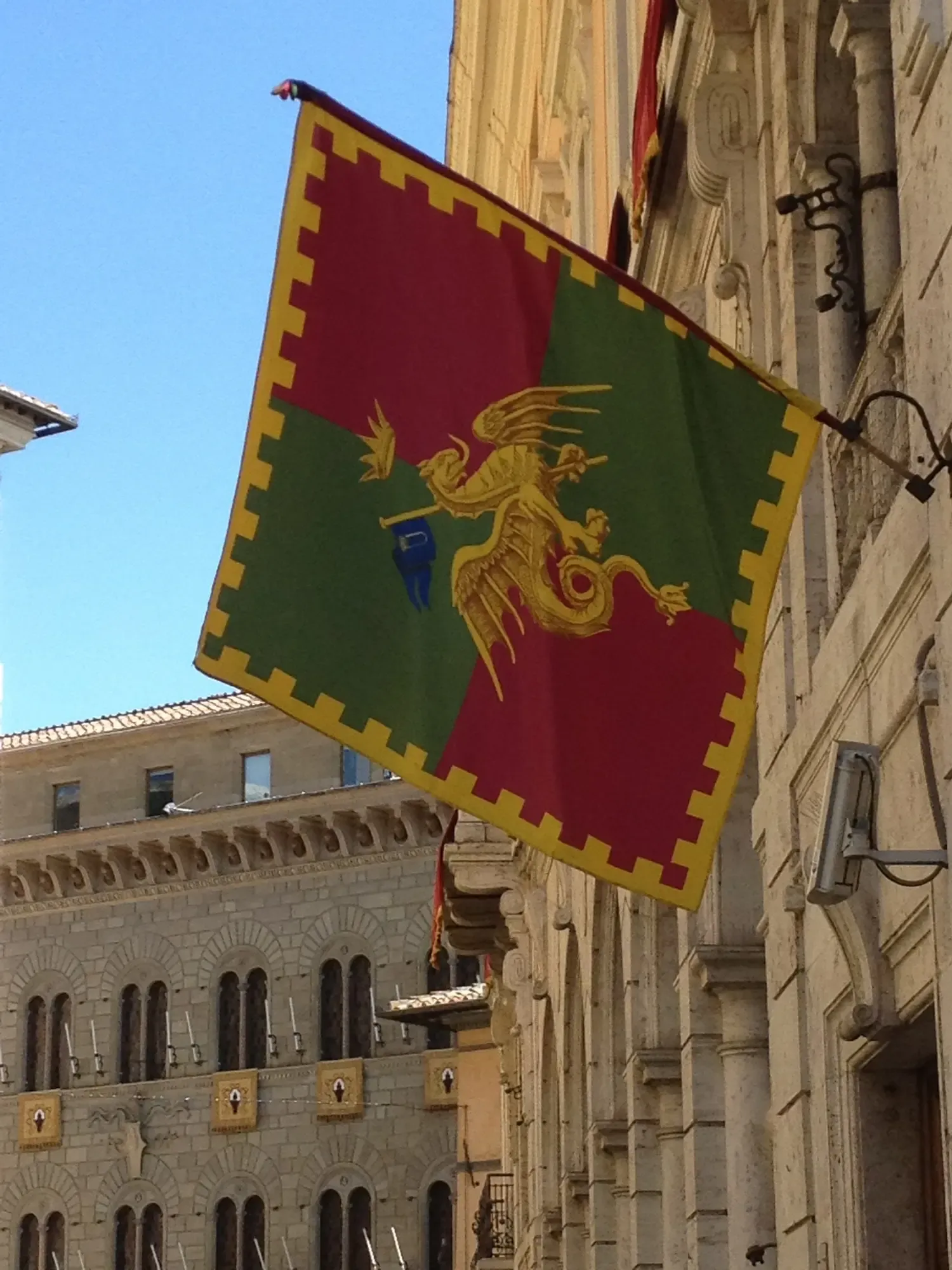
Siena is divided into 17 contrade — ancient neighbourhood districts, each with its own identity, symbol, colours, museum, church and fountain. The contrade are not tourist attractions. They are the living social structure of the city, and membership is hereditary — you are born into your contrada and remain a member for life. The rivalry between contrade is intense, centuries-old and entirely serious. You will see their flags and symbols on fountains, buildings and banners throughout the city.
The Pinacoteca Nazionale in Palazzo Buonsignori is one of the finest collections of Sienese painting in the world — Duccio, Simone Martini, the Lorenzetti brothers — covering the period from the 12th to the 17th centuries. Relatively uncrowded and genuinely exceptional.
Fontebranda, the 13th-century fountain near the Basilica of San Domenico, is the largest and most historic of Siena's many fountains — a simple brick structure that provided water to the medieval city for centuries and still stands perfectly intact.
The Palio
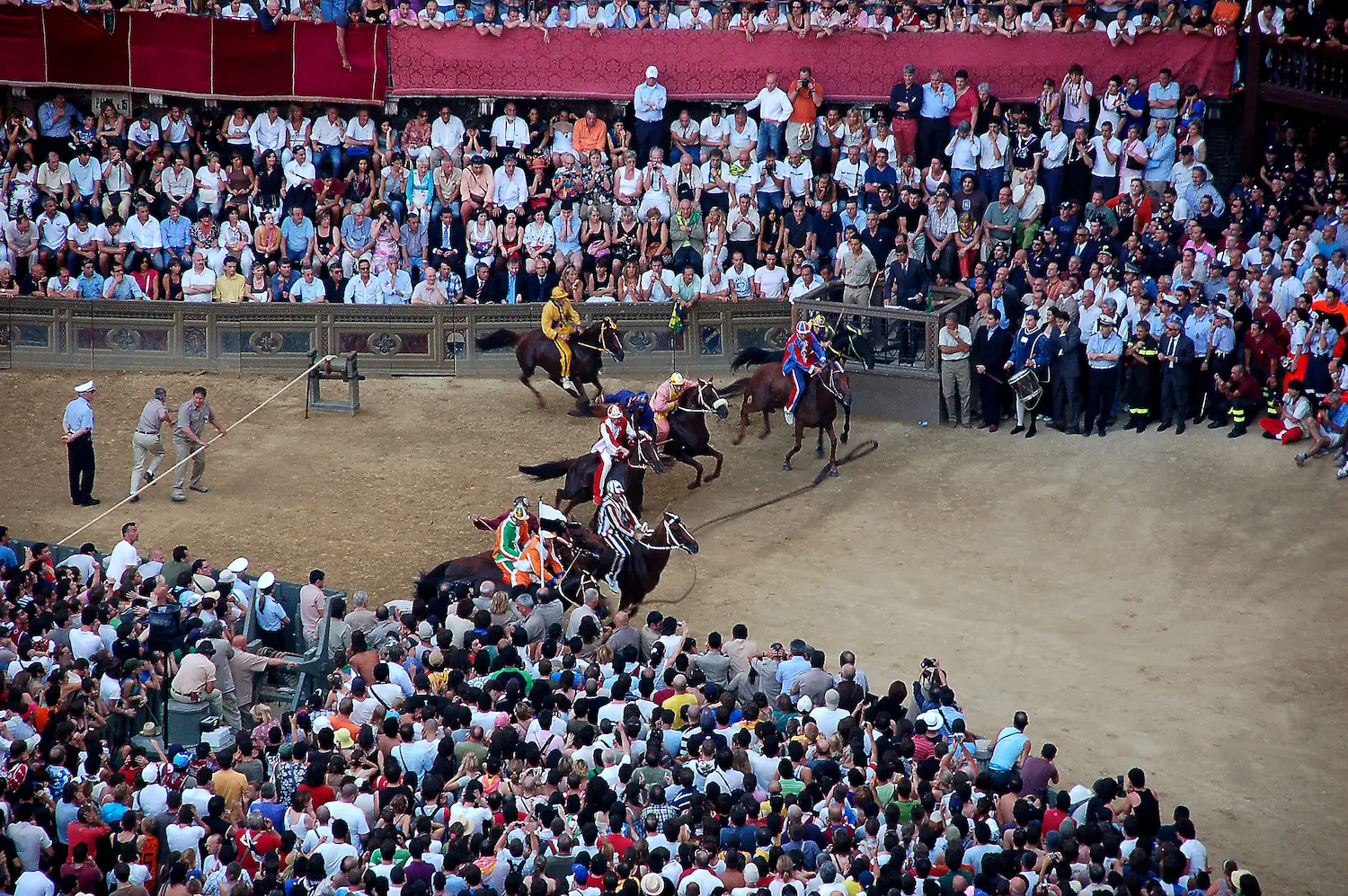
The Palio di Siena is a bareback horse race held twice a year in the Piazza del Campo — in July (Palio di Provenzano) and August (Palio dell'Assunta). Ten horses and riders representing ten of the seventeen contrade race three laps around the campo on a clay track laid over the brick paving. The whole race lasts approximately 90 seconds.
The Palio is the culmination of a year of rivalry, alliance, strategy, betrayal and passion between the contrade. In the days leading up to the race — each Palio is a four-day festival — the city is transformed. Flags hang from every building. Contrada members eat together at long tables in the streets the night before. The horses are blessed inside the contrada churches. The historical procession (Corteo Storico) moves through the campo on race day in medieval costume. And then the horses run, and Siena erupts.
Attending the Palio is one of the most extraordinary experiences in Italy. But it requires planning.
Standing in the centre of the campo is free — you simply enter the square before it closes (usually around 6pm on race day) and stand. The race takes place around 7:30pm. To stand you need to arrive very early — 6 to 8 hours before the race — and you will stand packed tightly for the duration.
Paid seating — grandstands, balconies and windows around the campo — costs from €500-700 per person and sells out months in advance. There is no central box office — tickets come from individual property owners and specialist operators. Book 6–12 months ahead for any paid position.
The trial races in the days before the Palio are free to watch from inside the campo and give you the full atmosphere with more space and less intensity. The evening trial on the night before the race (Prova Generale) is particularly worth attending.
Even if you cannot be there for the race itself, visiting Siena in Palio week — when the flags are flying, the contrade are visible throughout the city and the preparations are underway — is extraordinary.
The Mille Miglia — When Classic Cars Fill the Campo
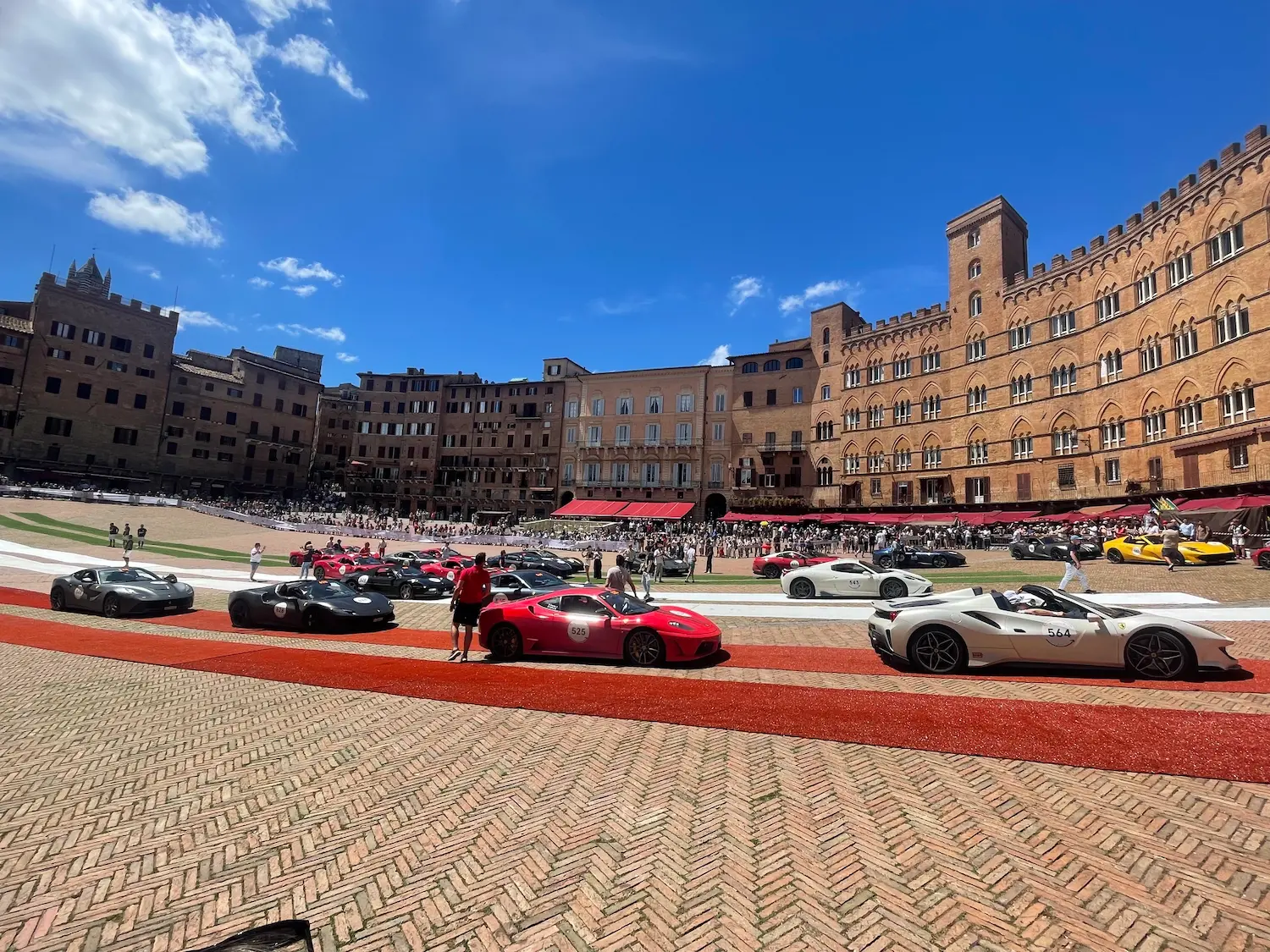
Once a year in June the Piazza del Campo is taken over by something entirely unexpected. The Mille Miglia — Italy's legendary vintage car rally, running annually from Brescia to Rome and back — stops in Siena for lunch, and around 400 pre-1957 Ferraris, Alfa Romeos, Maseratis and Bugattis park on the medieval brick paving while crowds gather along the edges of the square.
I arrived by pure chance during the rally and found the campo transformed. The contrast between the medieval stone and the extraordinary machines from the 1930s, 40s and 50s was genuinely surreal. Entry to watch is free — arrive in the early afternoon and allow two to three hours.
Food and Drink — Buche, Pici and Chianti
Siena has a distinctive food culture rooted in medieval tradition and the agricultural richness of the surrounding Tuscan hills.
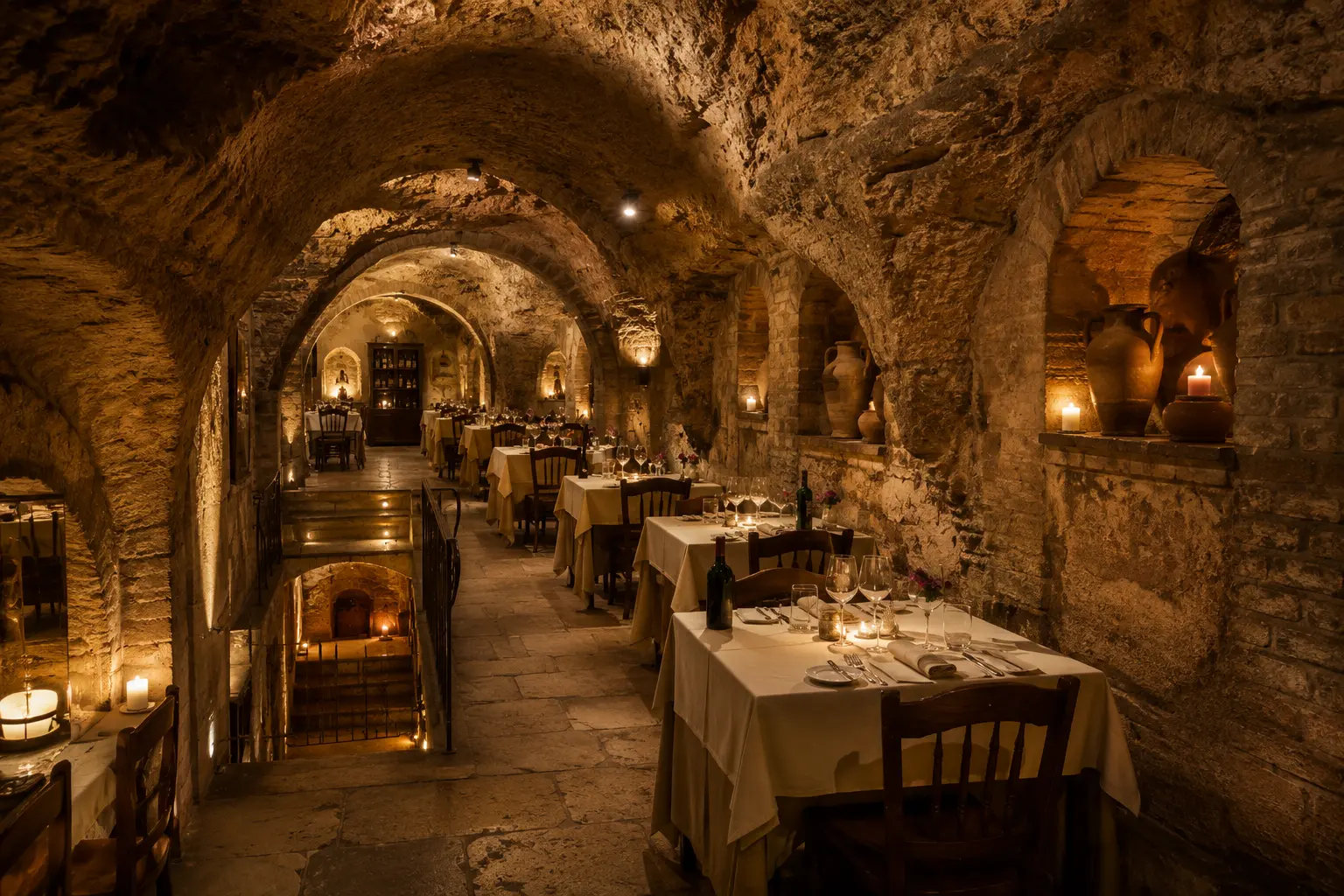
Buche are the defining eating experience of Siena — cellar restaurants built into the medieval foundations beneath the streets, typically entered via steep stone steps and lit by candlelight. Antica Osteria da Divo, built into Etruscan tombs beneath the city, is the most atmospheric — the vaulted dining rooms are extraordinary. Book in advance.
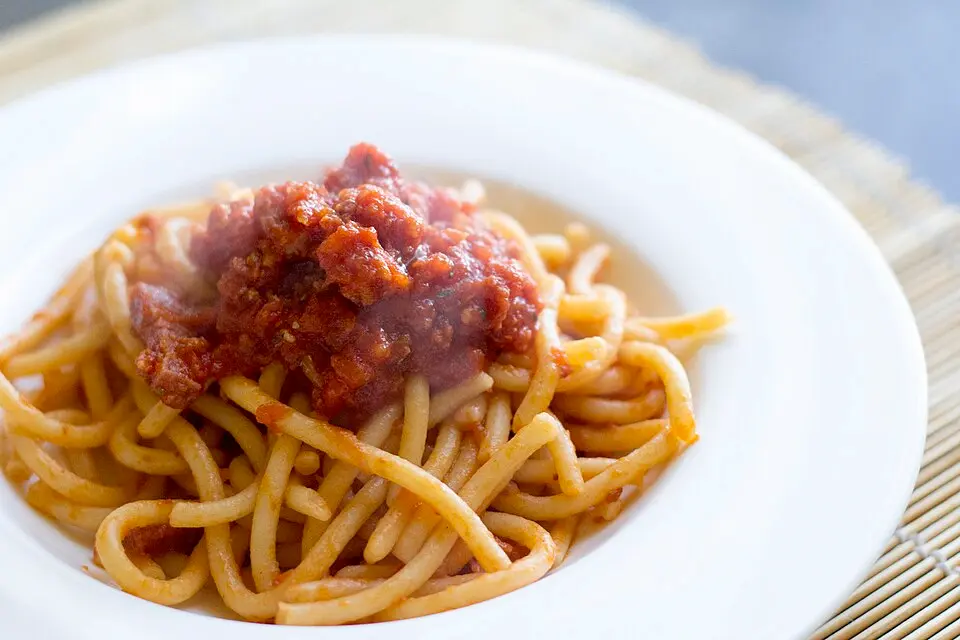
Pici is Siena's pasta — a thick, hand-rolled spaghetti, much heavier than the factory-made variety, served most traditionally al ragù (a slow-cooked meat sauce) or all'aglione (a strong tomato and garlic sauce). Simple, satisfying and ubiquitous on local menus.
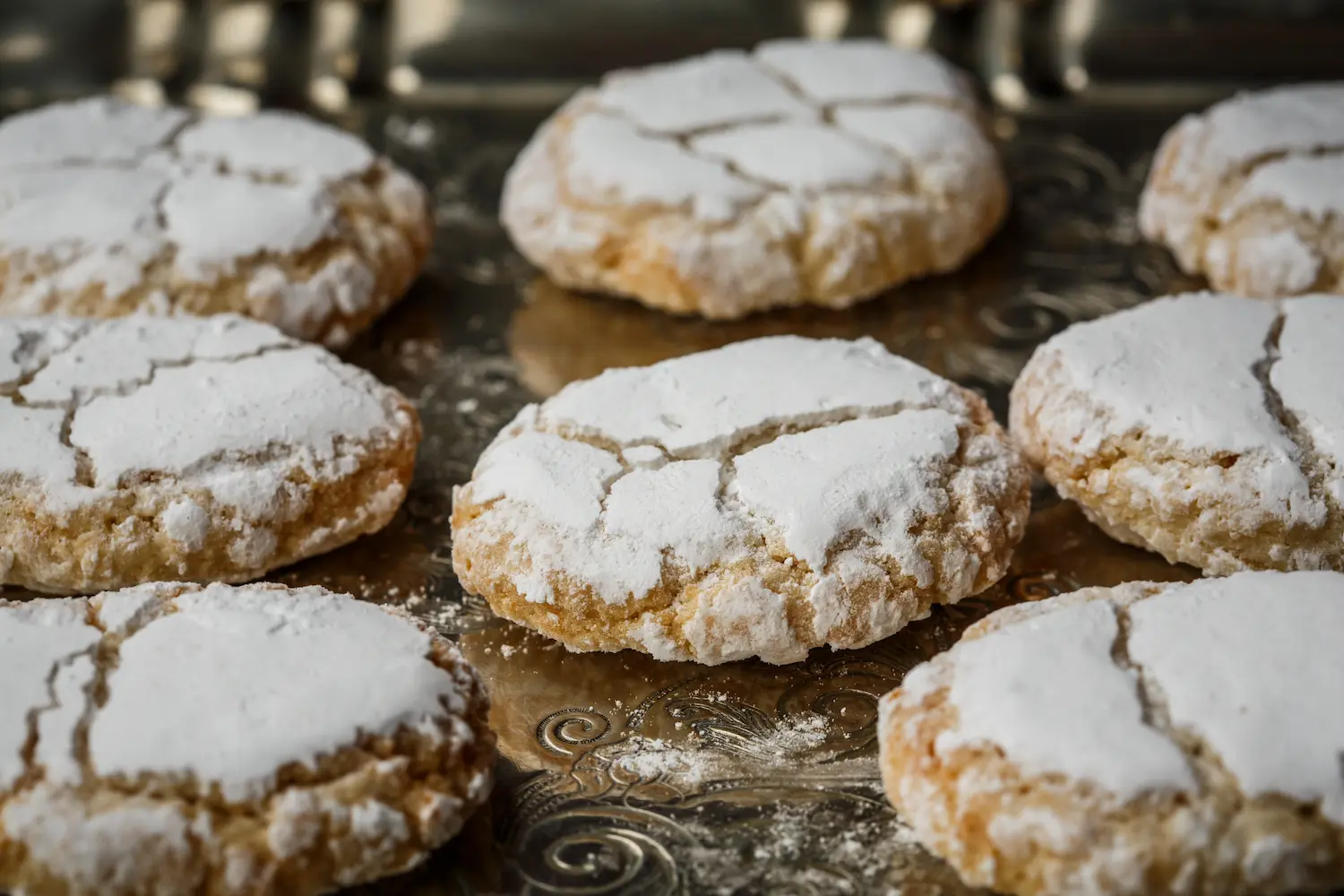
Ricciarelli are the city's signature biscuit — soft almond pastries dusted with icing sugar, made in Siena since the 14th century. Buy them from any pasticceria or from the Nannini café on Banchi di Sopra, which has been making them since 1779.
Chianti Classico is the local wine — produced in the hills between Siena and Florence and available at every restaurant and enoteca in the city. The cantine (wine bars) tucked into the medieval lanes are worth seeking out for a glass before dinner.
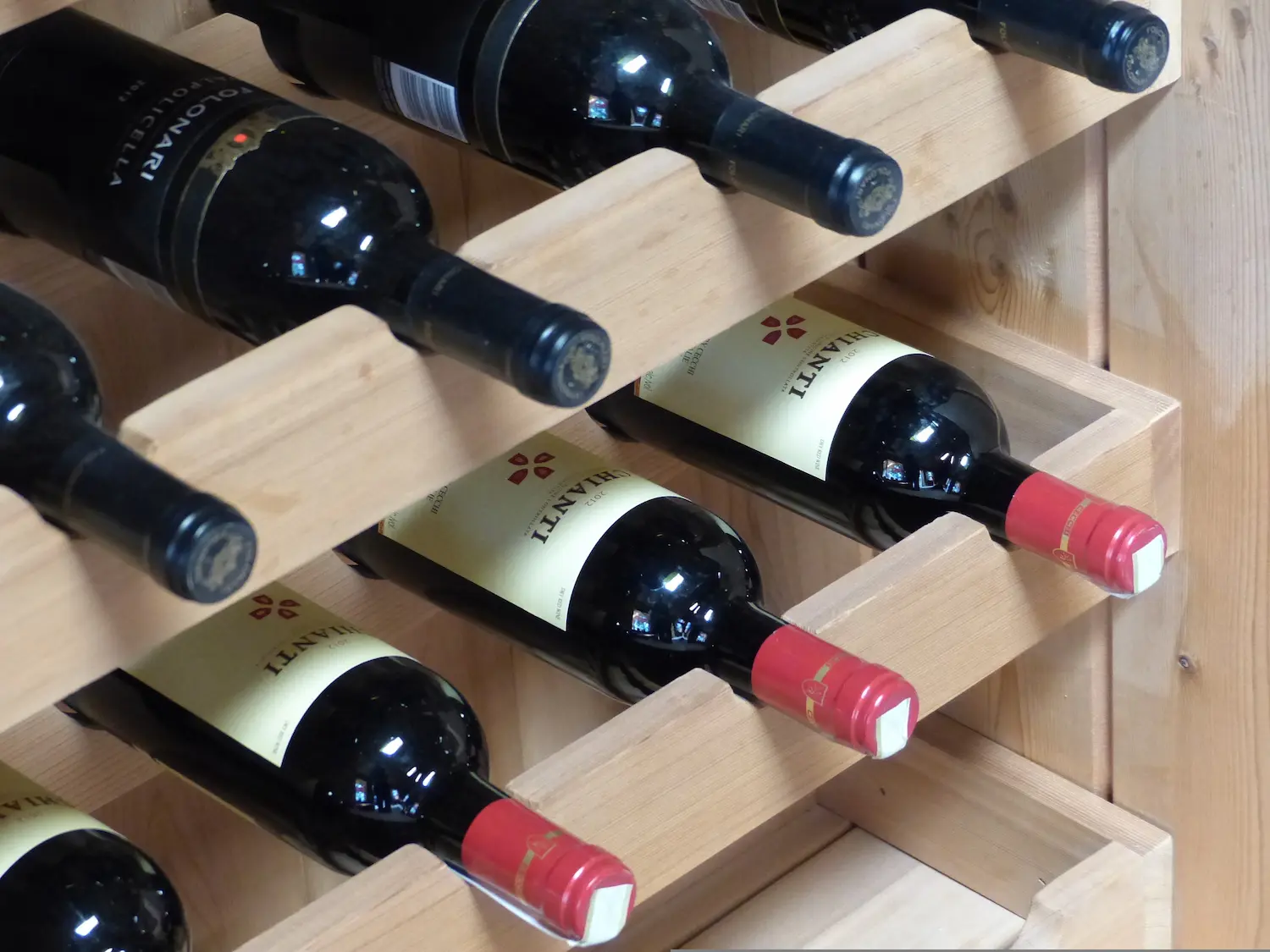
The Mercato on Piazza del Mercato, held on Wednesday mornings, is a genuine local market — food, clothing, household goods — worth arriving early for.
Practical Information
Getting around: The historic centre is pedestrianised and entirely walkable — no buses or taxis inside the walls. Everything worth seeing is within 20 minutes' walk of the campo. The city is hilly — the streets between the campo and the cathedral involve some climbing.
Luggage storage: The underground bus station at Piazza Gramsci has staffed luggage storage. Radical Storage and Bounce also have locations in the city centre — book in advance via the apps.
Day trip or overnight: Siena works as a day trip from Florence but rewards an overnight stay. The city changes character in the evening when the day visitors leave — quieter, more local, and the light on the campo at dusk is remarkable. If you can stay, do.
Best time to visit: Spring (April–June) and autumn (September–October) are the most comfortable. July and August are busy but the Palio makes them extraordinary if you plan well. Winter is very quiet with some reduced opening hours, but the city is beautiful and almost tourist-free.
Return bus to Florence: Buy your return Autolinee Toscane ticket at the underground bus station at Piazza Gramsci before you explore — the counter gets busy in the late afternoon. Buses run until late evening.
For a full guide to Italian trains — tickets, validation, booking — see our Italy train network guide.
Frequently Asked Questions
Is Siena a good day trip from Florence?
Yes — and one of the best available. The direct Autolinee Toscane 131R bus from near Santa Maria Novella station reaches Siena in around 1h 15m and runs throughout the day. A full day gives you the Piazza del Campo, the Duomo, lunch and the medieval streets.
What is the best way to get from Florence to Siena?
The 131R bus is faster, cheaper and more convenient than the train, and leave every 30-60 minutes.
Can I visit Siena from Rome by train?
Yes — but the bus is quicker, with no change required. The journey takes 2h 45 minutes. Flixbus runs the most frequent service than runs up to 9 times a day.
What is the Palio di Siena?
The Palio is a bareback horse race held in the Piazza del Campo twice a year — in July and August. Ten horses representing ten of Siena's seventeen contrade race three laps around the campo. It is one of the most extraordinary spectacles in Italy, with centuries of rivalry between the city's historic neighbourhood districts.
How do I get tickets for the Palio?
Standing in the centre of the campo on race day is free — but you must arrive 6–8 hours before the race and stand packed in crowds for the duration. Paid seats cost from €500-700 per person and must be booked 6–12 months in advance through specialist operators. There is no central box office.
What are Siena's buche restaurants?
Buche are cellar restaurants built into the medieval foundations beneath the streets — typically entered via stone steps and lit by candlelight. Antica Osteria da Divo, built into Etruscan tombs, is wonderful. Book in advance.
How long do I need in Siena?
A full day covers the essential highlights — Piazza del Campo, the Duomo and the medieval streets. An overnight stay allows time for the Torre del Mangia climb, the Pinacoteca and a proper dinner in one of the buche. The city is very different in the evening once the day visitors have left.
Is Siena easy to reach without a car?
Yes — the direct bus from Florence takes 1h 15m and is inexpensive. From Rome the bus takes around 2h 45m. From Milan, combine the fast train to Florence with the Autolinee Toscane bus. Once in Siena, the historic centre is entirely walkable.
Also on The Unseen Italy: Day Trips from Florence by Train · Hidden Gems in Florence · How Italy's Train Network Works