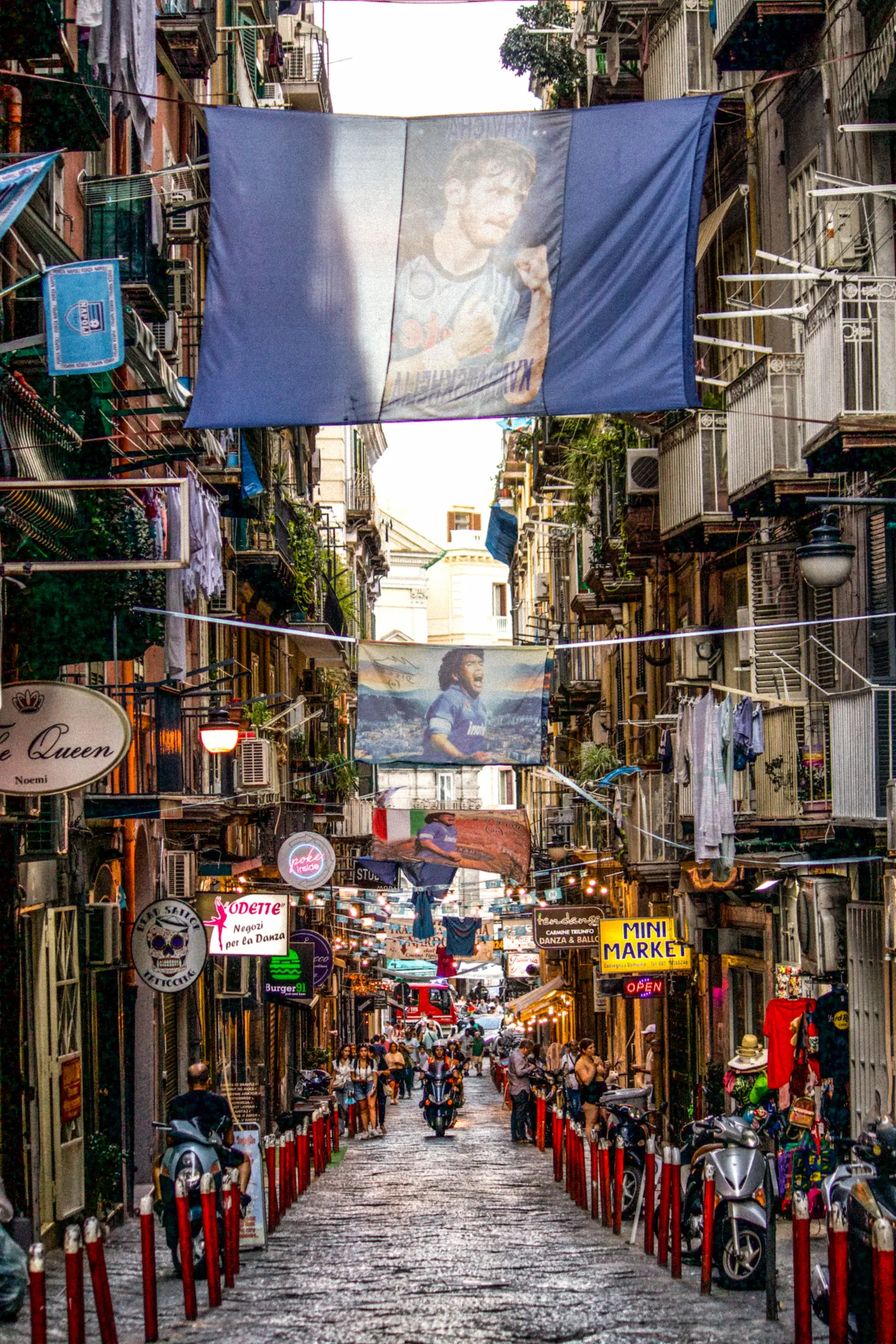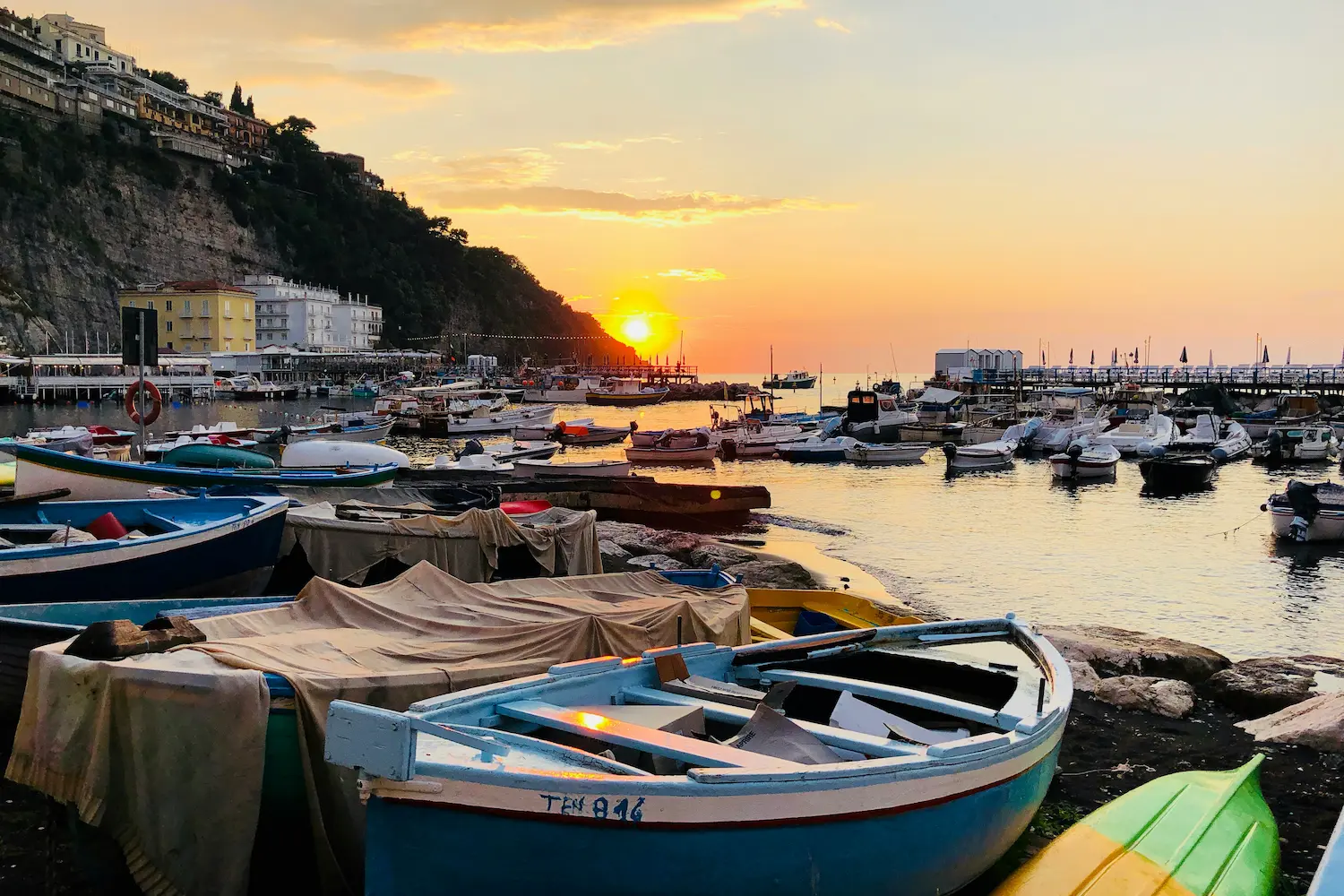
Naples has one of the finest collections of Roman antiquities in the world, a street plan that has barely changed in 2,500 years, and pizza that needs no introduction. The most misunderstood city in Italy - and one of the most rewarding.
Last verified: June 2026. Opening times, prices and transport details change regularly. Always check official sources before travelling.
Chaotic and occasionally overwhelming at first glance, Naples rewards anyone who looks past the noise. A high-speed train from Rome gets you here in just over an hour. What you find is a city that has survived intact since the 4th century BC, with narrow lanes that open onto Baroque churches and family-run pizzerias, and a street food culture that has no real parallel anywhere else in Italy.
This guide covers the city itself - getting there, getting around, what to see, and what to eat. For everything reachable from Naples by train and ferry, see our companion guide to day trips from Naples.
At a Glance
| 🚆 From Rome | Trenitalia or Italo - approx. 1h 10m from Roma Termini, from ~€30 |
| 🚆 From Florence | Trenitalia or Italo - approx. 3h from Firenze SMN, from ~€45 |
| 🚆 From Milan | Trenitalia or Italo - approx. 4h 30m from Milano Centrale, from ~€60 |
| 🏛️ UNESCO status | Historic centre - World Heritage Site since 1995 |
| 🍕 Essential food | Pizza Napoletana, sfogliatella, ragù, friarielli, Neapolitan coffee |
| 🎟️ Must book ahead | Sansevero Chapel - often sells out days in advance |
| 🚇 Getting around | Metro, rail, bus, on foot in the historic centre |
| 📅 Best time | Spring and autumn - hot in summer, quieter in winter |
| 🗺️ Best base | Historic centre near Spaccanapoli - walkable to everything |
In This Guide
Getting to Naples by Train
Naples is on the main high-speed spine of Italy — Trenitalia and Italo trains connect it directly to Rome, Florence and Milan without a change.
| From | Journey time | Price |
|---|---|---|
| Rome (Roma Termini) | approx. 1h 10m | ~€30 - if bought in advance |
| Florence (Firenze SMN) | approx. 3h | ~€45 - if bought in advance |
| Milan (Milano Centrale) | approx. 4h 30m | ~€60 - if bought in advance |
| Salerno | approx. 30–60m | ~€6 |
The high-speed trains arrive at Napoli Centrale - the main station, connected to the city centre by metro and bus. The Circumvesuviana for Pompeii, Herculaneum and Sorrento departs from the lower level of the same building.
Buy tickets via Trenitalia, Italo or Trainline. Book in advance for the best prices - the same Naples to Rome journey can cost less than €30 in advance or more than €70 on the day.
Getting Around Naples
Naples has a genuinely confusing transport map for first-time visitors - three metro lines plus several regional railways, run by different operators. The historic centre itself is best explored on foot, but understanding the network matters for reaching the Archaeological Museum, the western suburbs and the day trips beyond the city.
Metro Line 1 is the backbone of the system and the one visitors use most — it connects Toledo, Dante, Museo and Vanvitelli, the key stops for the historic centre and the Archaeological Museum. The stations are extraordinary works of contemporary architecture in themselves - Toledo in particular is widely considered one of the most beautiful metro stations in Europe.
Line 2 runs on the national rail network (operated by Trenitalia rather than the city metro company) but functions as a metro line in practice, connecting Napoli Centrale westward towards Mergellina and the Campi Flegrei. Covered by the same integrated ticket.
Line 6 is a smaller, newer light metro line connecting the Fuorigrotta and Chiaia districts to Municipio, where it meets Line 1. Less relevant for most first-time visitors.
The Circumvesuviana - the separate regional network for Pompeii, Herculaneum and Sorrento - departs from the lower level of Napoli Centrale / Napoli Garibaldi. It is a completely separate system from the metro and Trenitalia, with its own tickets and machines.
On foot: The historic centre between Spaccanapoli and the Archaeological Museum is entirely walkable. Most of what is worth seeing is within a 30-minute walk of Napoli Centrale.
The Historic Centre and Spaccanapoli
Naples' historic centre has been a UNESCO World Heritage Site since 1995 - one of the densest and most continuously inhabited urban centres in the world, built on a Greek grid plan dating from the city's refoundation as Neapolis in 470 BC that is still legible in the street pattern today.
Spaccanapoli - literally "Naples-splitter" - is the long straight street that cuts through the entire historic centre from east to west, following the line of the ancient decumanus that has existed for roughly 2,500 years. It changes name several times as it crosses the city but the line is continuous.
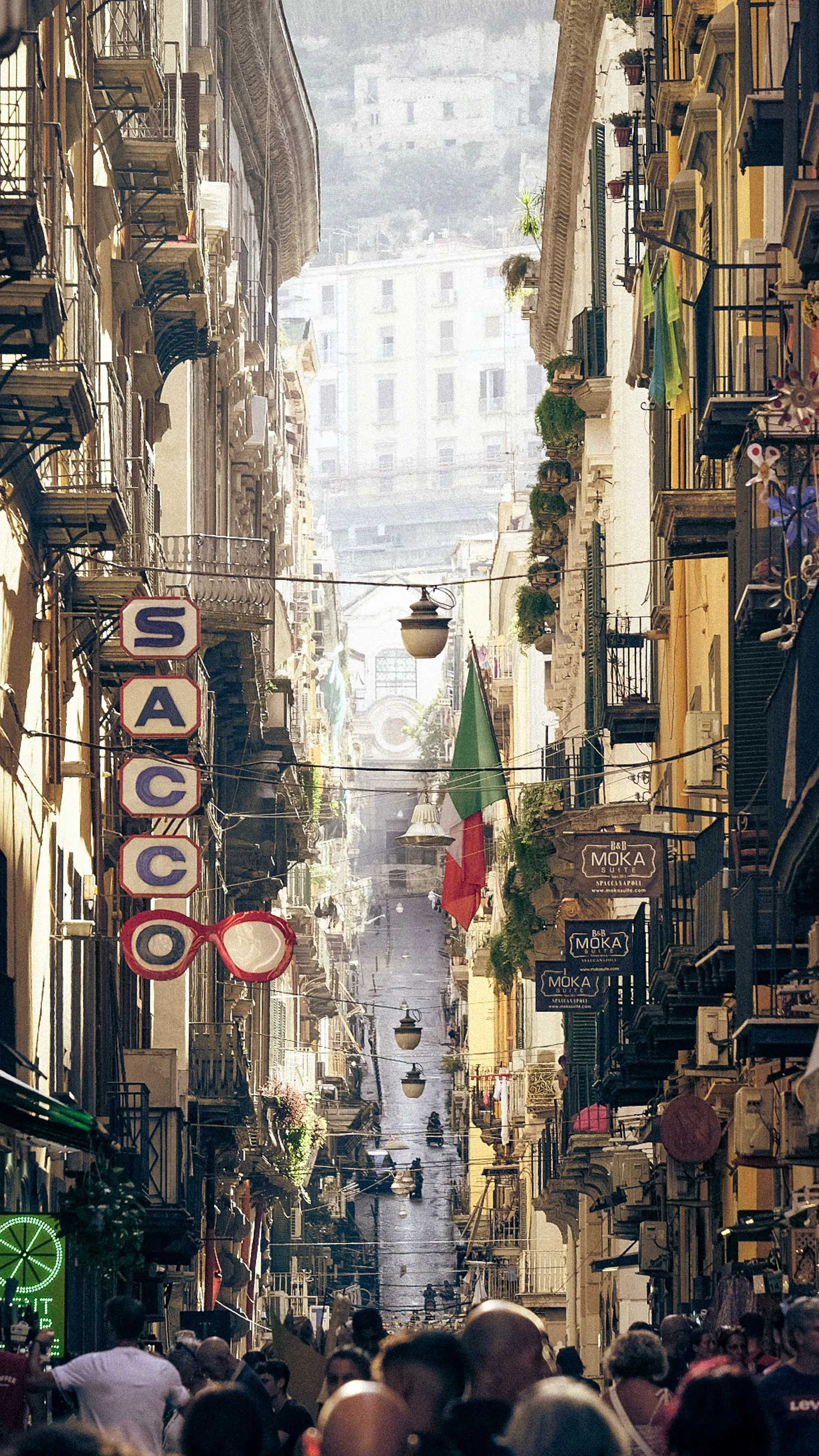
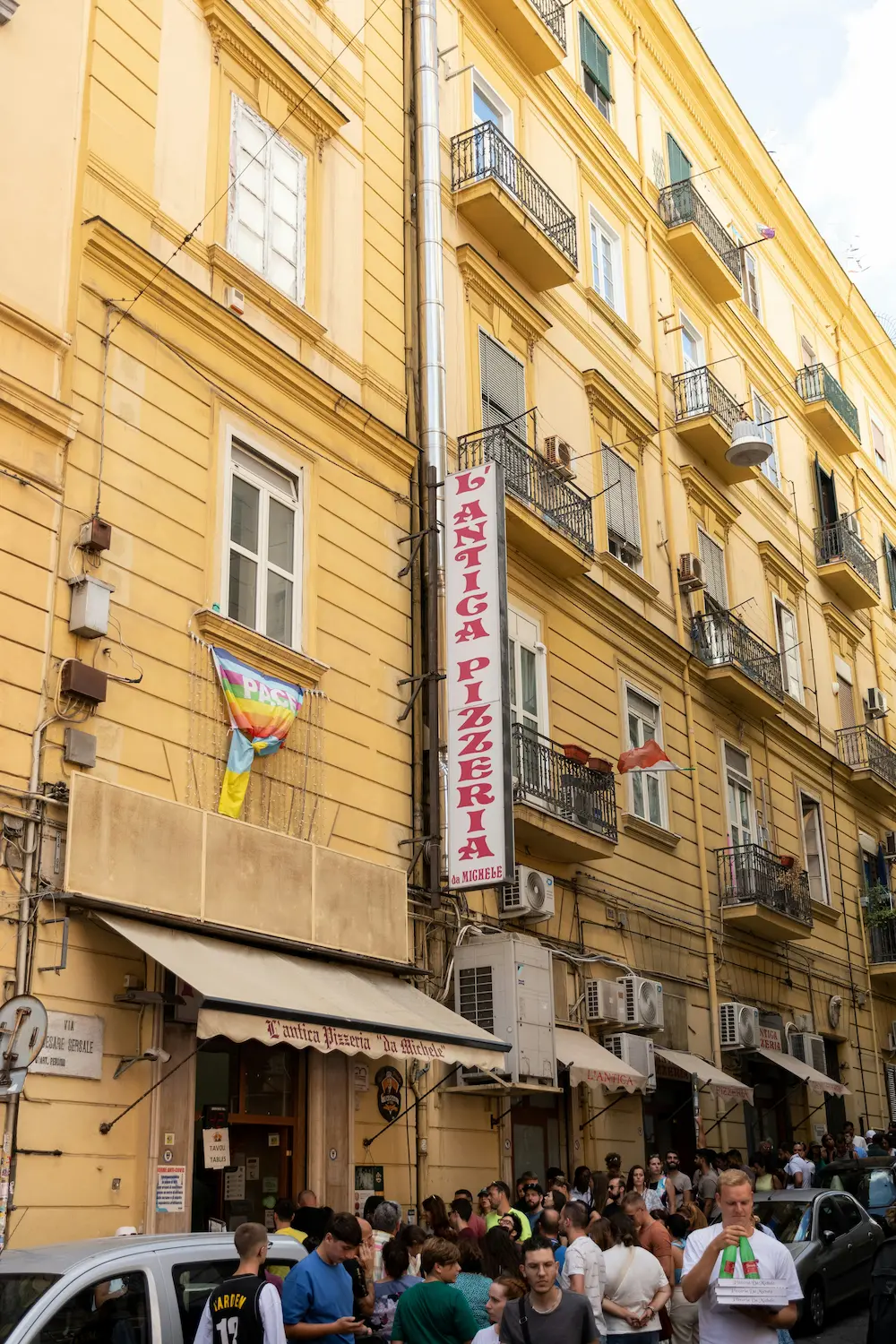
Via dei Tribunali runs parallel one block north - the main pizza street, lined with the city's most famous and most argued-over pizzerias. Sorbillo, Di Matteo, Gino e Toto Sorbillo - the queues are long but the pizza is extraordinary. A few minutes' walk away, Da Michele and Trianon face each other across a different street and are equally legendary.
Via San Gregorio Armeno connects the two streets and is famous for its nativity scene artisans - presepe makers who have worked on this street for centuries, producing increasingly elaborate and sometimes surreal figures (politicians, footballers, celebrities all appear alongside the traditional cast). A genuinely strange and distinctively Neapolitan experience.

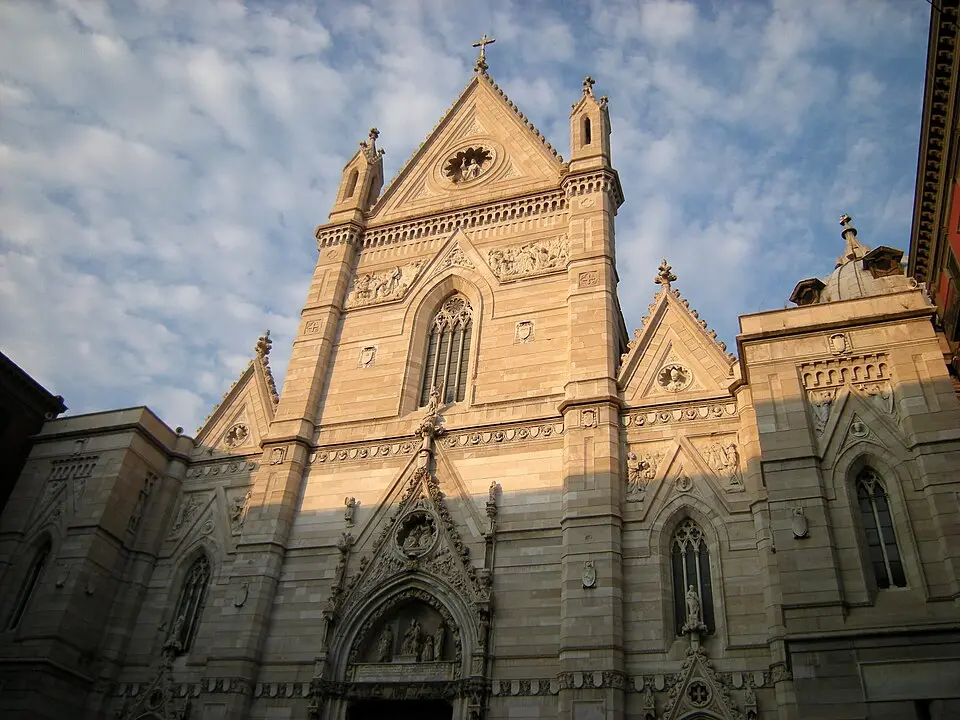
The Duomo di Napoli (Cathedral of San Gennaro) is at the eastern end of the centro storico - founded in the 4th century on the site of a Greek temple to Apollo, with the present Gothic structure built largely in the 14th century and a Baroque interior added later. Its most important feature is the Chapel of San Gennaro, where the liquefaction of the blood of Naples' patron saint is celebrated three times a year - 19 September, the saint's feast day, the first Saturday in May, and 16 December. The cathedral is free to enter.
Museo Archeologico Nazionale - The Best Reason to Come to Naples
If you visit Naples for nothing else, visit for this. The Museo Archeologico Nazionale holds the single most important collection of Roman antiquities in the world - everything excavated from Pompeii and Herculaneum over three centuries is here..
The highlights alone would justify a full day: the Alexander Mosaic - nearly 17 feet wide, depicting Alexander the Great defeating Darius III at the Battle of Issus, one of the greatest works of ancient art in existence. The Farnese Hercules - a colossal early 3rd-century marble of extraordinary power. The Secret Room (Gabinetto Segreto) - the collection of erotic art from Pompeii, long suppressed and now openly displayed. The Farnese Bull - the largest surviving ancient sculptural group. And floor after floor of frescoes, bronzes, mosaics and everyday objects.
Allow at least two and a half hours. Entry costs €20, free for under-18s. Open every day 9am-7.30pm, except Tuesday. The museum is a short walk from Piazza Cavour metro station on Line 2, or from Museo station on Line 1.
Sansevero Chapel - The Veiled Christ
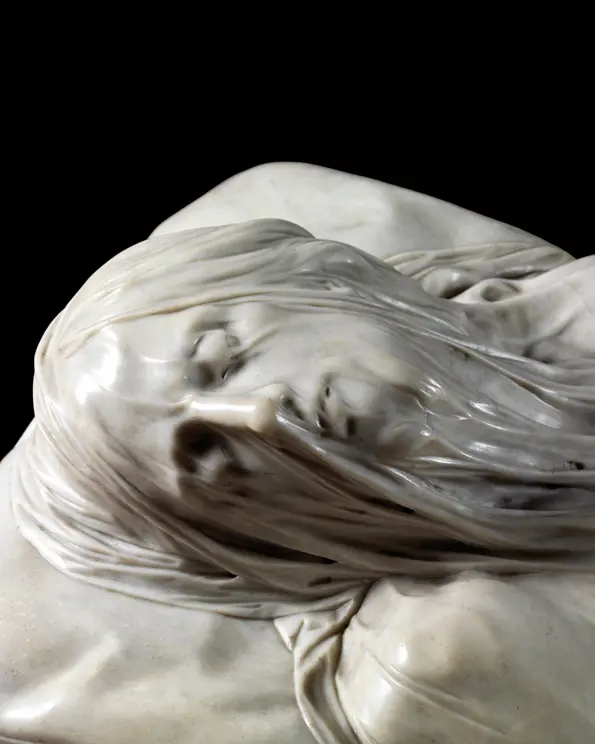
The Sansevero Chapel is a small 18th-century private chapel in the heart of the historic centre that contains one of the most remarkable sculptures in existence: Giuseppe Sanmartino's Veiled Christ, carved from a single block of marble in 1753. The figure of Christ lying dead, draped in a thin veil - the veil itself carved from marble, translucent in appearance, every fold and crease rendered with impossible precision.
The chapel also contains other remarkable works including Pudicizia (Modesty) and Disinganno (Disillusion) and the extraordinary Anatomical Machines in the basement: two human skeletons with their entire arterial systems preserved in metal, created in the 18th century by the eccentric Prince Raimondo di Sangro by a process that has never been satisfactorily explained.
The chapel is small and access is timed and strictly limited - book in advance at museosansevero.it. It regularly sells out days ahead in peak season. Entry costs €12. Open every day 9am-7pm, except Tuesday. Do check the web site for exceptions to these opening times on certain dates throughout the year.
Piazza del Plebiscito and the Waterfront
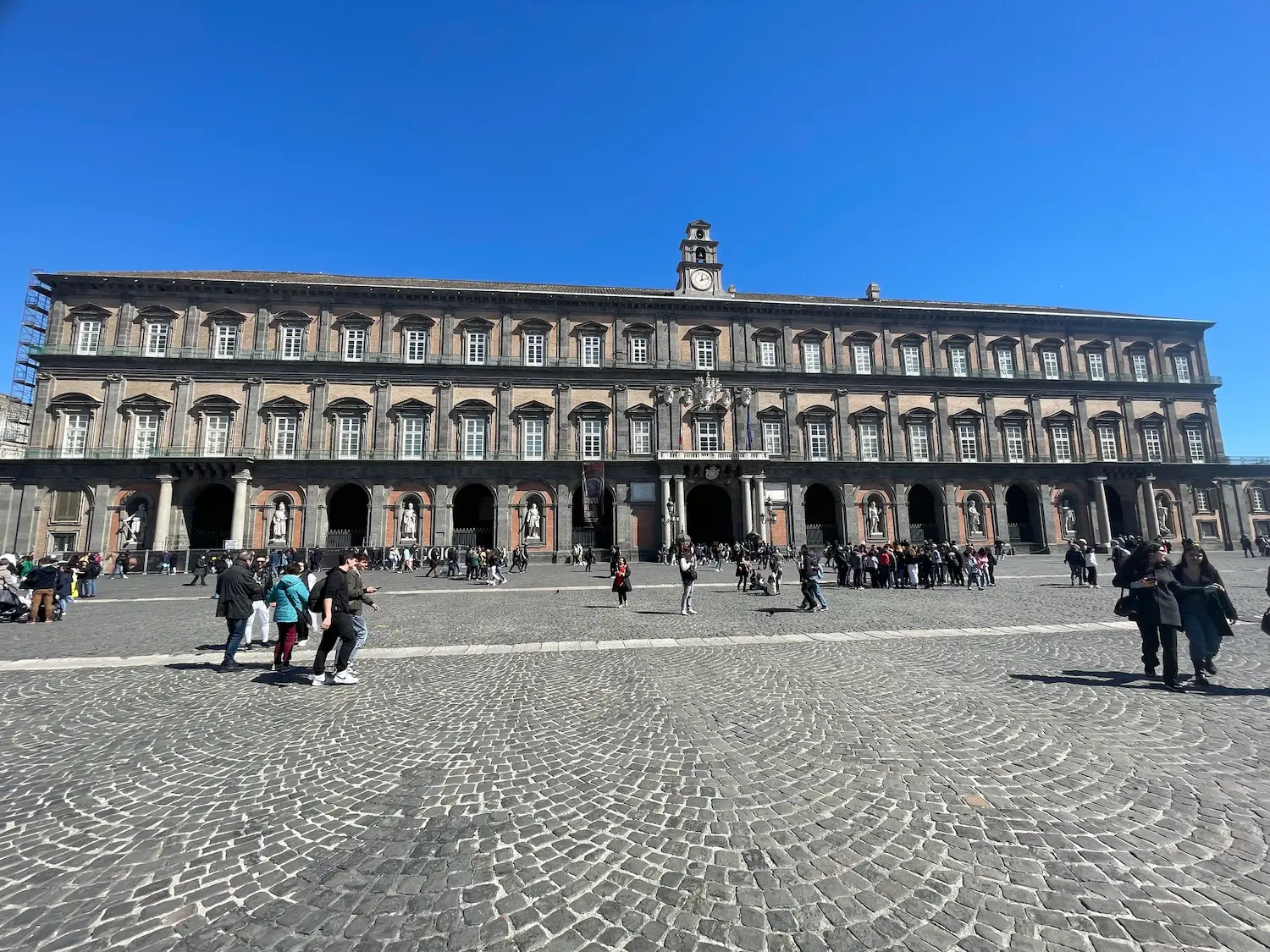
Piazza del Plebiscito is Naples' great public square - a vast neoclassical space framed by the colonnade of the Basilica di San Francesco di Paola and the facade of the Royal Palace, opening towards the sea. It is at its finest in the early morning before the tourist coaches arrive, or in the evening when Neapolitans come out to walk.
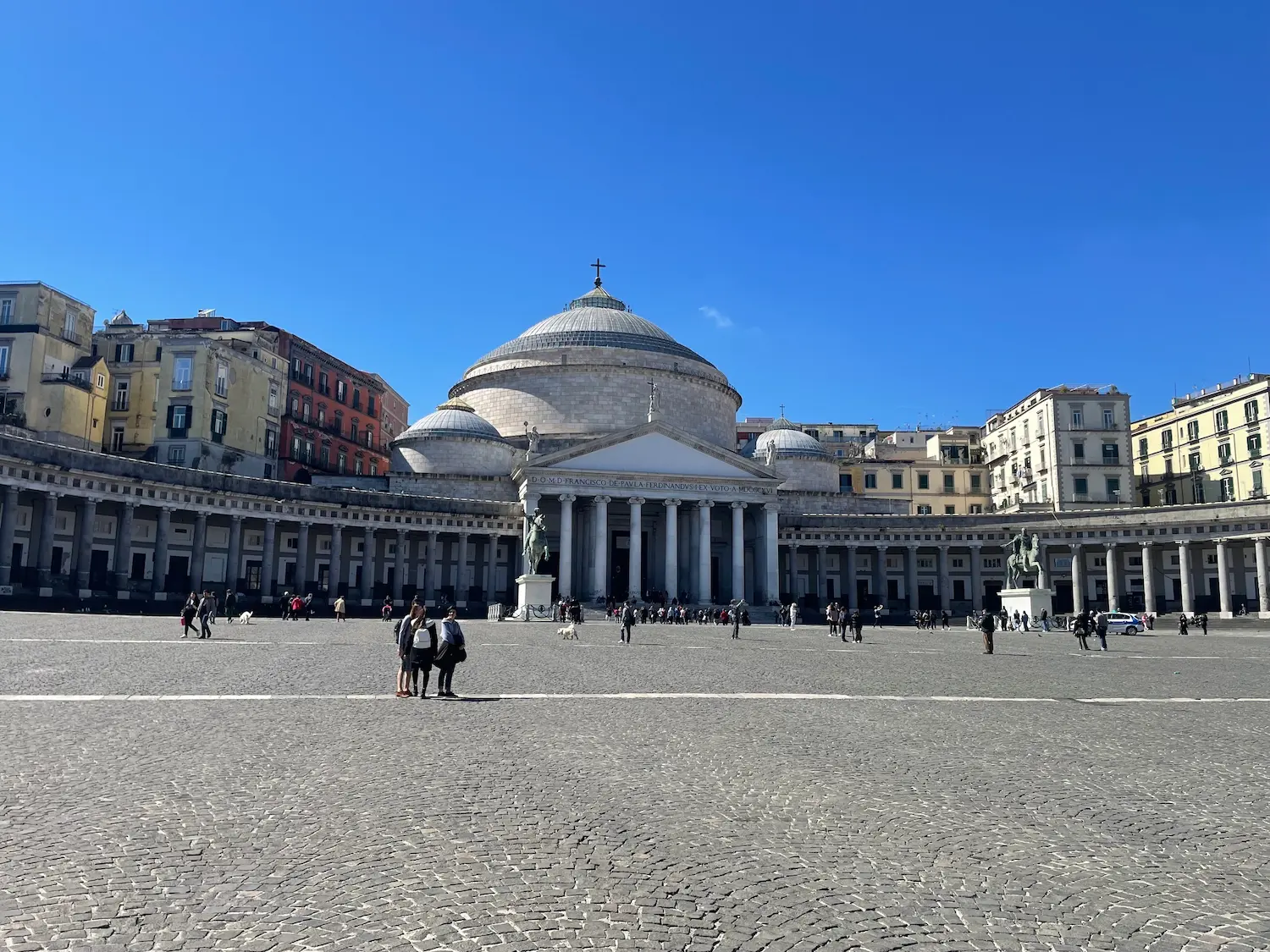
The Palazzo Reale (Royal Palace) faces the piazza - the former residence of the Bourbon kings of Naples, with lavishly decorated state apartments open to visitors. Entry around €15. Open all week 9am-7pm except Wednesdays.
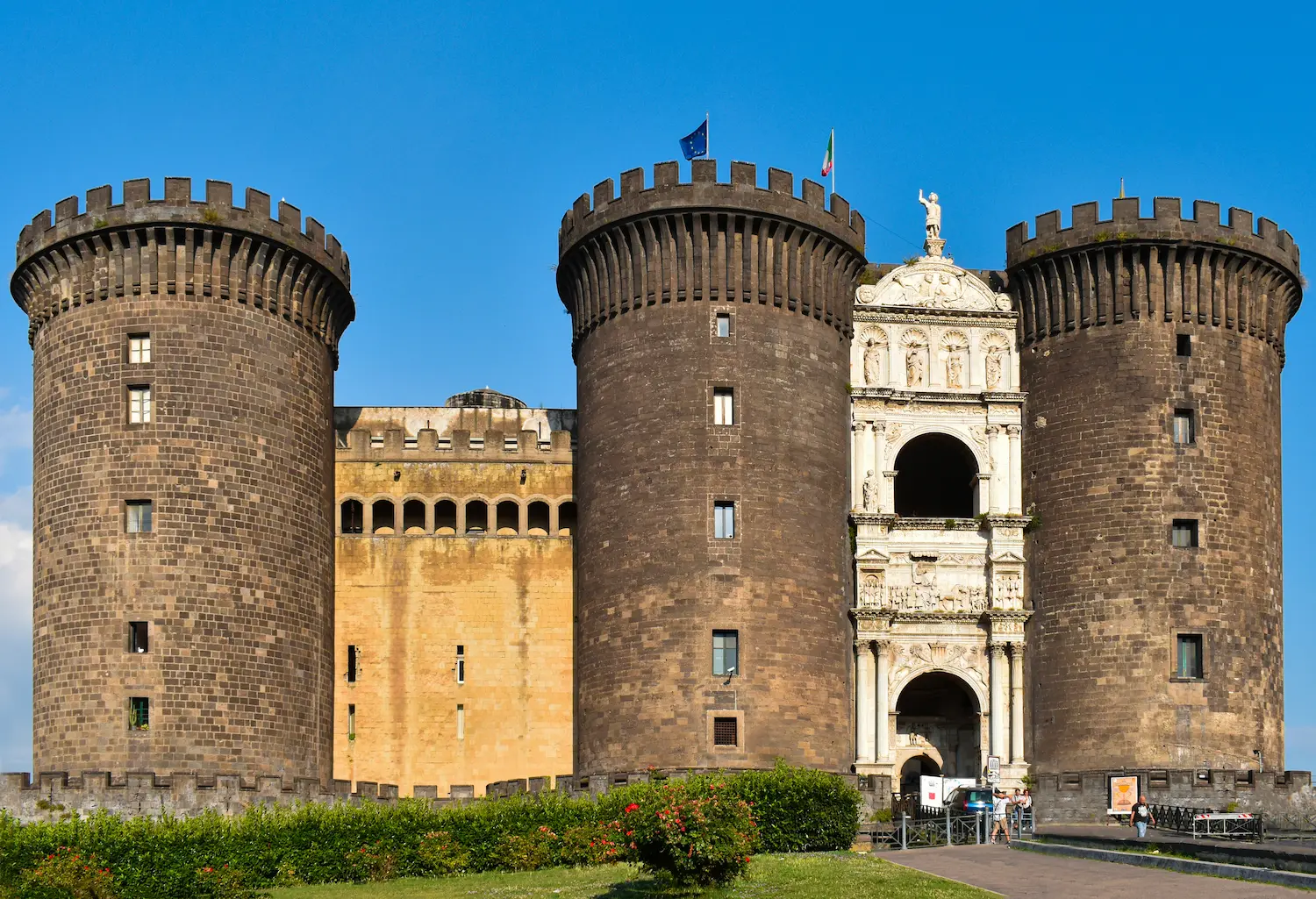
Castel Nuovo (Maschio Angioino) - the medieval castle a short walk from the piazza - has the best free view of the bay from its ramparts. €6 entry, open Monday to Saturday 8.30am-7pm (closes 6pm Nov-Mar), Sunday 8.30am-1.30pm.
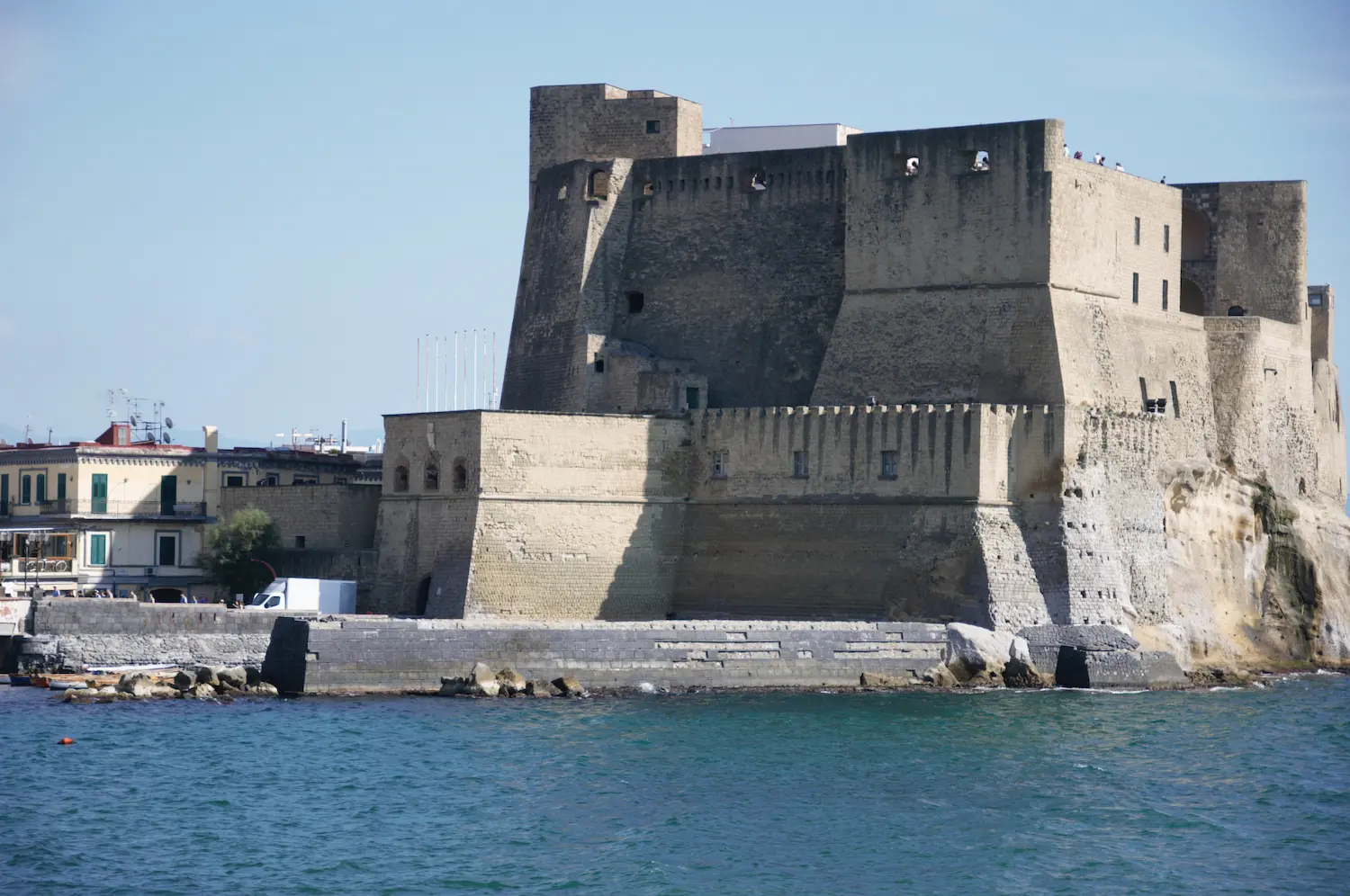
Castel dell'Ovo - the oldest castle in Naples, sitting on a small island connected to the Chiaia waterfront by a causeway - is named after an egg that the Roman poet Virgil supposedly buried in its foundations to hold the castle up. The roof terrace gives the finest free panoramic view in Naples: the bay, Vesuvius, Capri on the horizon. It is currently closed for restoration but worth checking back here for when this changes.
The Lungomare Caracciolo — the seafront promenade below the castle - is where Neapolitans walk in the evenings. One of the great urban waterfronts of southern Europe, with Vesuvius across the water.
Naples Underground - Napoli Sotterranea
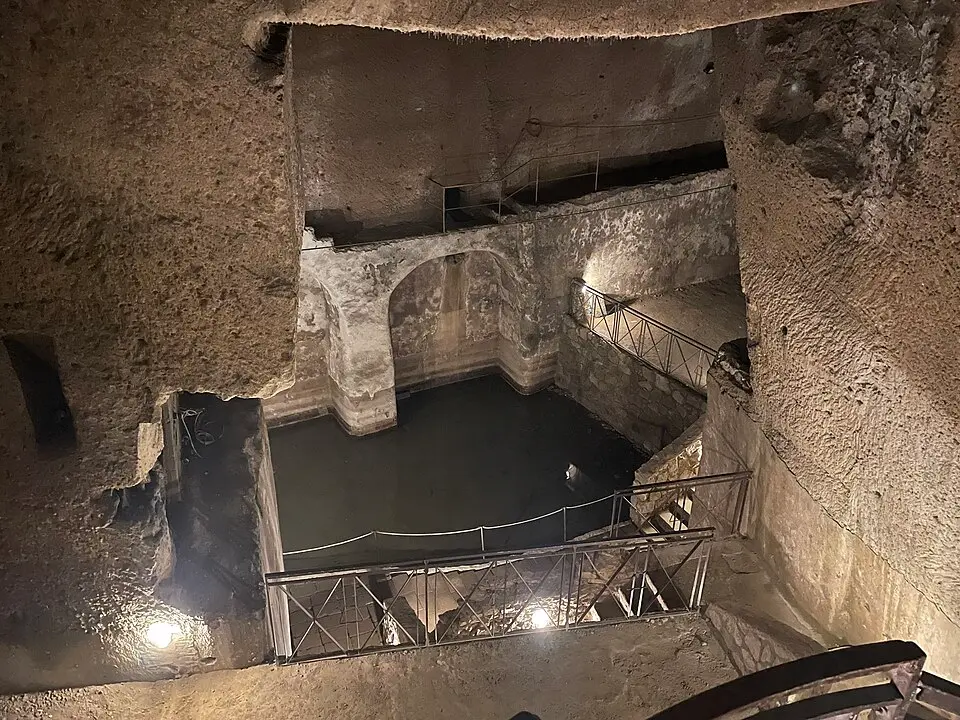
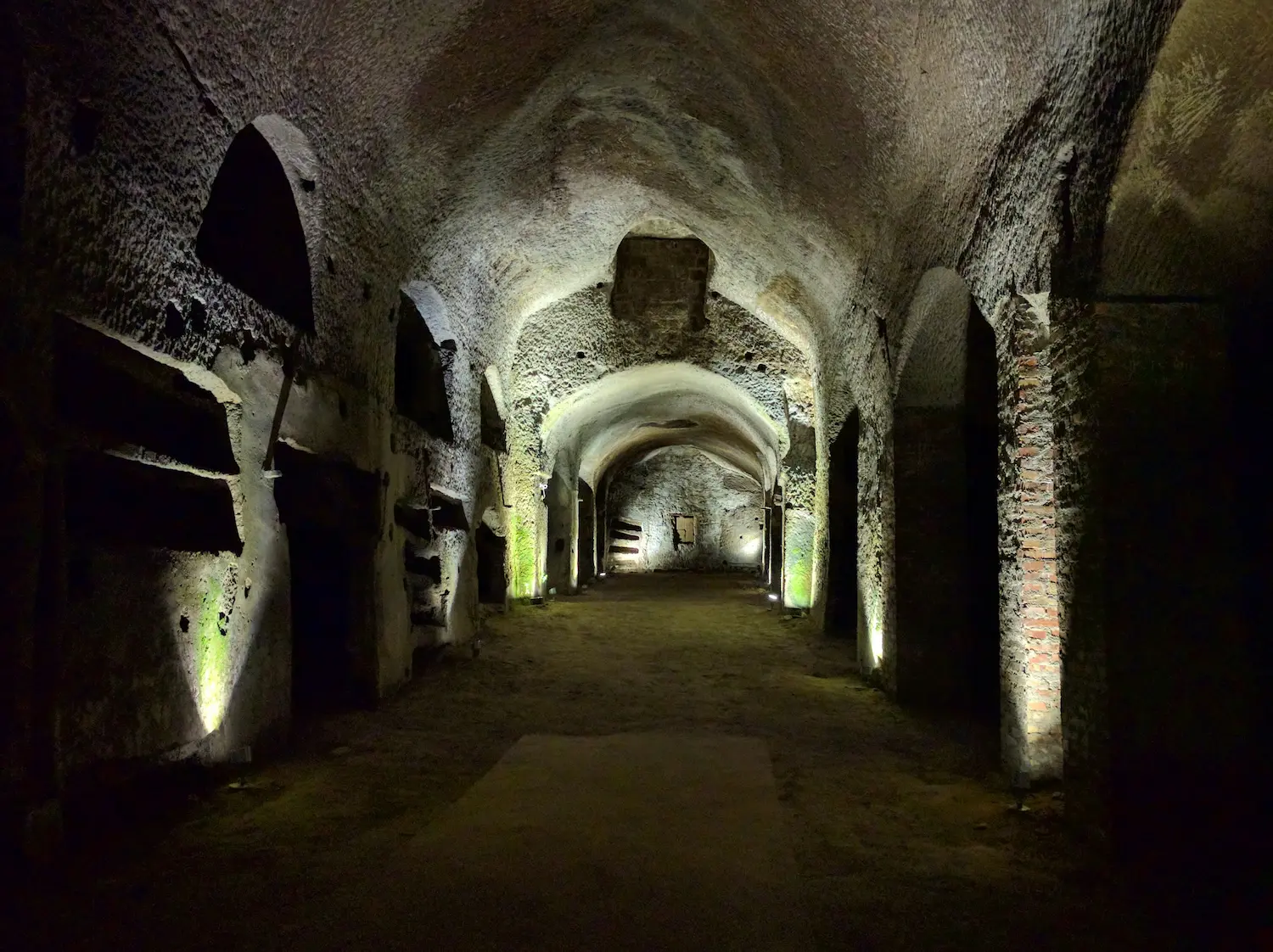
Beneath the streets of Naples lies another city entirely - a network of tunnels, cisterns and chambers carved from the volcanic tufa rock over 2,400 years of continuous use. Greek aqueducts became Roman cisterns, became medieval storage, became World War Two air raid shelters, and are now open to visitors as one of the most extraordinary underground experiences in Italy.
The main entrance to Napoli Sotterranea is at Piazza San Gaetano, in the heart of Spaccanapoli. Guided tours descend 40 metres below street level into tunnels that have carried water, sheltered civilians and hidden entire neighbourhoods from view throughout the city's history. Entry around €18, tours run throughout the day in English and Italian.
The Catacombs of San Gennaro in the Rione Sanità neighbourhood are a different and equally extraordinary experience - early Christian burial chambers dating from the 2nd century AD, with frescoes, an underground basilica and the tomb of the city's patron saint. Entry around €13, guided tours only.
Food - Pizza, Sfogliatella and the Street Food of Naples
Naples invented pizza. Not the round bread with toppings that appears on every continent - the specific, precise, protected thing: Neapolitan pizza, with its soft cornicione (crust), San Marzano tomato sauce, fior di latte or buffalo mozzarella, and the high-temperature wood-fired oven that produces it in 60 to 90 seconds. The best versions in the city are available on almost every block of the centro storico.
Via dei Tribunali is the pizza street - home to Sorbillo and Di Matteo, two of the most argued-over names in Neapolitan pizza. A few minutes' walk away, Da Michele and Trianon face each other across a different street and are equally legendary - Da Michele in particular, made famous internationally by Eat, Pray, Love, serves only two pizzas: margherita and marinara.
The queues at all four are long; the pizza is worth it, but there are equally good alternatives on side streets nearby with no queue at all. A margherita at a serious Neapolitan pizzeria costs around €5-7. That is the full price, not a starter.

Sfogliatella is the essential Neapolitan pastry - a shell-shaped pastry with a ricotta and semolina filling, lightly scented with citrus. The riccia version is the original and more labour-intensive - many thin, crisp layers of pastry, the kind people picture when they hear "lobster tail."
The frolla version, which came later, swaps the layered pastry for a softer shortcrust shell with an identical filling. Both are genuinely traditional rather than one being an inferior shortcut. Eat it at the counter of a bar, still warm from the oven, with a Neapolitan coffee - short, strong and served at the counter.

Friarielli are the bitter Neapolitan broccoli - sautéed with garlic, chilli and olive oil, served as a side dish or in a panino with sausage. Found everywhere, indigenous to Campania, genuinely delicious.

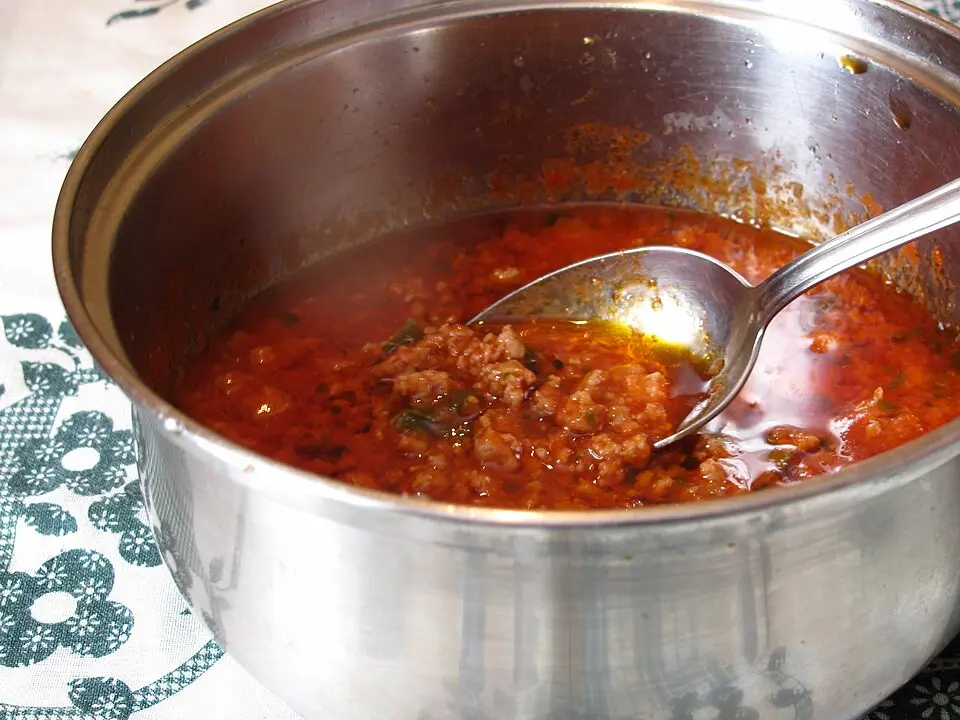
Ragù Napoletano is the city's slow-cooked meat sauce - beef braised for hours in tomato, onion and wine, served with pasta or on its own. Sunday lunch in Naples is ragù, and the smell of it cooking fills the stairwells of apartment buildings across the city from early morning.
Street food: Naples is one of the great street food cities of Europe. Pizza fritta (fried pizza), cuoppo (paper cone of fried seafood), zeppole (fried dough), crocchè (potato croquettes) - all available from street vendors and friggitorie throughout the historic centre.

Practical Information
Where to stay: The historic centre between Spaccanapoli and the Archaeological Museum puts you within walking distance of everything. The Chiaia and Mergellina neighbourhoods are quieter and more residential, good for a longer stay.
Safety: Naples has a reputation that is significantly worse than the reality for most visitors. The historic centre is busy, lively and generally safe during the day. Take the same precautions as in any major city - keep your bag in front of you, be aware in crowded areas, don't leave valuables visible in a car.
Luggage storage: Available at Napoli Centrale station. Or use Radical Storage and Bounce both have locations near the station and in the historic centre.
The Circumvesuviana: The regional train to Pompeii, Herculaneum and Sorrento departs from the lower level of Napoli Centrale - follow signs for the Circumvesuviana, not the main Trenitalia platforms. Tickets are separate and not interchangeable with Trenitalia tickets. See our articles on Pompeii and Herculaneum, and Sorrento for more details.
Best time to visit: April to June and September to October. July and August are very hot - the city remains vibrant but the heat in the historic centre can be intense. Winter is quieter and perfectly pleasant, with some reduced museum hours.
Naples as a base: The city is the natural hub for the whole of Campania - Pompeii, Herculaneum, Vesuvius, Sorrento, Capri, Ischia, Salerno, Caserta and Paestum are all reachable by train or ferry. See our complete guide to day trips from Naples by train for the full picture.
Frequently Asked Questions
How do I get from Rome to Naples by train?
High-speed trains from Roma Termini reach Napoli Centrale in around 1 hour 10 minutes. Trains run two or three times per hour. Tickets start from around €30 booked in advance via Trenitalia, Italo or Trainline - the same journey costs significantly more on the day.
Is Naples safe to visit?
Yes - the reputation is significantly worse than the reality for most visitors. The historic centre is busy and lively during the day and generally safe. Take normal urban precautions - keep bags close in crowded areas and on the Circumvesuviana. Most visitors have no problems whatsoever.
What is the Circumvesuviana?
The Circumvesuviana is a separate regional train network running from the lower level of Napoli Centrale south and east along the coast to Sorrento, stopping at Herculaneum (Ercolano Scavi), Pompeii (Villa dei Misteri) and the towns of the Sorrentine Peninsula. It is not part of the Trenitalia network - buy separate tickets at the Circumvesuviana counters.
What should I eat in Naples?
Pizza Napoletana first - on Via dei Tribunali or any serious pizzeria in the historic centre. Then sfogliatella (the shell-shaped ricotta pastry) at a bar counter with a Neapolitan coffee. Then friarielli (bitter sautéed broccoli) with sausage in a panino. Then ragù Napoletano. Naples is one of the great food cities in Europe.
How many days do I need in Naples?
Two days covers the essential city highlights - the historic centre, the Archaeological Museum, the Sansevero Chapel and the waterfront. Three days allows you to add a day trip to Pompeii or Vesuvius. A week allows you to use Naples as a hub and cover the wider region without rushing.
Do I need to book the Sansevero Chapel in advance?
Yes - book online at museosansevero.it before you travel. It regularly sells out days ahead in peak season and walk-up tickets are rarely available.
Is Naples worth visiting on its own, or only as a base for day trips?
Both. Naples has enough to fill two full days on its own merits - the historic centre, the Archaeological Museum and the Sansevero Chapel alone justify the trip. It is also the best-positioned city in Italy for day trips, with Pompeii, Vesuvius, Capri, Ischia, Sorrento and the Amalfi Coast all within 90 minutes.
Also on The Unseen Italy: Day Trips from Naples by Train · Pompeii and Herculaneum by Train · Mount Vesuvius by Train · Sorrento by Train · Capri by Ferry · Salerno and the Amalfi Coast · Ischia by Ferry