The Baths of Caracalla, the Aventine Keyhole, Villa Doria Pamphili — Rome hides extraordinary places that most visitors walk straight past. Here are six of the best.
Last verified: April 2026. Prices and transport details can change. Always check official sources before travelling.
| Hidden Gem | Best For | Cost | Time Needed |
|---|---|---|---|
| Baths of Caracalla | Ancient ruins without crowds | €8 (free 1st Sunday) | 2–3 hours |
| Catacombs of San Callisto | Underground history | €12 | 1–2 hours |
| Aventine Keyhole | Unique free experience | Free | 15 minutes |
| Giardino degli Aranci | Views over Rome | Free | 30–60 minutes |
| Villa Doria Pamphili | Peaceful walking and local life | Free | Half day |
| Parco degli Acquedotti | Ancient aqueducts and open space | Free | 1–2 hours |
🗓 Last verified: April 2026. Prices and transport details change — always check official sources before travelling.
After many visits to Rome, the places I return to most are not the famous ones — they are the hidden corners that most guidebooks overlook. While Rome is rightly celebrated for the Colosseum and Trevi Fountain, the city also hides lesser-known attractions, unusual viewpoints and local parks that offer something entirely different.
I've visited each of these places personally and included practical tips to help you plan your own visit.
If you have a little more time and want to discover other hidden gems that are a short train ride outside of Rome then take a look at Day Trips from Rome by train.
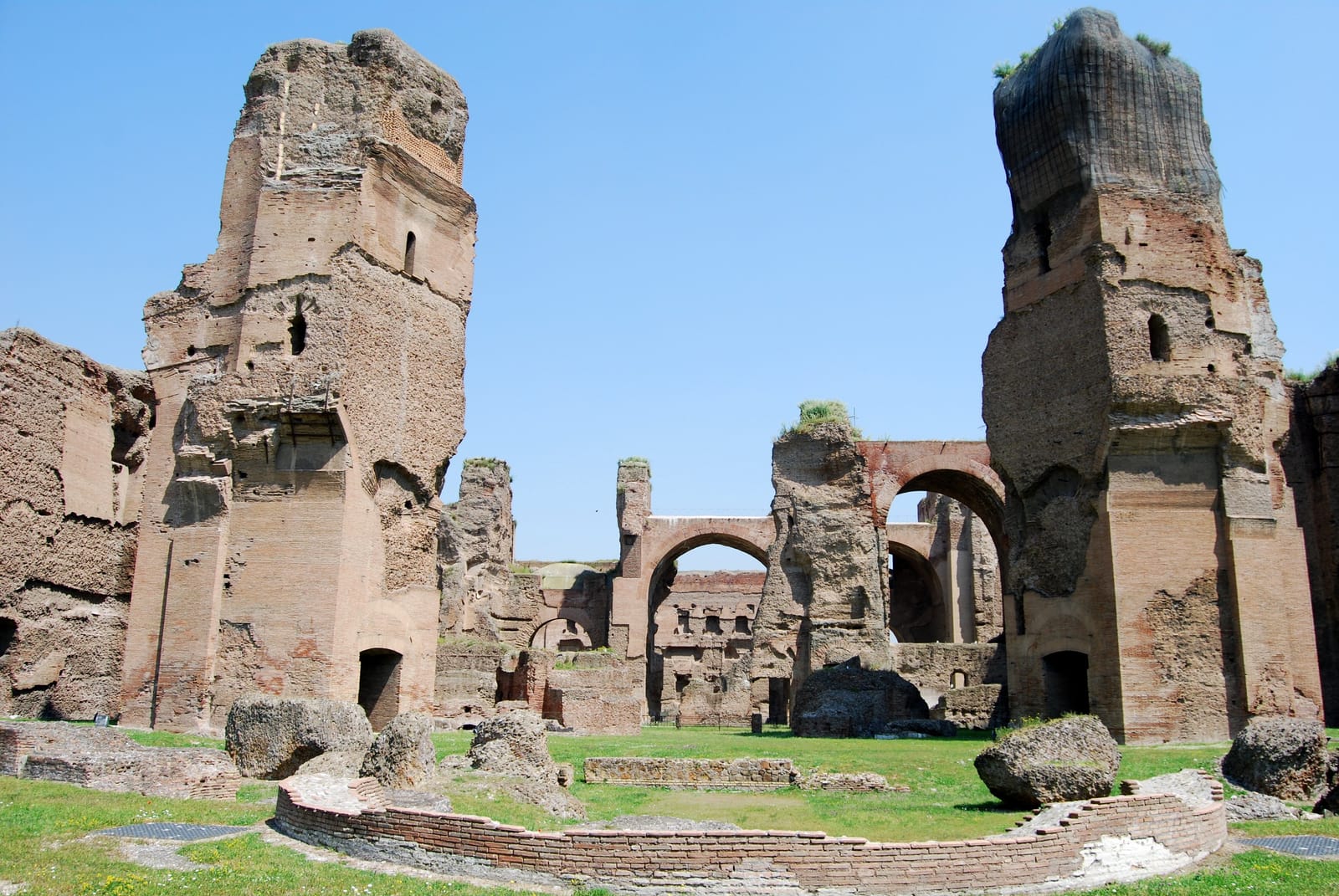
1. Baths of Caracalla — Quiet Ancient Roman Baths
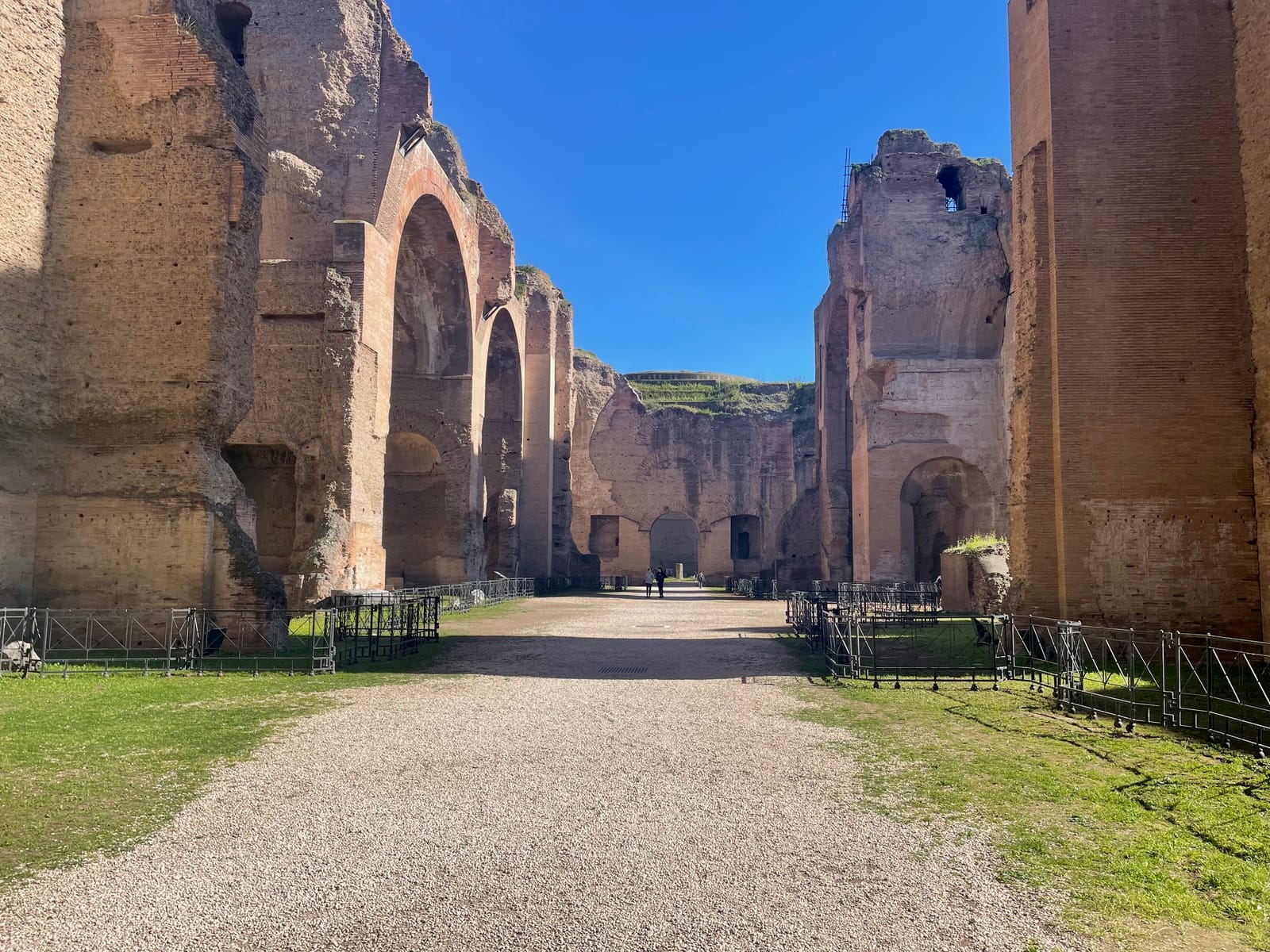
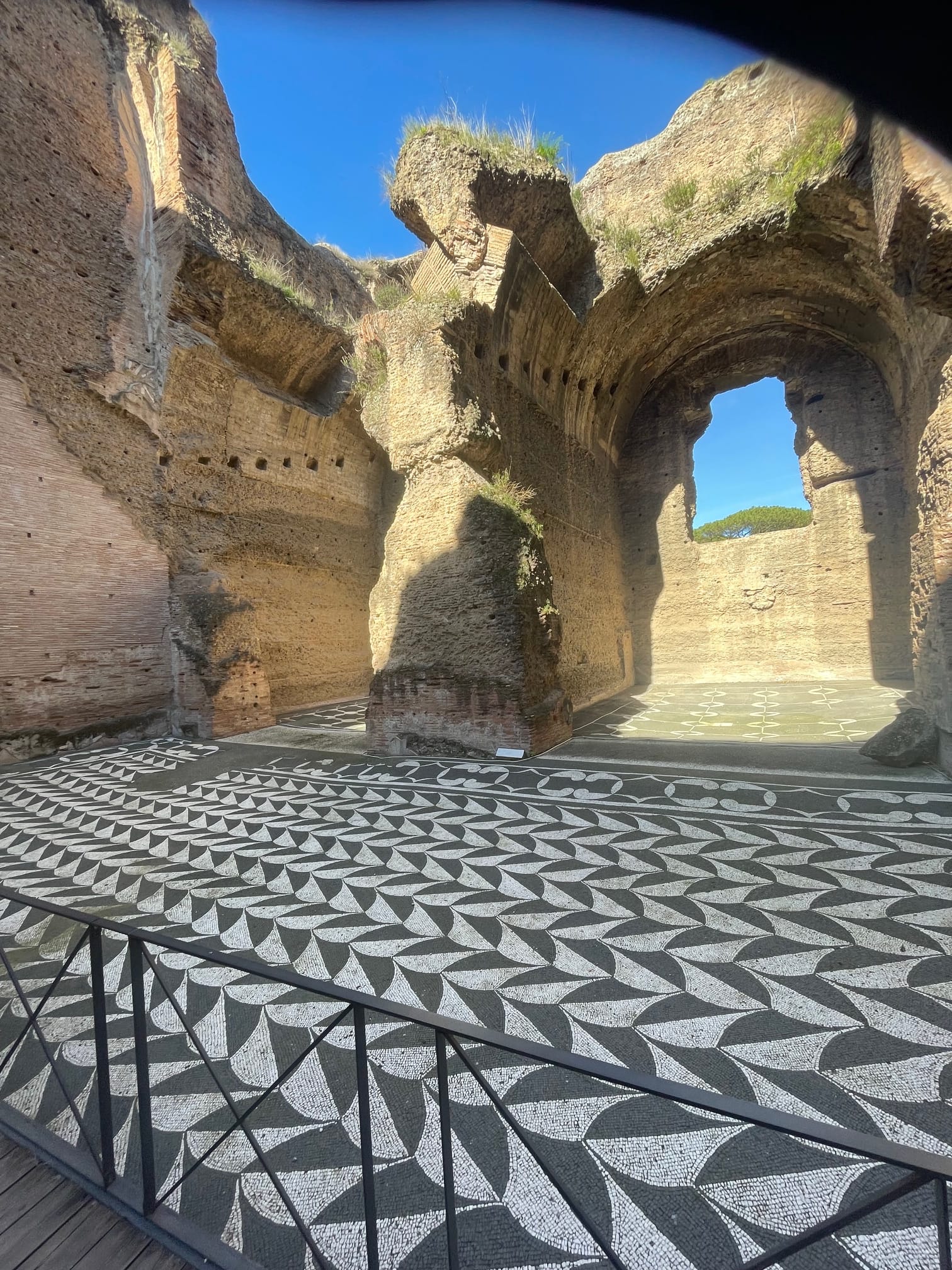
Built between 212–216 AD under Emperor Caracalla, these baths were among the largest and most luxurious public complexes in ancient Rome. They included hot baths, cold baths, gyms, libraries, and gardens. I really loved wandering through the vast ruins and seeing the detail that still exists in the mosaics. You could really imagine the scale and beauty of how the building once was. It was also really quiet, with none of the crowds you usually find at Rome's main attractions - I probably saw only 15-20 other people when I was there.
The scale of the complex is remarkable — it could accommodate up to 8,000 visitors at a time, and the remains still convey a lot of that grandeur today.
You can get access to the Baths of Caracalla in a Rome Tourist pass. Take a look at Rome passes explained: Which Tourist Pass is worth it?
| Distance from centre | 15-minute walk from the Colosseum |
| Cost | €8 — free on the first Sunday of the month |
| Opening hours | Tuesday–Sunday, 9am–1 hour before sunset. Closed Mondays |
| Getting there | Metro Line B to Circo Massimo, then 10-minute walk |
| Time needed | 2–3 hours |
| Best visited | Early morning or late afternoon |
| Where to buy tickets | Baths of Caracalla web site. You can get access to the Baths of Caracalla in a Rome Tourist Pass |
What makes it special
- Far quieter than the Colosseum but still impressive
- Beautifully preserved mosaics and floor patterns throughout
- One of the best places in Rome to photograph ancient ruins without other tourists in shot
- Excellent audio guide available on-site
2. Catacombs of San Callisto — Underground Christian Burial Sites
Dating back to the 2nd–4th centuries AD, the catacombs house early Christian tombs, frescoes, and inscriptions. Highlights include the Crypt of the Popes, where several early popes were interred. During my visit, I was surprised to learn that there are more than 60 different catacomb networks beneath Rome — most of which are never open to the public.
The temperature underground stays cool even in summer, making this one of the most welcome escapes from Rome's heat in July and August.
You can get access to Rome Catacombs through the Go City Rome Pass. Take a look at Rome passes explained: Which Tourist Pass is worth it?
| Location | Via Appia Antica, 110/126 |
| Cost | €12 adults |
| Tours | Guided tours only — book in advance |
| Getting there | Metro Line A to San Giovanni, then bus 218 |
| Time needed | 1–2 hours including the tour |
| Closed | Wednesdays and January to mid-February |
| Where to buy tickets | Catacombs of San Callisto web site. You can get access to the Rome Catacombs in a Rome Tourist Pass |
What makes it special
- An extraordinarily well-preserved window into early Christian Rome
- The guided tour brings genuine depth and context to what you see
- Naturally cool underground — ideal on hot summer days
Which catacombs in Rome are easiest to visit?
While the Catacombs of San Callisto are remarkable, they do require a bit of a trek on public transport outside of the city centre. If you'd prefer something closer and easier to reach, there are two good alternatives worth considering.
| Catacombs | Best For | Getting There |
|---|---|---|
| Catacombs of Priscilla | Early Christian frescoes including the Madonna and Child. Smaller and quieter than San Callisto | Short bus ride from the city centre |
| Catacombs of Domitilla | Frescoed tombs and an underground basilica. Slightly larger than Priscilla | Taxi or bus from the city centre |
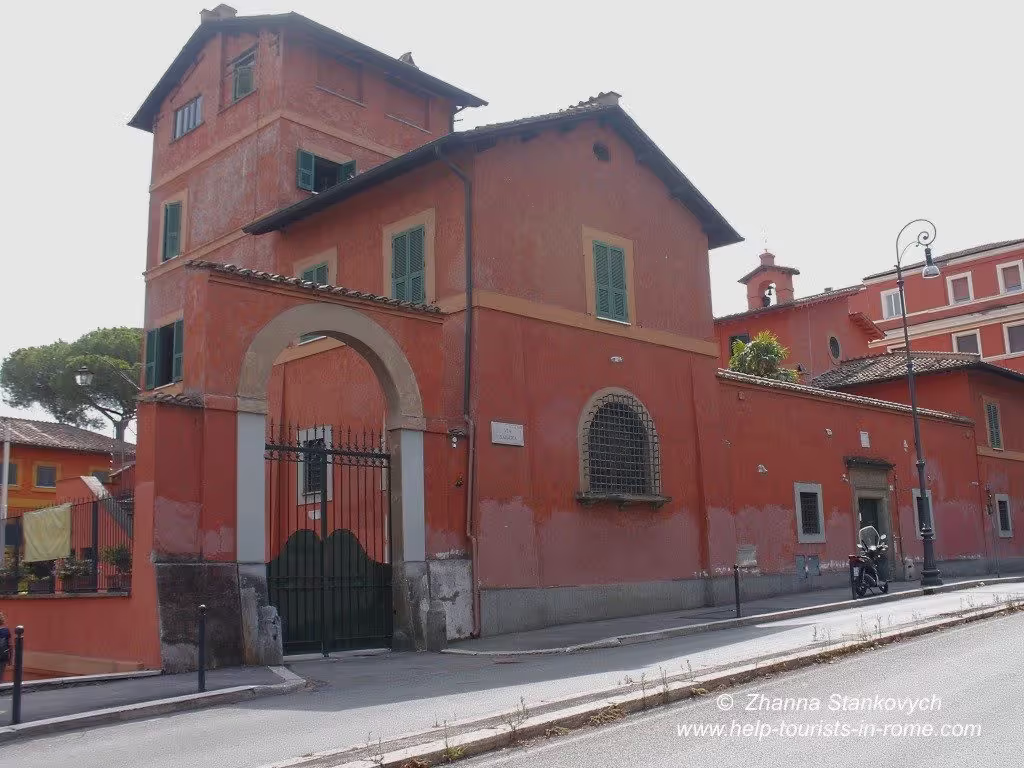
One practical note about the Catacombs of Priscilla — the entrance is through what looks like a fairly ordinary house front, so keep a close eye out for the signs or you'll walk straight past it.The photo below shows you the building
3. Knights of Malta Keyhole (Aventine Keyhole)
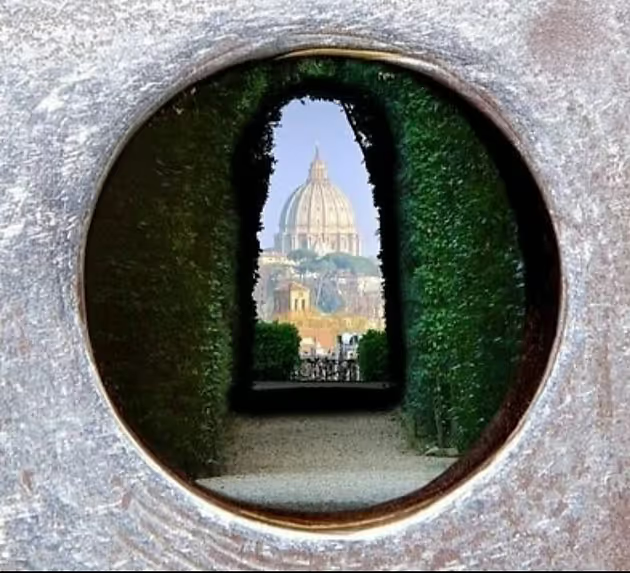
A tiny keyhole on a green wooden door of the Priory of the Knights of Malta perfectly frames St. Peter's Basilica in the distance. When I looked through the keyhole myself, I was surprised by how perfectly the basilica appears at the end of the garden path — framed by a tunnel of perfectly trimmed hedges.
It's free, unique and one of the most quietly magical things you can do in Rome. The view through the keyhole aligns three separate sovereign territories simultaneously — Italy, the Knights of Malta and Vatican City — making it one of the most unusual geographical quirks in the world.
| Location | Piazza dei Cavalieri di Malta, Aventine Hill |
| Cost | Free |
| Getting there | Metro Line B to Circo Massimo, then 10–15 minute walk uphill |
| Time needed | 15–20 minutes |
| Best visited | Early morning — short queues and beautiful light |
Combine it with
The Giardino degli Aranci (Orange Garden) is just 200 metres away — the two together make a perfect 1–2 hour Aventine Hill morning walk.
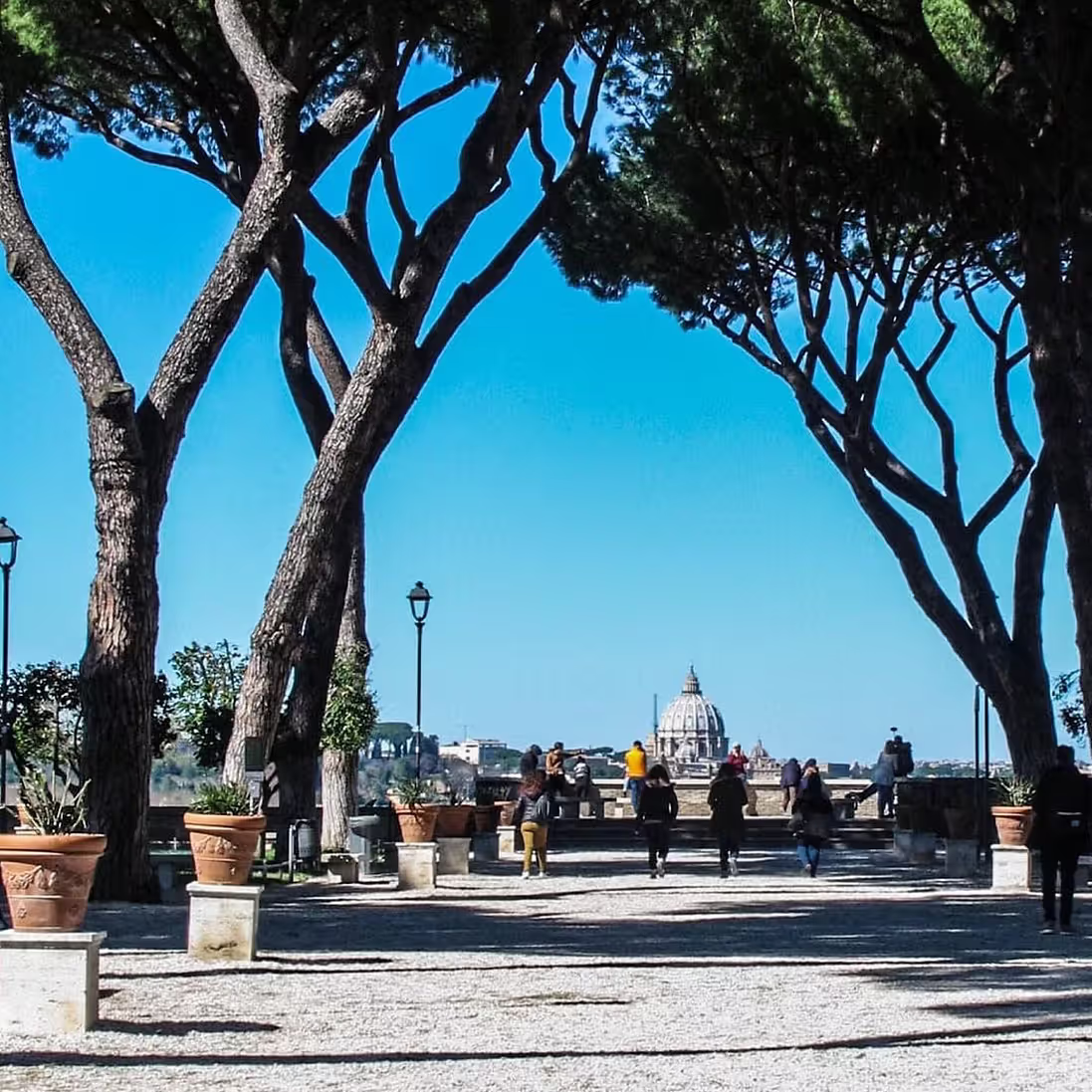
4. Giardino degli Aranci (Orange Garden)
Only about 200 metres down the road from the Aventine Keyhole, the peaceful Giardino degli Aranci offers stunning views over Rome's rooftops and the Tiber River. When I visited this quiet viewpoint on Aventine Hill, I spent a few minutes simply enjoying the panoramic view across Rome. It's one of those spots that feels like a local secret.
The garden is named after the bitter orange trees that line its pathways. In spring their blossom fills the air with a faint sweet scent that makes the whole experience even more memorable.
| Location | Aventine Hill — 200m from the Aventine Keyhole |
| Cost | Free |
| Getting there | Metro Line B to Circo Massimo, then 10-minute walk uphill |
| Time needed | 30–60 minutes |
| Best visited | Late afternoon for golden light over the rooftops |
5. Villa Doria Pamphili — Rome's Largest Park
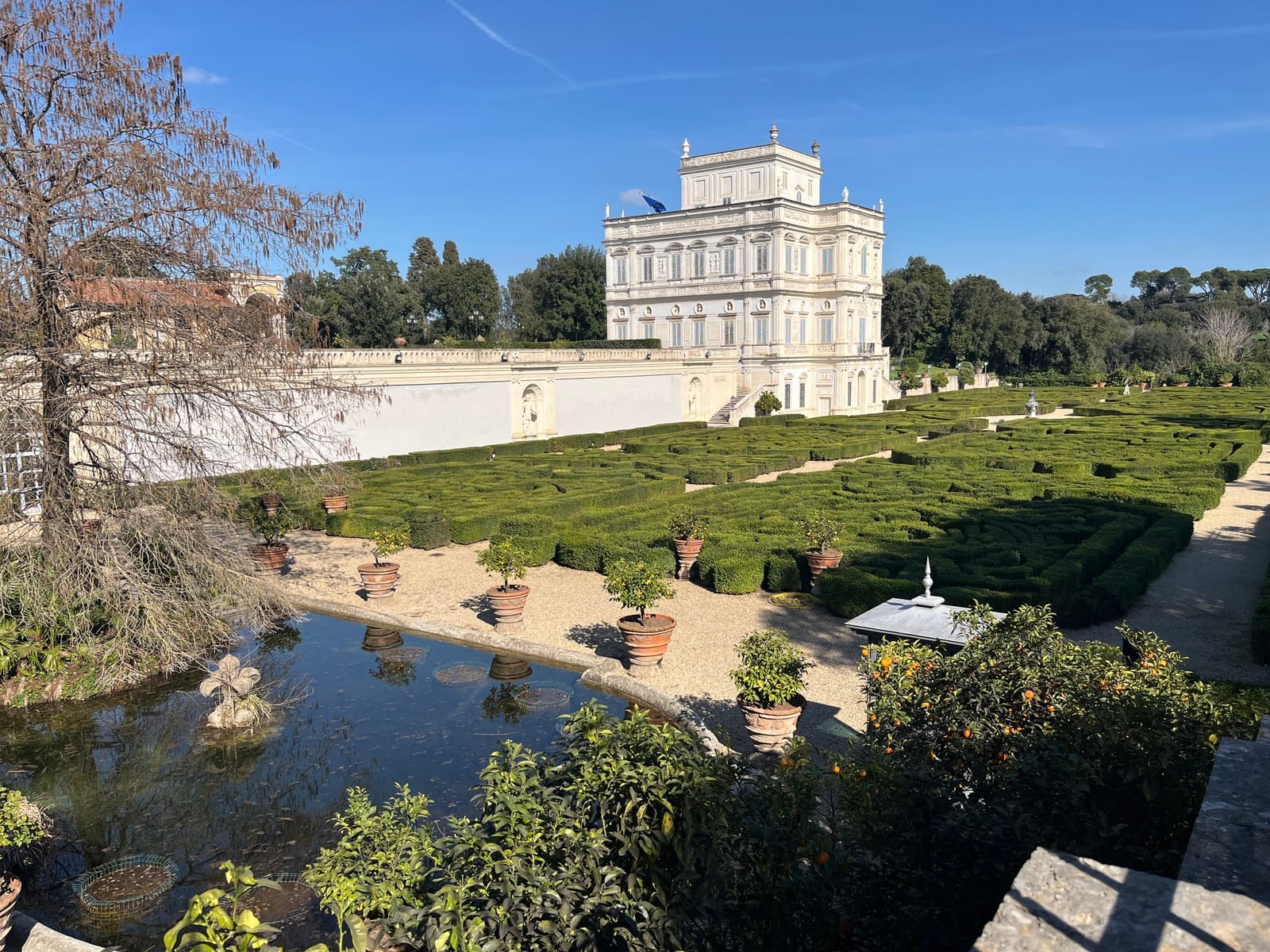
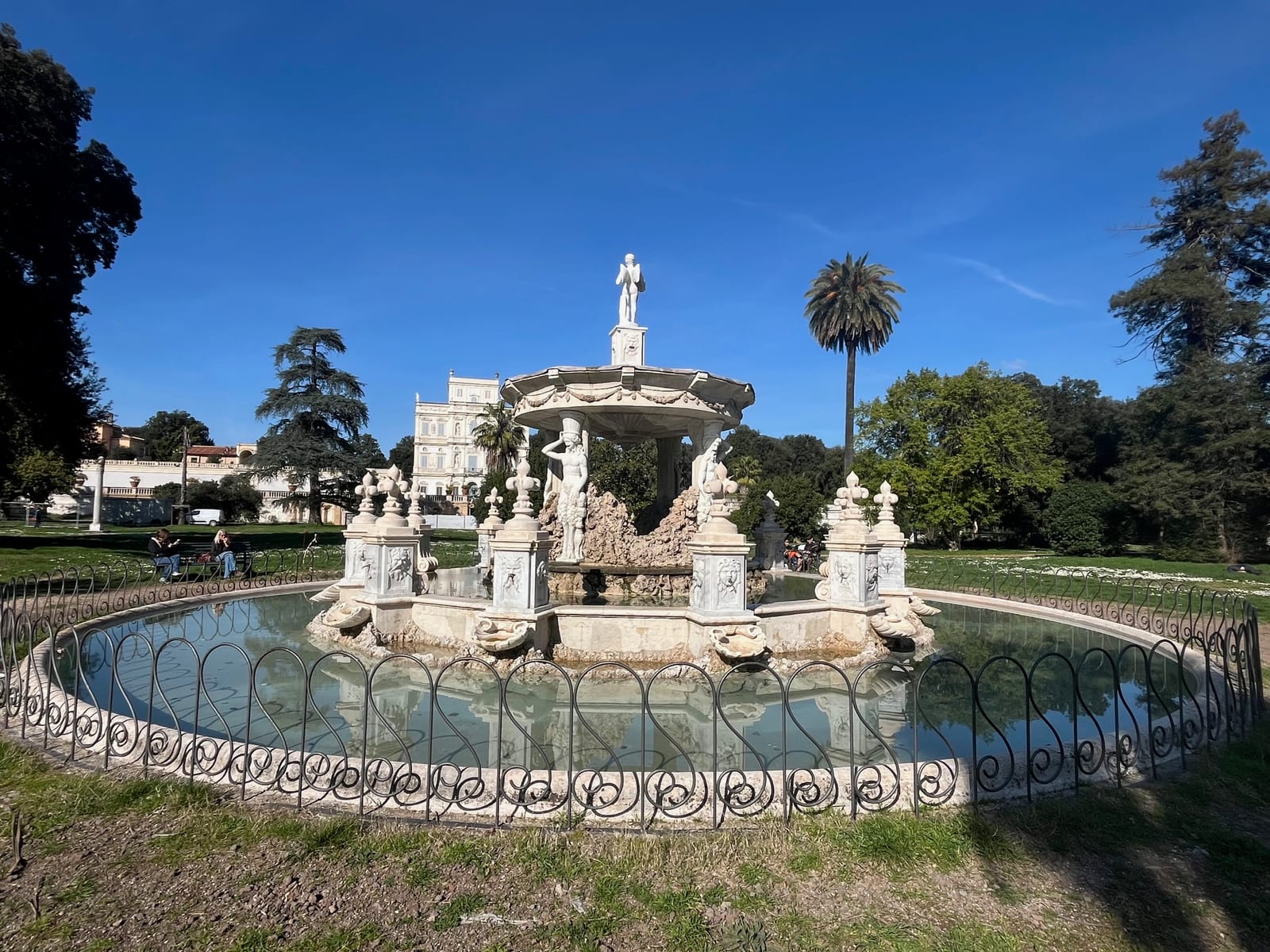
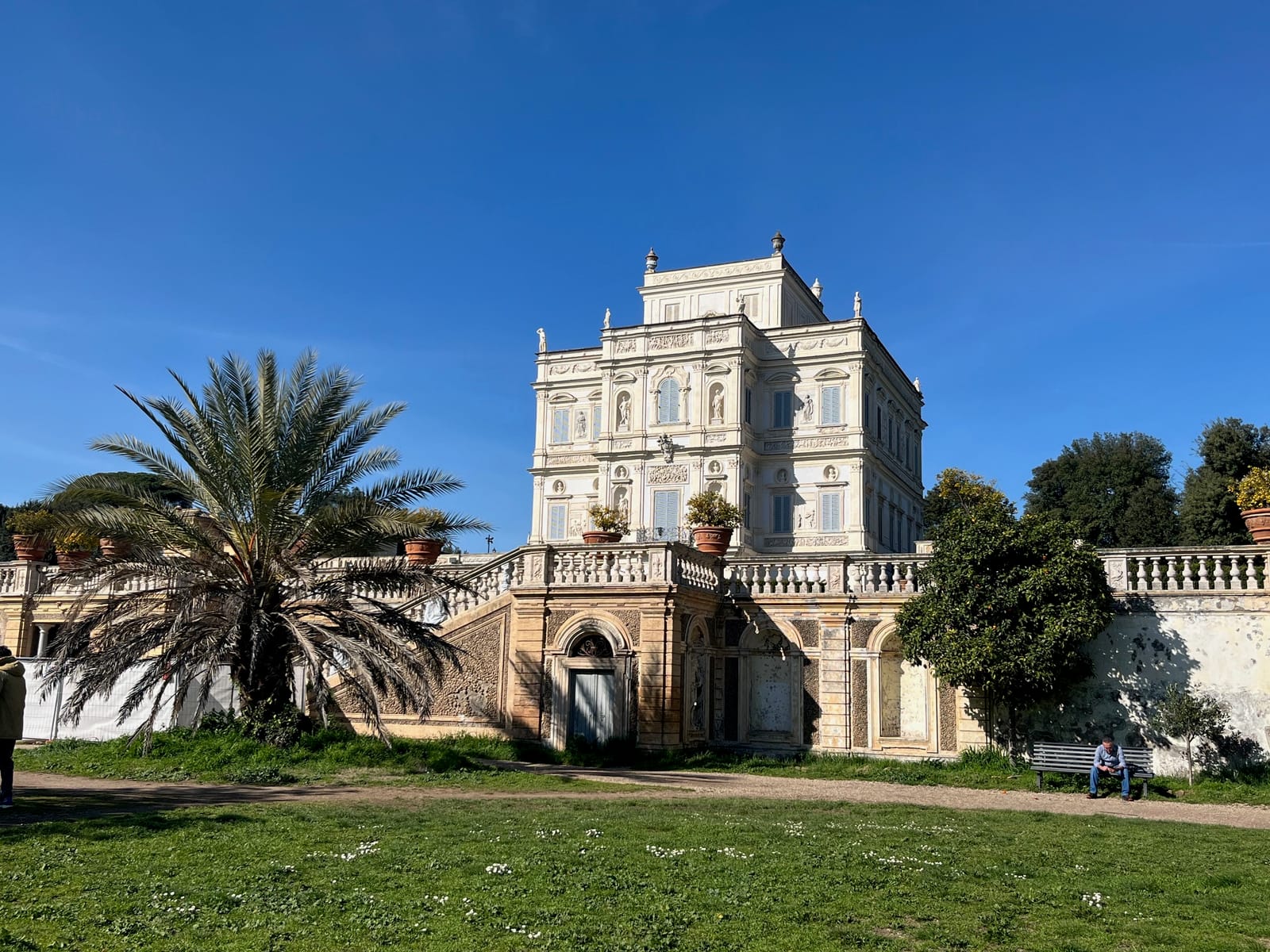
The largest landscaped park in Rome, Villa Doria Pamphili offers wooded trails, fountains, and lakes. It's so large that I visited it on two separate occasions from different directions and didn't realise it was the same park — despite walking for hours. Perfect for picnics, walking, and experiencing local life away from the tourist trail.
This is where Romans actually spend their weekends. On a Sunday morning you'll find families, cyclists, joggers, dog walkers and groups of friends gathered around the fountains — a genuine slice of everyday Roman life that most visitors never see.
| Cost | Free |
| Getting there | Tram 8 to Piazza di Porta Portese, then 10–15 min walk — or bus 44/870 |
| Time needed | Half day — it is enormous |
| Best visited | Weekend mornings for the liveliest atmosphere |
| Good for | Families, cyclists, picnics, running |
6. Parco degli Acquedotti
This park features impressive ancient aqueduct ruins stretching across open fields. I visited on a sunny weekend and there were locals playing football, children playing, cyclists and musicians busking. It really is a beautiful spot to spend an afternoon people watching.
The aqueducts themselves are extraordinary — some sections still stand 10 metres tall, marching across the landscape much as they did when they carried water into Rome nearly 2,000 years ago. The contrast between the ancient stonework and the everyday park life around it is one of those peculiarly Roman experiences you don't find anywhere else.
| Cost | Free |
| Getting there | Metro Line A to Giulio Agricola |
| Time needed | 1–2 hours |
| Best visited | Sunrise or sunset for dramatic photography |
| Good for | Photography, picnics, cycling, people-watching |
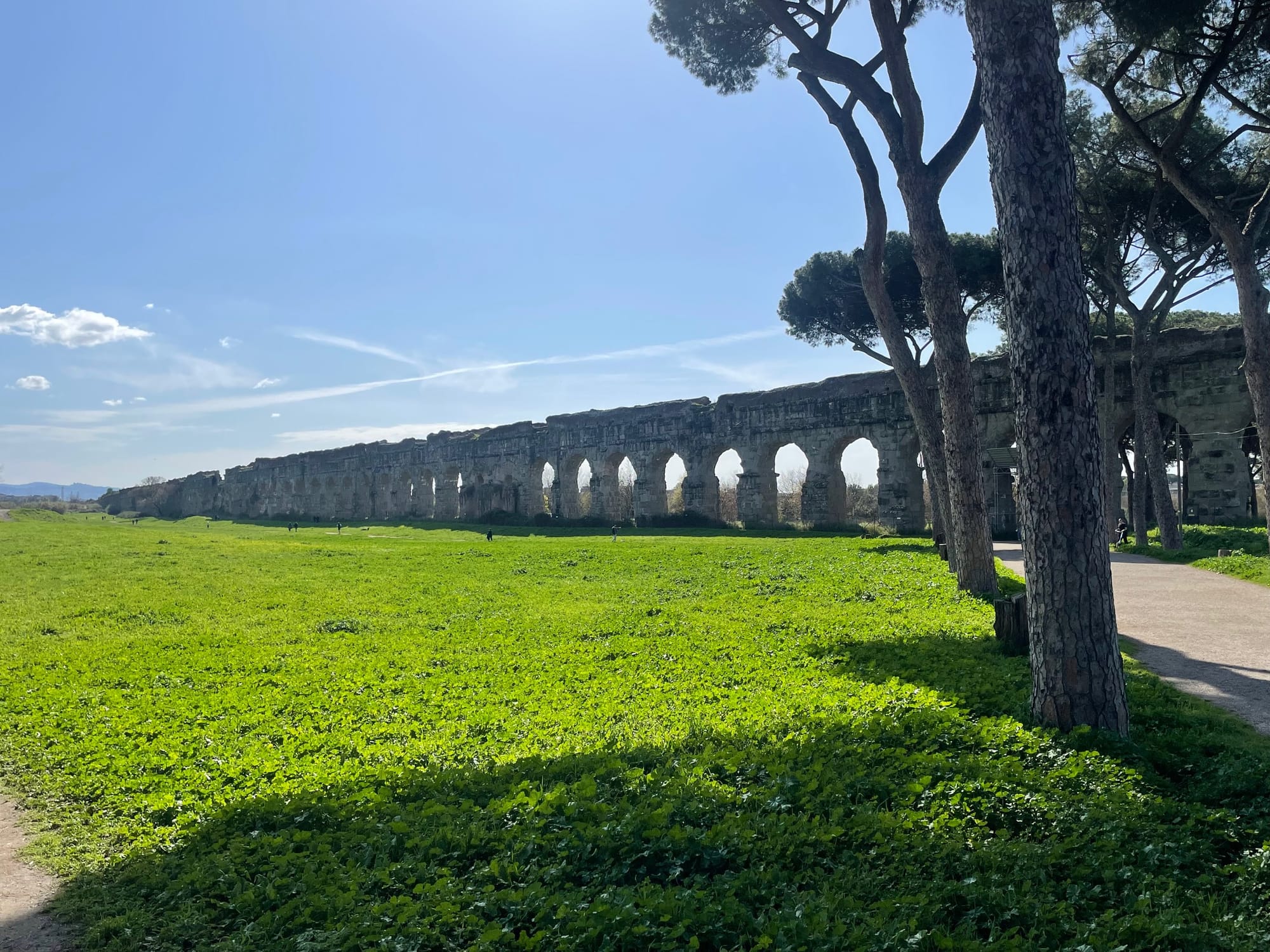
Photography tip
The aqueducts face west, making late afternoon the best time for photography. On clear evenings the stonework glows warm gold in the setting sun.
Best Time to Visit Hidden Gems in Rome
The best time to explore Rome's hidden attractions is early morning or late afternoon, when temperatures are cooler and tourist crowds are smaller.
- Spring (March–May) — the most pleasant conditions for outdoor parks and gardens. The Orange Garden is at its best when the blossom is out in April
- Summer (June–August) — early mornings are essential to avoid the heat. Underground sites like the Catacombs offer natural cool relief
- Autumn (September–November) — excellent conditions with warm light and smaller crowds than summer
- Winter (December–February) — parks and outdoor spaces stay quiet. Indoor sites like the Baths of Caracalla are comfortable year-round
How to Combine These Hidden Gems
Several of these places sit close enough together to combine into a half-day itinerary without needing transport between them.
Aventine Hill half-day: The Aventine Keyhole and the Giardino degli Aranci are 200 metres apart — combine them into a single 1–2 hour morning walk. The Baths of Caracalla are a 10-minute walk downhill from Circo Massimo and can easily be added for a full morning out.
Appia Antica day: Parco degli Acquedotti and the Catacombs of San Callisto are both on or near the Via Appia Antica corridor and can be combined into a full day with lunch at one of the trattorias on the ancient road.
Frequently Asked Questions — Hidden Gems in Rome
What are the best free hidden gems in Rome?
The Aventine Keyhole, Giardino degli Aranci, Villa Doria Pamphili and Parco degli Acquedotti are all completely free to visit. The Baths of Caracalla offer free entry on the first Sunday of every month.
What is the best way to get around Rome?
Rome has an excellent Metro system and beyond that an excellent bus network - with affordable tickets that are easy to buy, and often included in Rome Tourist Passes.
Which hidden places in Rome are best for photography?
Parco degli Acquedotti offers the most dramatic photography, particularly at sunset when the ancient stonework glows golden. The Aventine Keyhole is one of the most photographed spots in Rome - so not really hidden, but does provide an iconic shot of St Peter's Basilica. The Giardino degli Aranci offers sweeping rooftop panoramas perfect for wide shots across the city.
Are Rome's hidden gems suitable for children?
Villa Doria Pamphili and Parco degli Acquedotti are both excellent for children — large open spaces with room to run, cycle and explore. The Catacombs are suitable for older children (8+) who are comfortable in enclosed underground spaces. The Baths of Caracalla work well for children who enjoy wide open archaeological sites without the intensity of the Colosseum crowds.
What hidden gems in Rome are open on Mondays?
All of the parks and gardens (Villa Doria Pamphili, Giardino degli Aranci, Parco degli Acquedotti) are open every day. The Aventine Keyhole is always accessible. The Baths of Caracalla are closed on Mondays. The Catacombs of San Callisto are closed on Wednesdays.
Which hidden gem in Rome is best in summer?
The Catacombs of San Callisto are naturally cool underground and offer genuine relief from Rome's summer heat. For outdoor spaces, the wooded areas of Villa Doria Pamphili provide shade even on hot days.
What should I do if I have more time while in Rome?
If you have a day spare while you are in Rome then consider doing some easy day trips from Rome by train. All easily reachable by Rome, with no hire required, and offer something completely different from the city.