From hitting the right booking window to knowing when a late train owes you a refund, these nine practical tricks can shave meaningful money off getting around Italy by rail.
Last verified: October 2026. Train times, ticket prices and refund policies change regularly. Always check official sources before travelling.
Train travel in Italy is already inexpensive compared with the UK and much of Europe, but the price for the exact same journey can still vary several times over depending on when you book, which operator you choose, and even which station you depart from. None of it requires any special insider access - just knowing how Italian train pricing actually works before you buy.
Here are our top money saving tips:
- 🎟️ Book 1-3 months ahead (if you can) on intercity and high-speed routes - prices rise in buckets as the cheapest fares sell out.
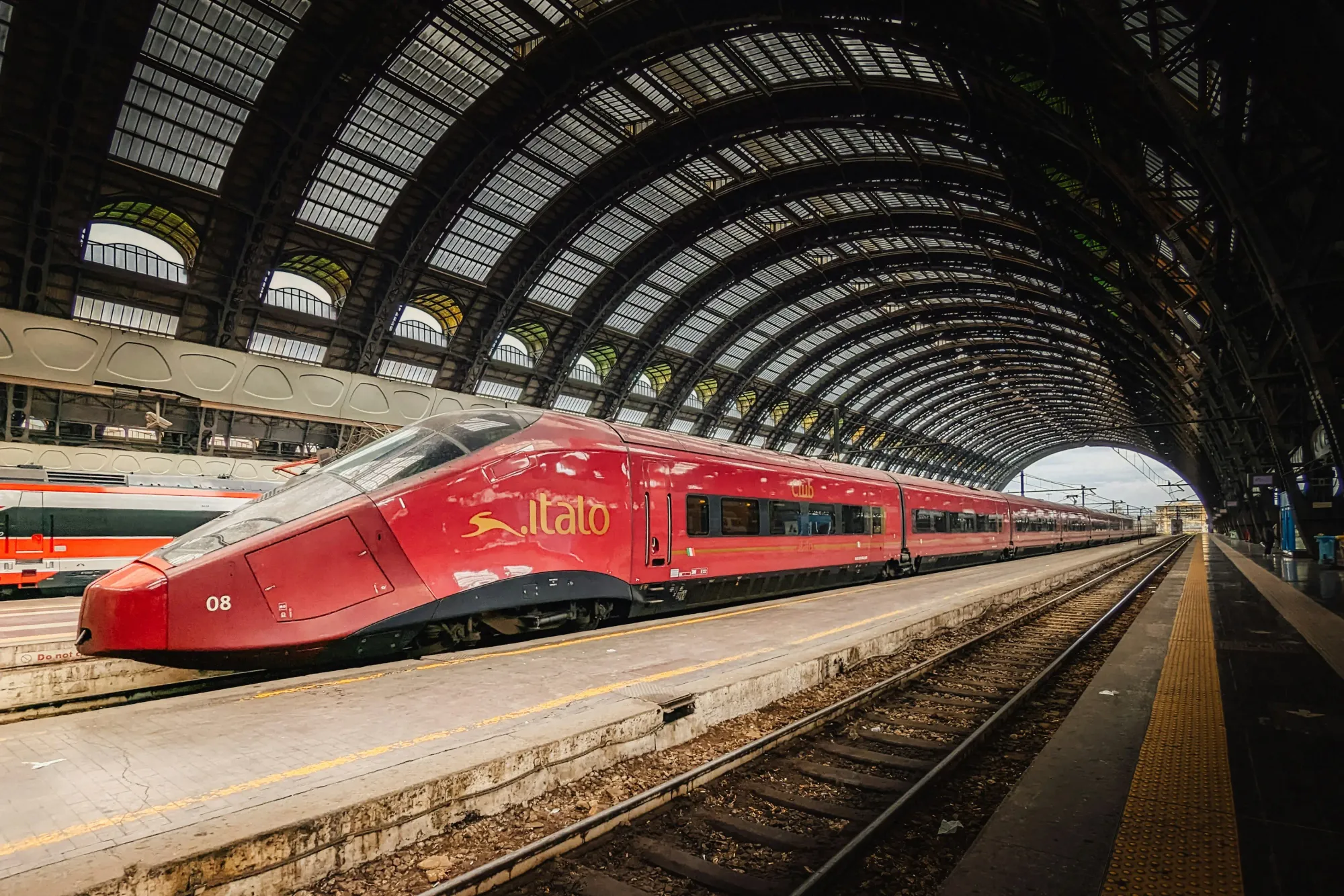
- ⚖️ Compare Trenitalia's and Italo's prices - the two main train operators in Italy.
- 🕐 Be prepared to shift your departure by 30-60 minutes prices vary more than you'd expect if you can shift your departure slightly.
- 🚉 Take the regional train for short hops - sometimes only a little slower, usually cheaper.
- 📍 Check nearby stations too - Rome, Milan and Florence each have at least two worth comparing.
- 💶 Know your delay refund rights - a late train can mean a 25-50% refund.
- 💺 Consider Premium class for comfort - not a saving, but often only a few euros more.
- 🚌 Compare the bus too - it might be cheaper, and isn't always slower.
- 🚕 Assess the best transport method for the final leg - if you're travelling in a group a shared taxi can be cheaper for your journey from the station to your final destination.
🎟️ Book at the Right Time - for high-speed trains
Unlike in the UK, the time of day you travel has relatively little effect on an Italian train ticket's price - it's how far in advance you book that matters most. Intercity or high-speed train tickets are released in price "buckets," and once the cheapest bucket sells out, the next one up kicks in.
As a rule of thumb: book one to three months ahead for the best prices, two to four weeks ahead is usually still fine, but a few days out on a popular route will cost noticeably more. You can almost always still buy a ticket on the day itself, but expect to pay more for it. This only really applies to intercity and high-speed trains, though - regional and local tickets stay a fixed price regardless of when you buy them.
⚖️ Compare Trenitalia and Italo
On most major intercity routes, Trenitalia and Italo run similar schedules at similar speeds, but their prices for the same journey can differ. A platform like Trainline makes it easy to compare both side by side in one search rather than checking two separate apps or websites. Once you've found the better price, it's worth a quick check of whether booking directly through Trenitalia's or Italo's own site or app saves you a small booking fee that third-party platforms sometimes add - usually only a euro or two, but worth it if you are booking several different train journeys.
🕐 Be Flexible With Departure Time
Prices on the same route can vary significantly just by shifting your departure by thirty to sixty minutes either way. If your plans allow any flexibility at all, it's worth checking a couple of nearby departure times before settling on one.
🚉 Choose Regional Trains for Short Journeys
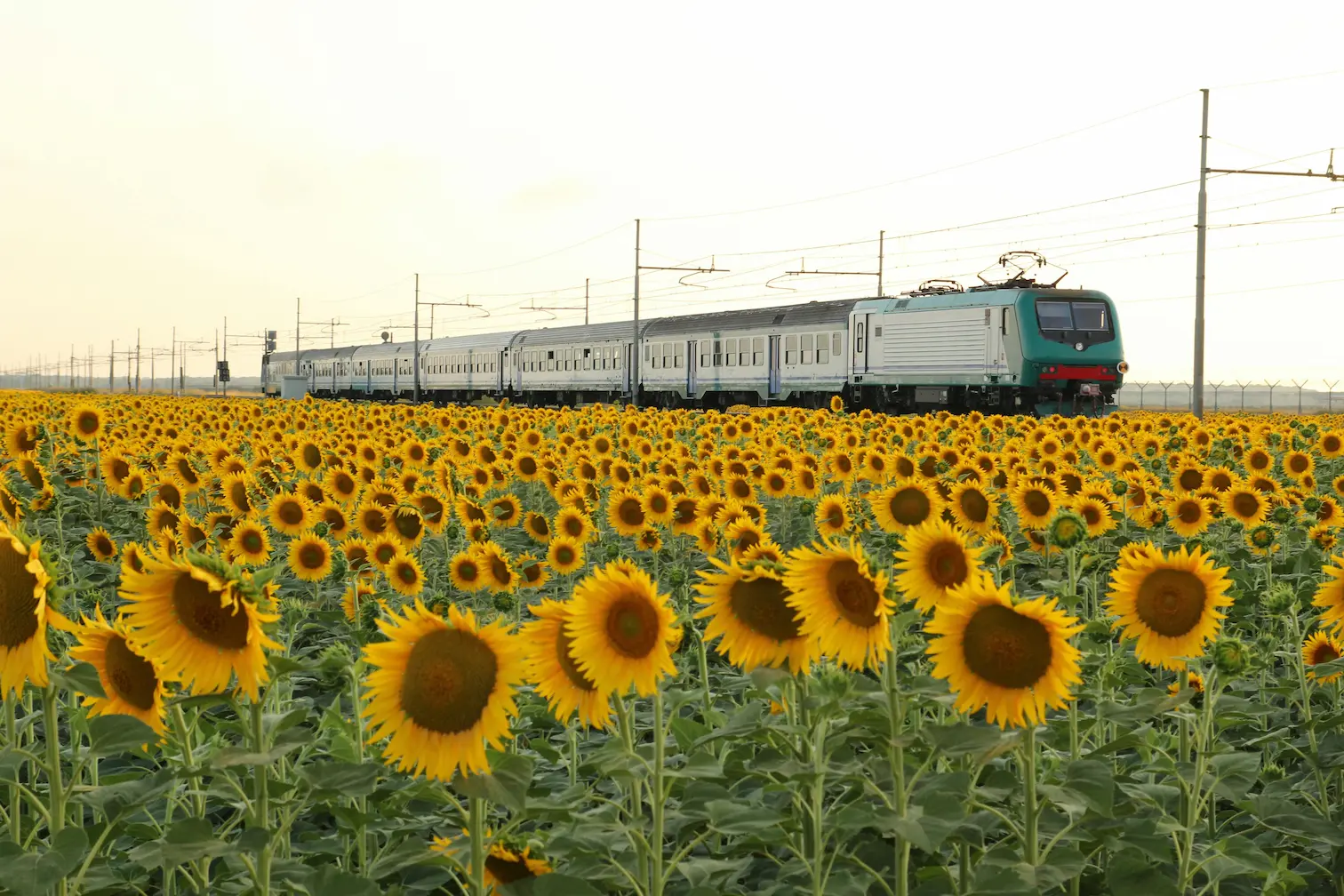
For shorter hops, a regional train is often only a little slower than the high-speed alternative but significantly cheaper. It's always worth comparing both options rather than defaulting to the fastest train, particularly on routes under an hour or so.
📍 Check Nearby Stations Too
Many Italian cities have more than one station, and checking departures from both can turn up a better price or a more convenient time. Rome's Termini and Tiburtina stations, for example, are easily linked by metro or a short train ride, as are Milan's Centrale and Porta Garibaldi, and Florence's Santa Maria Novella and Campo di Marte. It costs nothing to check both before booking.
💶 Know Your Delay Refund Rights
If your train runs late, you may be entitled to compensation - and the rules differ by operator and by how late you actually are.
| Operator / Train Type | Delay | Compensation |
|---|---|---|
| Trenitalia Intercity / high-speed | 30-59 minutes | 25% credit, valid 12 months |
| Trenitalia Intercity / high-speed | 60-119 minutes | 25% refund, cash option available |
| Trenitalia Intercity / high-speed | 120+ minutes | 50% refund |
| Trenitalia Regional | 60-119 minutes | 25% refund (ticket must be over €16) |
| Trenitalia Regional | 120+ minutes | 50% refund (ticket must be over €8) |
| Italo | 60-119 minutes | 25% refund |
| Italo | 120+ minutes | 50% refund |
Regional train refunds only kick in once a delay passes 60 minutes, unlike intercity and high-speed trains, where the clock starts at 30 minutes (only for Trenitalia). In both cases, you'll usually need to claim within a set window after your journey, so don't let the ticket sit forgotten in your inbox.
💺 Consider a Higher Class of Ticket
This one won't save you money, but it can save you hassle for not much extra cost. A Premium-class ticket on Trenitalia or Italo is sometimes only a few euros more than standard, and the carriages are usually quieter and less crowded - useful if you're travelling with luggage, since you'll have an easier time finding space to stow it. Most Premium fares also include a complimentary drink and snack.
🚌 Compare the Bus as Well as the Train
There's no fixed rule for whether the bus or the train works out cheaper on a given route - it varies. It's also worth checking the journey time rather than assuming the train is automatically faster; on some routes it isn't.
🚕 Assess the best transport option for the final leg
Once you arrive, buses and metro connections are usually the cheapest way to reach your final destination, but if you're travelling in a group, a taxi can sometimes work out cheaper per person. Many Italian cities now use ride-hailing-style apps such as Uber or Bolt, though which app is used varies from city to city, so it's worth googling it before you arrive.
Frequently Asked Questions
Is Trenitalia or Italo cheaper?
It depends on the route and when you book - the two often run similar schedules at similar speeds, but prices for the same journey can differ. You can compare both through a platform like Trainline, or checking each operator's own site directly.
How far in advance should I book train tickets in Italy?
For the best prices on intercity and high-speed trains, one to three months ahead is ideal, with two to four weeks still generally reasonable. Prices rise as the cheaper ticket "buckets" sell out, so booking only a few days ahead on a popular route usually costs more. Regional and local train tickets stay a fixed price regardless of when you book.
Can I get a refund if my Italian train is delayed?
Yes, in most cases. Trenitalia intercity and high-speed trains qualify from a 30-minute delay, rising from a 25% credit to a 50% refund the later you are. Regional trains and Italo only qualify once a delay passes 60 minutes, with similar percentage tiers.
Is it cheaper to book through Trainline or directly with the train operator?
Usually very similar, but third-party platforms like Trainline often add a small booking fee that you can avoid by booking directly through Trenitalia's or Italo's own site or app. It's worth a quick check once you've found your preferred option.
Are regional trains worth taking instead of high-speed trains?
Often, yes, especially for shorter journeys where the time difference is minimal but the price difference can be significant. It's always worth comparing both before assuming the faster train is the better choice.
Also on The Unseen Italy: How Italy's Train Network Works · First time travelling in Italy by train or bus? · Plan your Italy by train itinerary · 10 Mistakes First-Time Italy Train Travellers Make — and How to Avoid Them