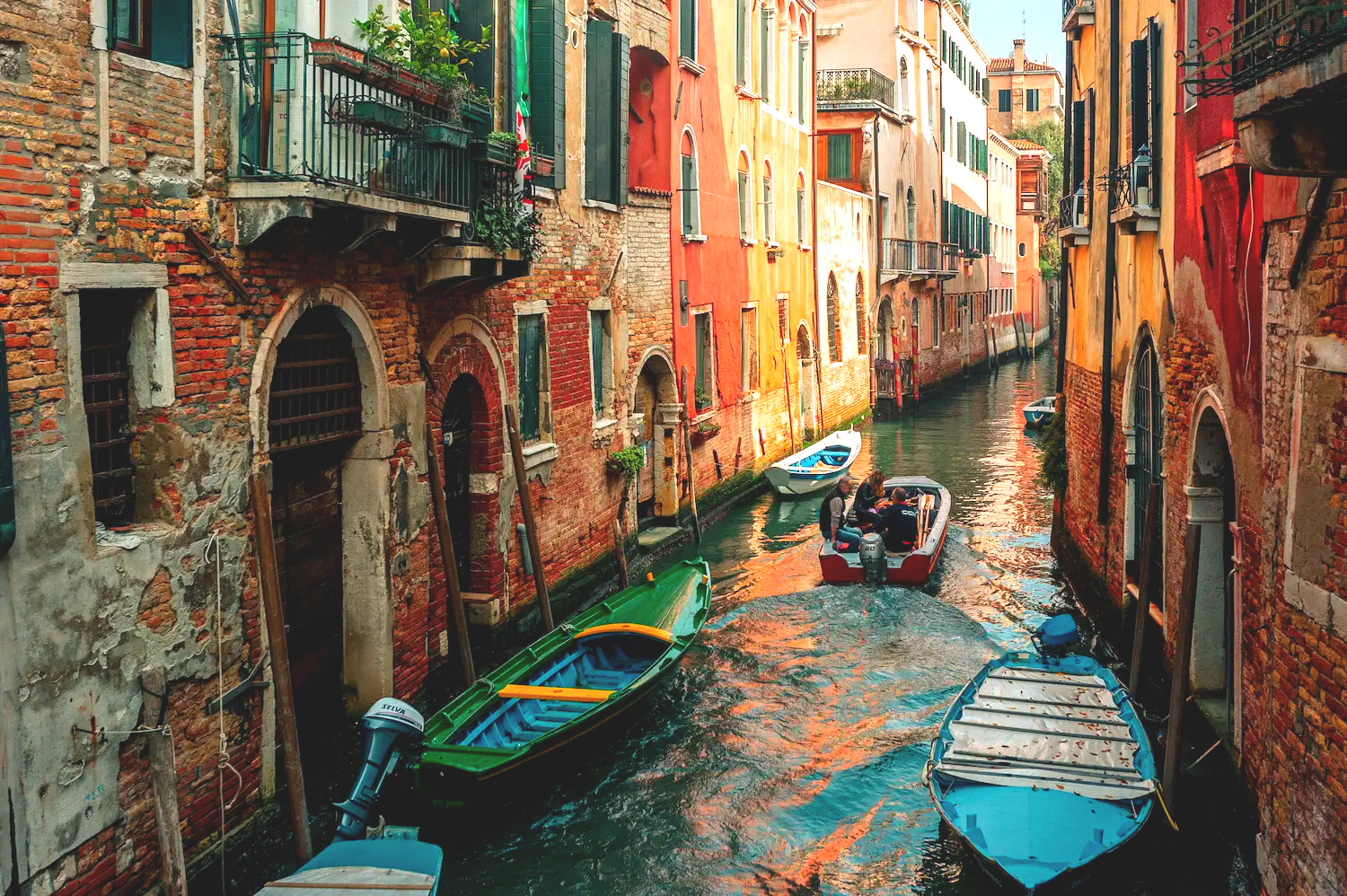
Venice is the one Italian city where car-free travel isn't a choice - it's the only option. Here's how to arrive by train, get around by foot and vaporetto, and see the city beyond St Mark's Square.
Last verified: September 2026. Train times, ticket prices and opening hours change regularly. Always check official sources before travelling.
Venice is built on water, closed to cars, and reachable from almost anywhere in Italy by a single direct train that pulls in beside the Grand Canal. It holds one of the most extraordinary public squares in the world, the largest surviving Byzantine church outside Istanbul, and an entire lagoon of outlying islands most visitors never make it to - all without a single road in or out of the historic centre.
At a Glance
| 🚆 From Milan | Frecciarossa - approx. 2h30, from ~€28 |
| 🚆 From Florence | Direct high-speed train - approx. 2h15, from ~€25 |
| 🚆 From Rome | Direct high-speed train - approx. 4h, from ~€40 |
| 🚉 Nearest train station | Venezia Santa Lucia, on the Grand Canal in the historic centre |
| 🚤 Getting around | On foot and by vaporetto (water bus) - no cars anywhere in the city |
| 🏛️ Must-see | St Mark's Basilica and the Doge's Palace |
| 💶 Access fee | Suspended since July 2026 - check before travelling as it may return Mar-Sept 2027 (not yet confirmed) |
| ⏱️ Time needed | 2–3 days minimum; a single day barely scratches the surface |
| 📅 Best time | Spring and autumn shoulder season - avoid August crowds and watch autumn/winter high water forecasts |
In This Guide
- Getting to Venice by Train
- St Mark's Square, the Basilica and the Doge's Palace
- The Rialto Bridge and Market
- The Grand Canal by Vaporetto
- The Accademia and Peggy Guggenheim Collection
- Murano, Burano and Torcello
- Venice Carnival
- Food and Drink
- Practical Information
Getting to Venice by Train
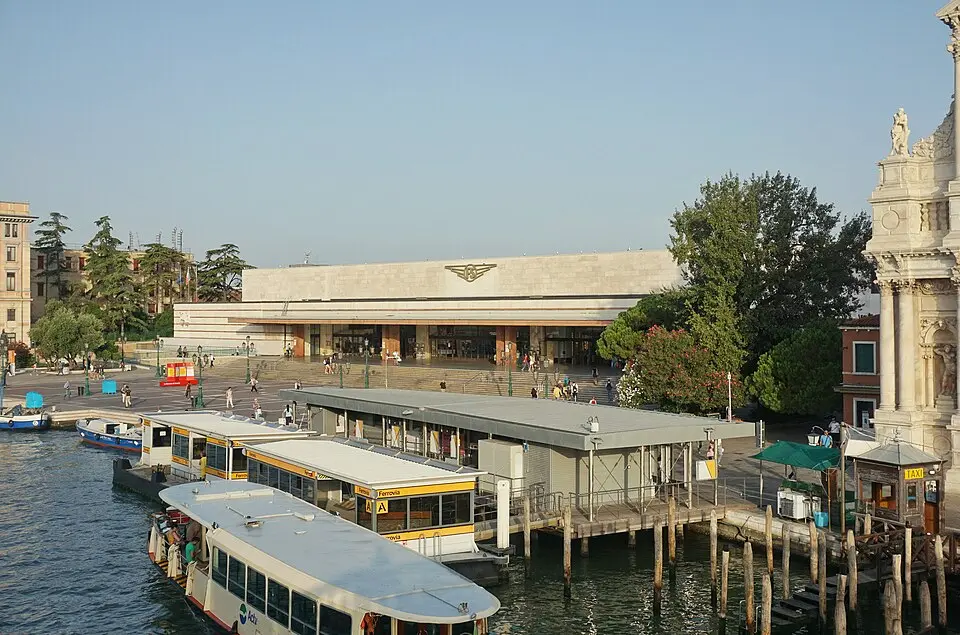
Venice is one of the easiest major Italian cities to reach without a car, because the train goes right into the historic centre. Venezia Santa Lucia station sits directly on the Grand Canal, a few minutes' walk from the Rialto and roughly half an hour on foot from St Mark's Square - so there's no transfer, no shuttle, and no need to touch a vaporetto until you actually want to.
Direct high-speed trains run from Milan (about 2h30), Florence (about 2h15), Rome (roughly 4 hours), Trieste (about 2 hours), and Bologna (around 1h30), with regional trains reaching Padua in under half an hour - see how to get to Padua by train. Every train - high-speed or regional - passes through Venezia Mestre on the mainland before crossing the causeway into Santa Lucia; always double-check you're booked through to Santa Lucia and not just Mestre.
St Mark's Square, the Basilica and the Doge's Palace
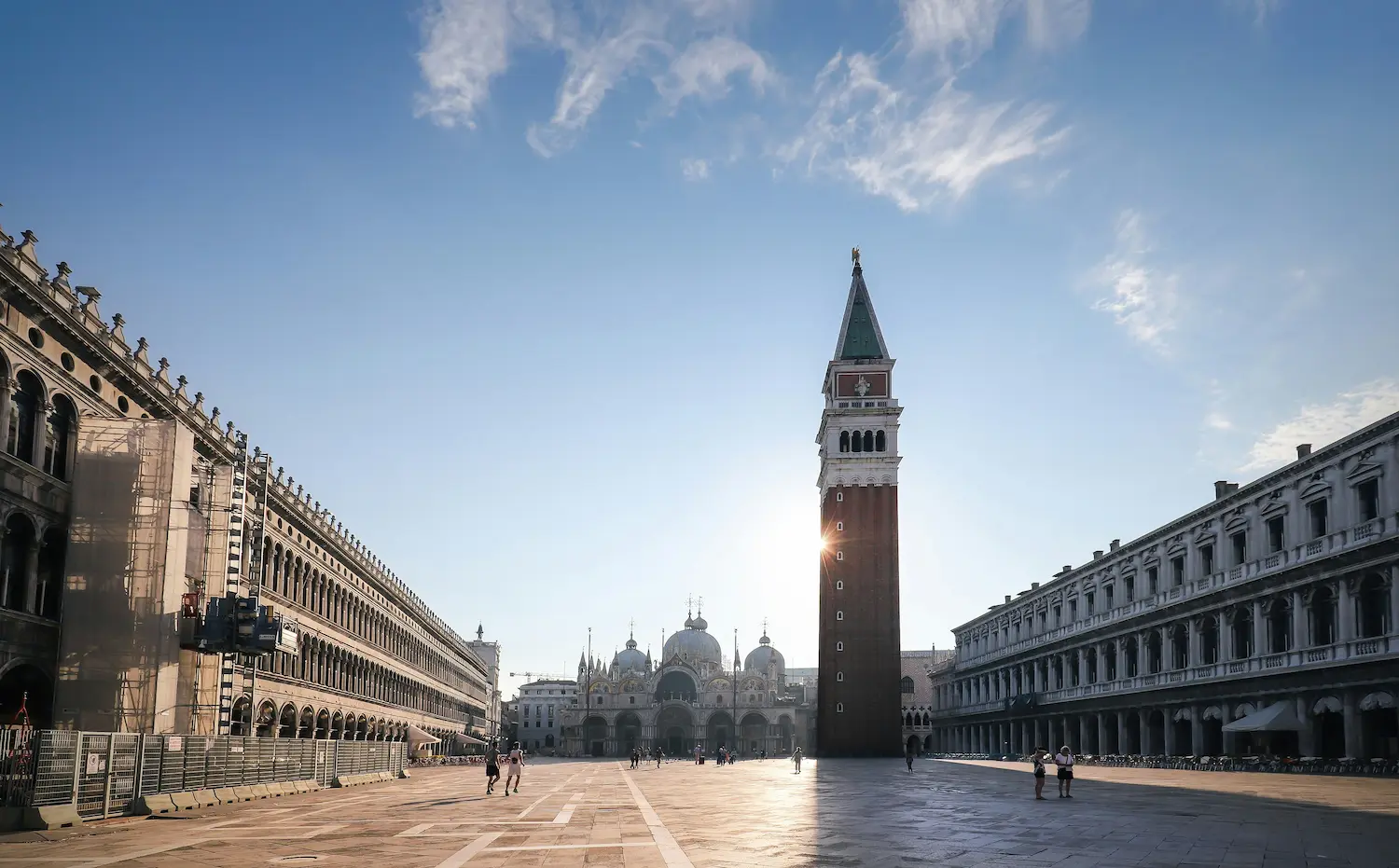
St Mark’s Square is Venice’s principal piazza, an arcaded space extending towards the lagoon. At one end stands the domed St Mark’s Basilica, its interior decorated with more than 8,000 square metres of gold mosaic, while the pink-and-white geometric façade of the Doge’s Palace runs alongside it. The basilica was largely constructed in the 11th century according to a Byzantine plan. During services, the mosaics are illuminated, highlighting the scale and detail of the interior.
The Doge’s Palace, beside the basilica, was the centre of Venetian government for centuries. Its state rooms, institutional spaces and former prisons, connected by the Bridge of Sighs, provide an insight into the political and administrative structure of the Venetian Republic. The palace is generally open daily, with opening hours varying by season, and tickets are available in combination with the basilica’s museum and other attractions in St Mark’s Square.
Both sites are at their calmest first thing in the morning, before the day-trip crowds arrive.
The Rialto Bridge and Market
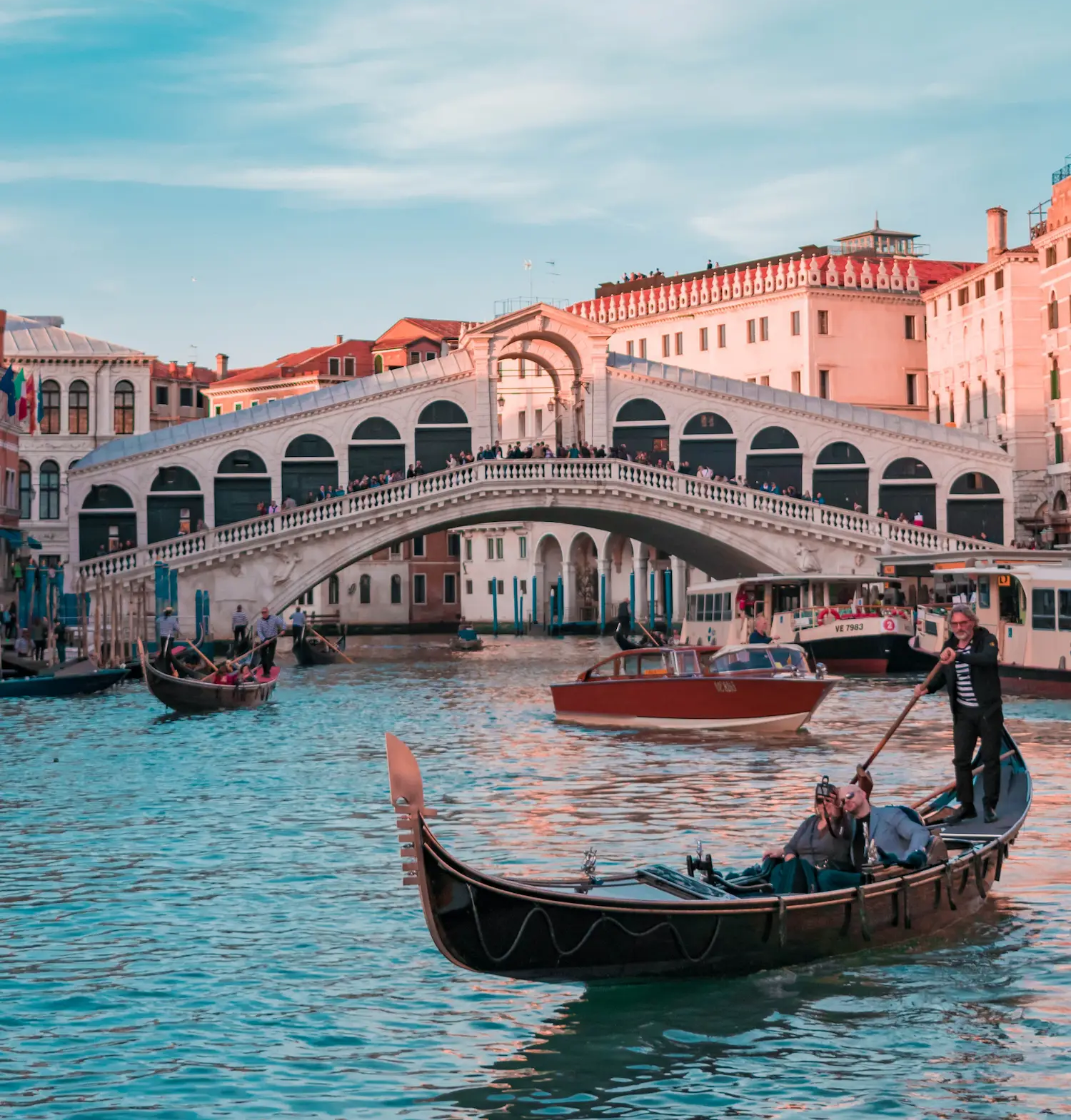
The Rialto Bridge is Venice’s historic crossing of the Grand Canal and, for centuries, was the only bridge across it. The present stone bridge was built between 1588 and 1592, replacing earlier wooden bridges, and is lined with shops and covered walkways. It connects the Rialto market area with the streets leading towards St Mark’s Square.
The Rialto market has been at the centre of Venice’s commercial life for centuries. Today, the area includes the fish market, or Pescaria, and the neighbouring fruit and vegetable market. The fish market operates from Tuesday to Friday, while the fruit and vegetable market operates from Monday to Saturday.
The Grand Canal by Vaporetto
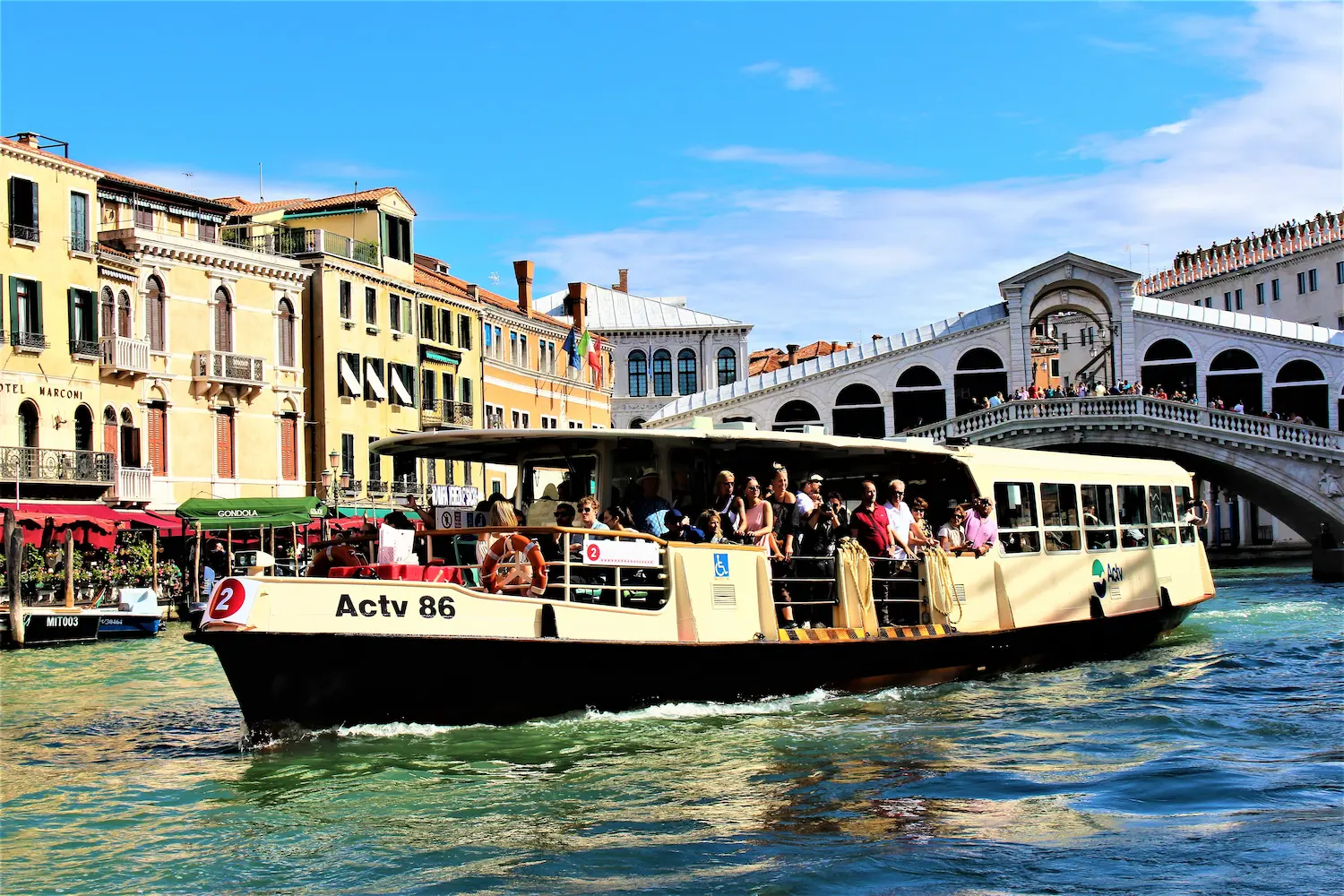
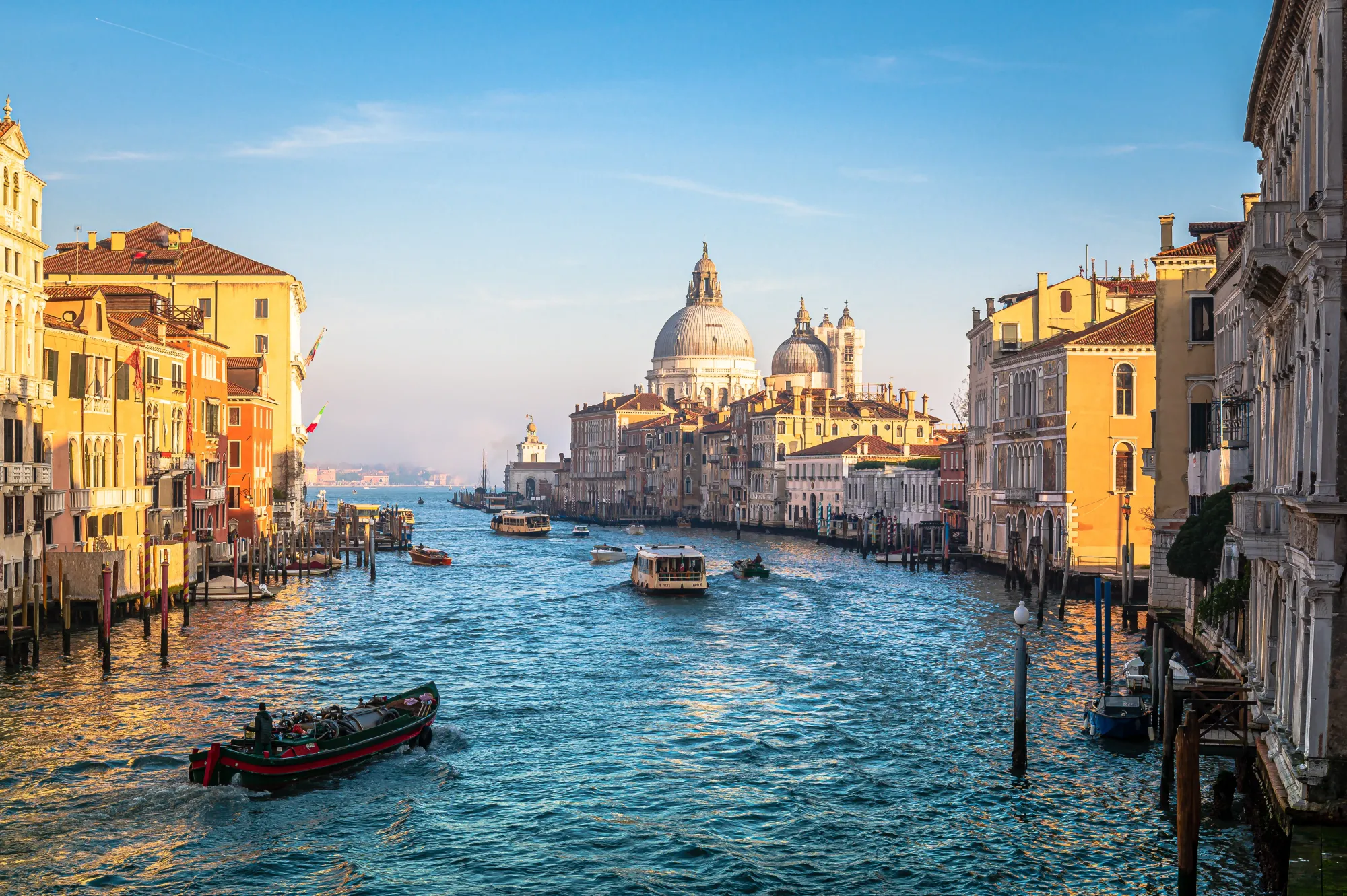
One of the most useful ways to see Venice is from the Grand Canal on a vaporetto, the city’s public water-bus service. Line 1 is the slower route, stopping at most of the main landing stages along the Grand Canal and offering views of the palazzi and bridges from the water.
A standard 75-minute vaporetto ticket currently costs €9.50, while ACTV also offers 24-hour, 48-hour, 72-hour and seven-day passes. The current prices are €25, €35, €45 and €65 respectively, making a pass potentially worthwhile for visitors planning several journeys. Tickets can be bought from ACTV/Venezia Unica outlets, ticket machines and the official app, while contactless payment is also available on the waterborne network. Tickets purchased through the app must be activated before use, and passengers travelling without a valid ticket are subject to penalties.
The Accademia and Peggy Guggenheim Collection
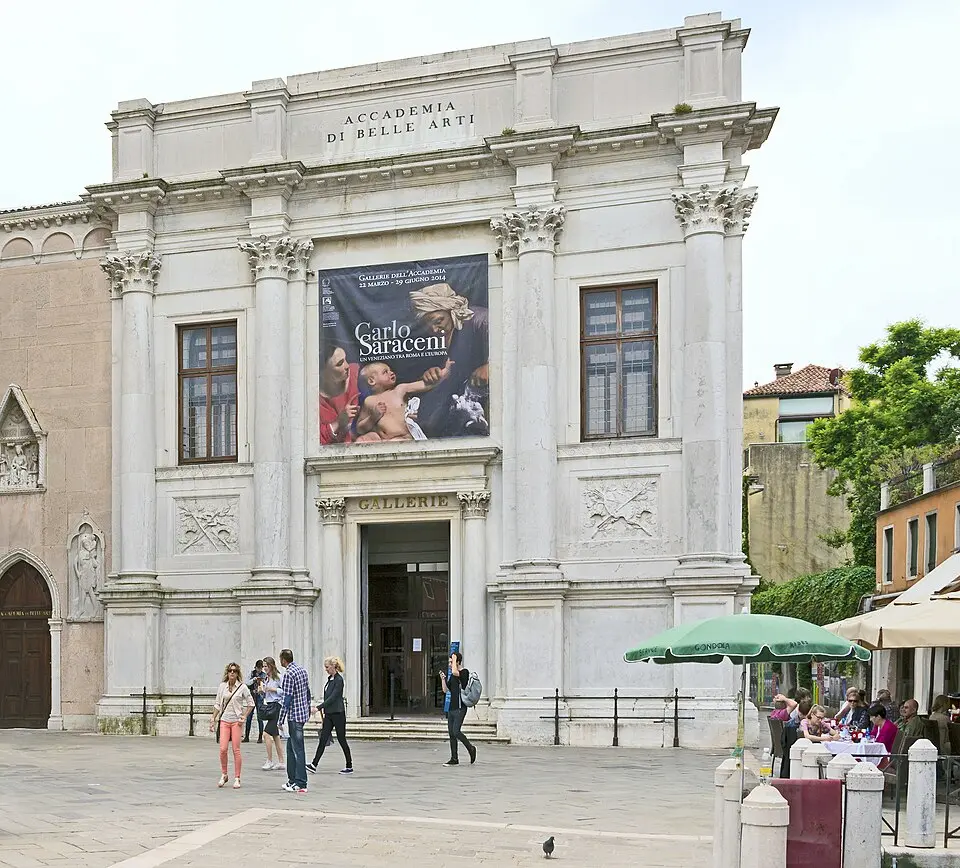
Venice's art holdings go well beyond the Basilica's mosaics. The Gallerie dell'Accademia holds the city's great collection of Venetian painting - Titian, Tintoretto, Bellini, Veronese - spanning the centuries when Venice was one of the wealthiest and most artistically ambitious cities in Europe. A short walk along the same canal, the Peggy Guggenheim Collection is the opposite in scale and mood: a 20th-century modern art collection, housed in the unfinished palazzo where the American collector lived for three decades, with Pollock, Picasso, and Magritte on the walls of what still feels like a private home.
Both sit in the Dorsoduro district, one of the quieter residential parts of the city, and pair well with an afternoon away from St Mark's Square.
Murano, Burano and Torcello
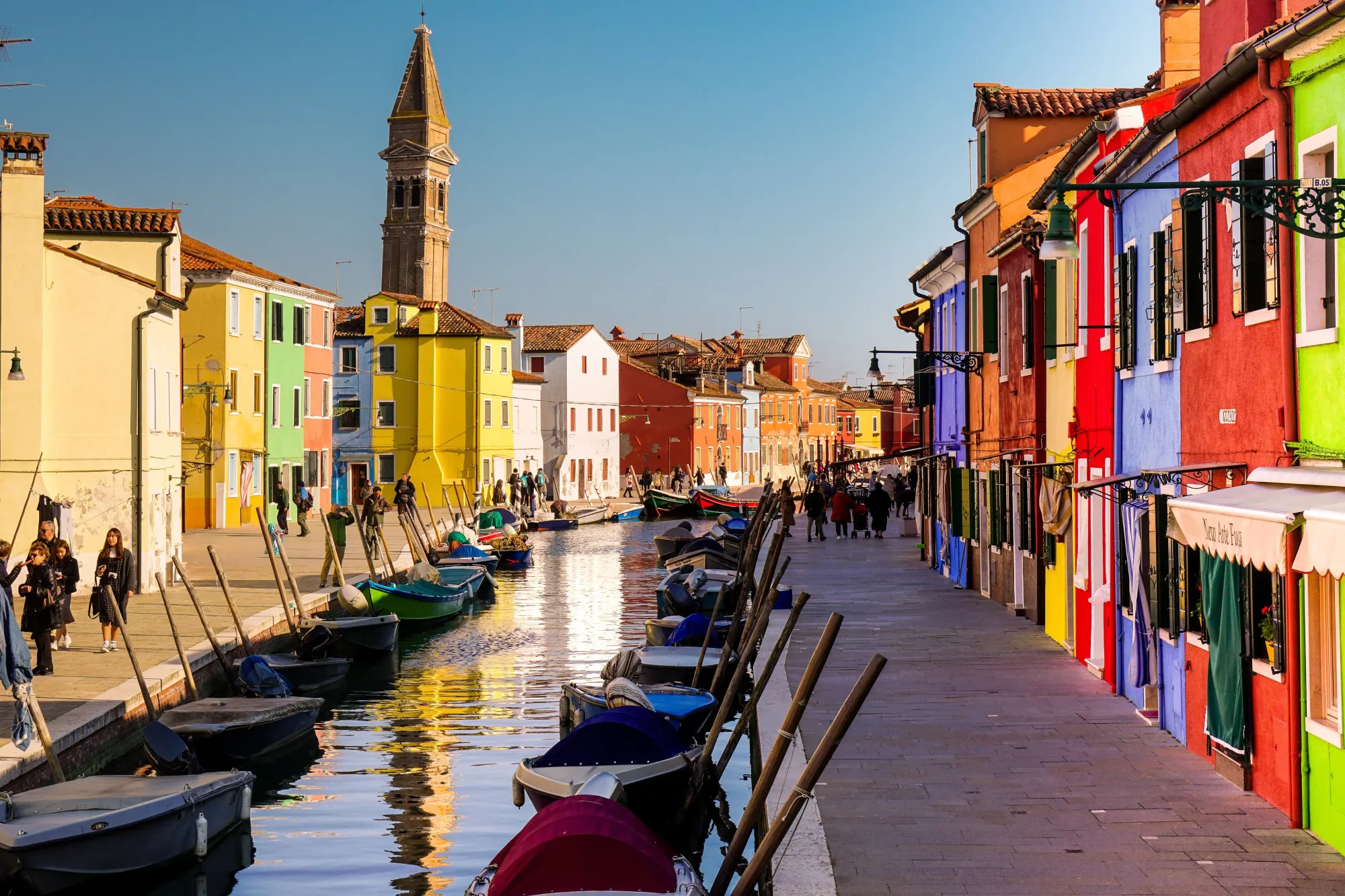
Most of Venice's lagoon is invisible from the historic centre itself, and the outlying islands are where the crowds thin out considerably. Murano has been the centre of Venetian glassmaking since the 13th century, when furnaces were moved there by decree to protect the wooden city from fire risk - its glass workshops and the Museo del Vetro are worth the short vaporetto ride alone. Burano, further out, is a small fishing island of brightly painted houses and lace-making tradition, and one of the most photographed spots in the whole lagoon. Torcello, the quietest of the three, was Venice's original settlement before the population shifted to the main islands in the Middle Ages, and its cathedral holds Byzantine mosaics that rival St Mark's with a fraction of the visitors.
All three are reachable on the same vaporetto line from Fondamente Nove, and a day covering all three is a common - and worthwhile - full day out from the city centre.
Venice Carnival
For roughly two and a half weeks each winter, Venice becomes something else entirely. Carnevale di Venezia runs for about 18 days, always ending on Shrove Tuesday, with the 2027 edition running from 23 January to 9 February. Masked figures in elaborate 18th-century-style costume appear throughout the city, and simply wandering the streets and bridges, turning a corner into a small square full of costumed characters posing for photographers, is most of the experience.
I've been, and it's wonderful - genuinely one of the most memorable things I've done in Italy. You don't need to book official events to experience it. The ticketed masked balls inside palazzi can run from around £100 to well over £2,000 a ticket. There are free events - the Volo dell'Angelo (Flight of the Angel), the Festa Veneziana sull'acqua boat parade along the Grand Canal, and the Festa delle Marie procession - plus simply meeting masked characters in the streets and squares, give you the spectacle without the price tag.
Start early in the day. The streets around St Mark's Square get much busier as the day goes on. Basing yourself somewhere a little quieter also helps: I'd recommend Castello, a short walk from St Mark's Square, or Cannaregio or Dorsoduro; alternatively, Mestre on the mainland gives you a less central base with easy access into Venice.
Food and Drink
Venetian food is shaped by the lagoon, and it shows: look for sarde in saor (sardines marinated with onions, pine nuts and raisins), risotto al nero di seppia (cuttlefish-ink risotto, black and briny), and baccalà mantecato (whipped salt cod, usually spread on grilled polenta or bread). For something quicker and cheaper, cicchetti - small bar snacks served at a bacaro, Venice's version of a wine bar - are the closest thing the city has to tapas, and a couple of bacari and a glass of local wine or a spritz make a better lunch than most sit-down restaurants near the main sights.
As with anywhere tourist restaurants immediately on St Mark's Square or along the Grand Canal tend to be the most expensive and least memorable; walking ten minutes into Cannaregio, Castello or Dorsoduro usually improves both the food and the price.
Practical Information
Venice floods. Acqua alta (exceptionally high tide) is most common between autumn and early spring, and when it happens, raised walkways go up across the lowest-lying streets and squares, including St Mark's Square itself. It's rarely dangerous and rarely lasts more than a few hours, but it's worth checking the tide forecast if you're visiting between October and March, and packing shoes that can handle a wet pavement.
The city's day-tripper access fee, introduced as a trial in recent years, was suspended as of July 2026 - but it is likely to return for 2027 (but not yet confirmed), so it's worth checking ahead of time what you will need to pay.
Venice is entirely walkable within the historic centre, but "walkable" means bridges and narrow streets - a heavy suitcase will be difficult to maneuver here, and a lot of visitors end up carrying their luggage over several bridges to reach their accommodation. It is advisable to pack light if you can.
Frequently Asked Questions
Is there a train station in Venice itself?
Yes - Venezia Santa Lucia sits directly in the historic centre on the Grand Canal, so trains arrive right into the city rather than to a mainland station. All trains stop first at Venezia Mestre on the mainland before crossing the causeway to Santa Lucia.
Do I need to pay to enter Venice?
Not currently. The day-tripper access fee was suspended as of July 2026, but is likely to return in 2027. Check official sources before travelling.
How do I get around Venice without a car?
Entirely on foot or by vaporetto, the public water bus. There are no cars, scooters, or bicycles permitted anywhere in the historic centre.
Is Venice worth more than a day trip?
Yes, if you can manage it. A single day covers St Mark's Square and the Rialto at a rush, but Venice's quieter neighbourhoods, its art collections, and the lagoon islands all reward at least two or three days.
When should I avoid visiting Venice?
July and August are the most crowded and hottest months, and are best avoided if you can.
Can I visit Murano and Burano in a day?
Yes - both, plus Torcello, are reachable on the same vaporetto line from Fondamente Nove and commonly combined into a single full-day trip from central Venice.
When is Venice Carnival and do I need to buy tickets?
Carnevale di Venezia runs for about 18 days each winter, always ending on Shrove Tuesday - the 2027 edition runs 23 January to 9 February. Tickets are only needed for the official masked balls; the street atmosphere, costumed characters and several of the headline events are free to watch.
Also on The Unseen Italy: Padua by Train: Giotto's Frescoes, a Basilica and Europe's Oldest University · Ferrara by Train · Bologna — Italy's Greatest Food City · How Italy's Train Network Works · Trieste by Train: A Car-Free Guide to Italy's Habsburg Port City