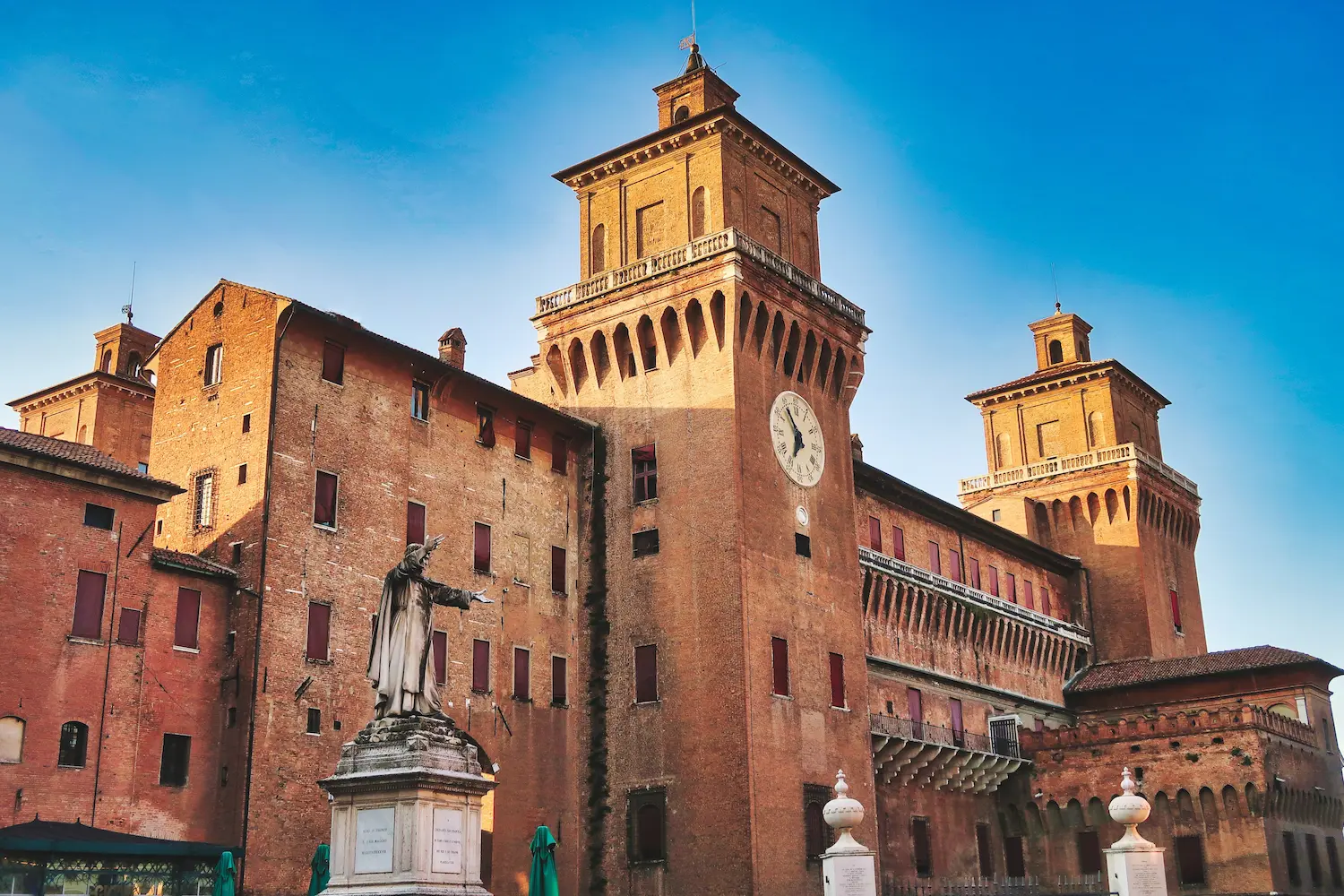
Ferrara has a moated Renaissance castle in the centre of the city, nine kilometres of walls to cycle around, frescoes that rival those in Florence, and almost no tourist crowds. Thirty minutes from Bologna by train.
Last verified: August 2026. Train times, prices and opening hours change regularly. Always check official sources before travelling.
Thirty minutes from Bologna by train, and yet Ferrara remains one of the most genuinely overlooked Renaissance cities in Italy. A moated castle rising from the centre of the city. Broad avenues planned in the 15th century that still define the street plan. A Jewish quarter of deep historical significance. Nine kilometres of medieval walls you can walk or cycle around.
Ferrara was the seat of the Este dynasty - one of the most powerful and culturally sophisticated courts in Renaissance Italy - and the city they built still stands, remarkably intact. UNESCO recognised it in 1995. Most visitors to northern Italy never quite make it here.
At a Glance
| 🚆 From Bologna | Direct train - approx. 30 min, from ~€6 |
| 🚆 From Venice | Direct train - approx. 1h 15m, from ~€10 |
| 🚆 From Florence | Direct train - approx 1h 20m, from ~€25 |
| 🚆 From Milan | Direct train - approx. 2h 15, from ~€45 |
| 🏛️ UNESCO status | Ferrara, City of the Renaissance - World Heritage Site since 1995 |
| 🚲 Cycling | Flat city - bikes available to hire at the station and in the centre |
| 🏰 Must see | Castello Estense, Palazzo dei Diamanti, Palazzo Schifanoia, Jewish Quarter |
| 🍝 Eat | Cappellacci di zucca, salama da sugo, pampepato |
| ⏱️ Time needed | Full day - half day possible but rushed |
| 📅 Best time | Spring and autumn - pleasant cycling weather, manageable crowds |
In This Guide
Getting to Ferrara by Train
Ferrara sits on a direct regional line from Bologna - 30 minutes, with trains running approximately every 30 minutes throughout the day. Tickets cost from around €6 one way. You can buy your ticket at the station machine or via Trenitalia, Italo, or Trainline.
From Venice, direct regional trains take around 1 hour 15 minutes. From Florence, the total journey is around 1 hour 20 minutes.
Ferrara station is around 15 minutes on foot from the historic centre and the Castello Estense - a flat, straightforward walk. Alternatively, the station has bike hire: Ferrara is an exceptionally flat city and cycling is an efficient and enjoyable way to get around. Bike hire is available at the station from around €20-25 per day.
Castello Estense
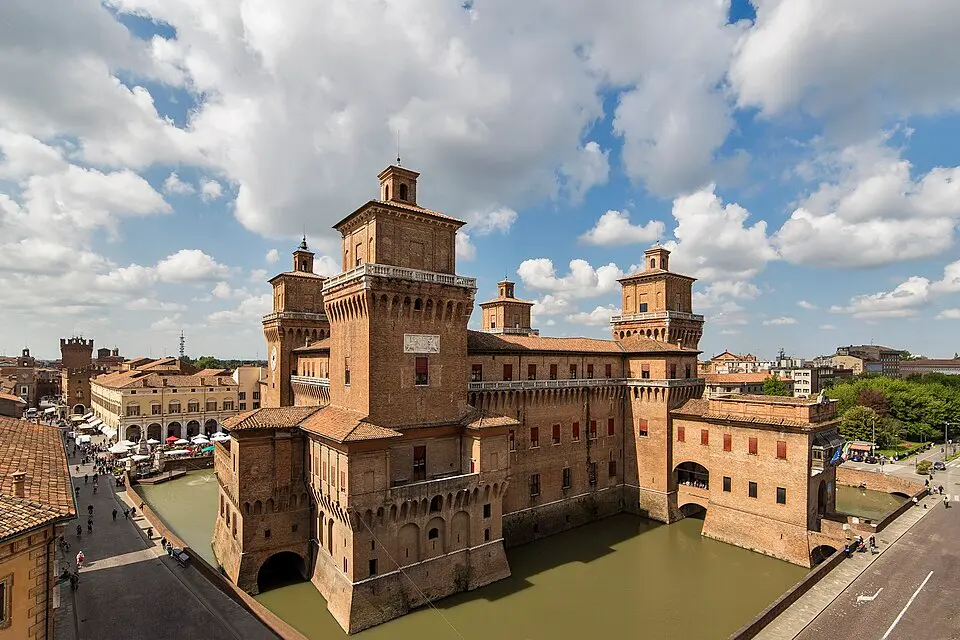
The Castello Estense is the defining image of Ferrara - a 14th-century fortress rising at the heart of the city, surrounded by a moat, with four imposing corner towers and historic drawbridges. It is one of the most dramatically sited medieval castles in Italy, made all the more extraordinary by the fact that it stands not on a remote hilltop or cliff but at the centre of Ferrara, embedded within the city's Renaissance streets and palaces and surrounded by everyday urban life.
The castle was begun in 1385 on the orders of Niccolò II d'Este, as a defensive response to a popular uprising, and expanded over the following centuries by successive Este rulers into a residence of considerable magnificence. Walking through it today gives access to both the medieval fortress - the towers and dungeons where, in 1425, Niccolò III d'Este imprisoned his wife Parisina and his son Ugo, who were subsequently beheaded - and the Renaissance state rooms, with their frescoed halls, hanging garden and Este chapel.
Castello Estense is open Wednesday to Monday, 10am-6pm, and closed on Tuesdays. Entry is €12, with the climb to the Torre dei Leoni costing an additional €2. The tower gives some of the best views over Ferrara - the Renaissance street plan laid out below, the cathedral to the south, and the flat Po plain stretching towards the horizon.
The Cathedral and Piazza Trento e Trieste
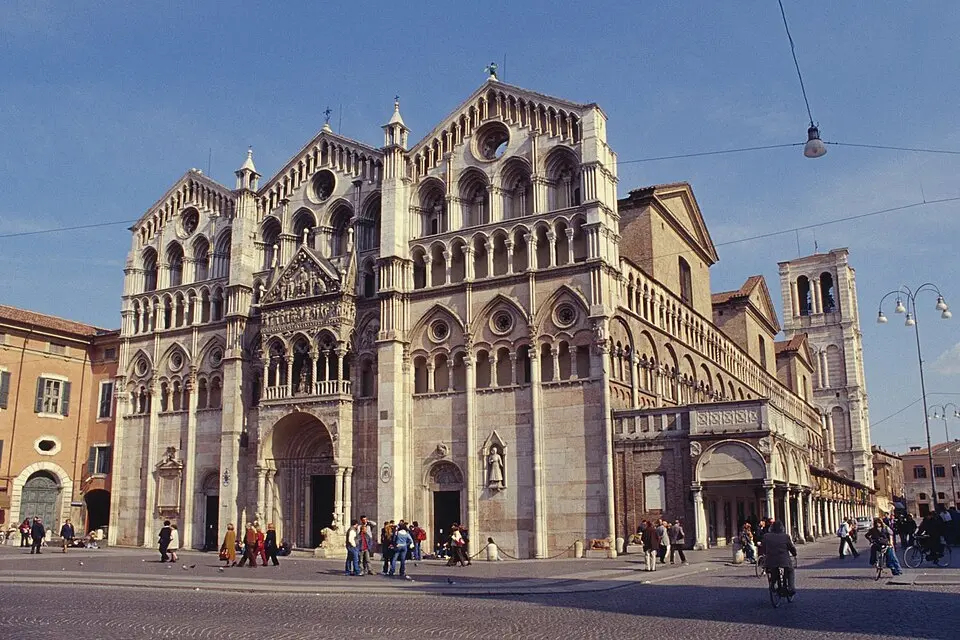
A three-minute walk south from the castle brings you to Ferrara's cathedral - the Cattedrale di San Giorgio, a Romanesque-Gothic structure whose facade is one of the most distinctive in Emilia-Romagna: three tiers of arcading, a market loggia at street level that has been in continuous use since the medieval period, and a series of sculptural details. The central portal's Last Judgement tympanum, carved around 1135, is among the finest examples of Romanesque sculpture in northern Italy.
The Loggia dei Mercanti runs along the south side of the cathedral - the market arcade where traders have operated since the 13th century. Today it houses a mix of shops and cafés, but the medieval structure is entirely intact. The Piazza Trento e Trieste in front of it is the civic heart of the city, lined with porticoes and giving the most direct view of the cathedral facade.
The Museo della Cattedrale opposite the cathedral houses works removed from the cathedral over the centuries - most significantly, a cycle of reliefs depicting the Labours of the Months by the Master of the Months of Ferrara, and a set of extraordinary organ shutters painted by Cosmè Tura, one of the founding figures of the Ferrara school of painting. Entry around €6. Worth 45 minutes.
Palazzo dei Diamanti
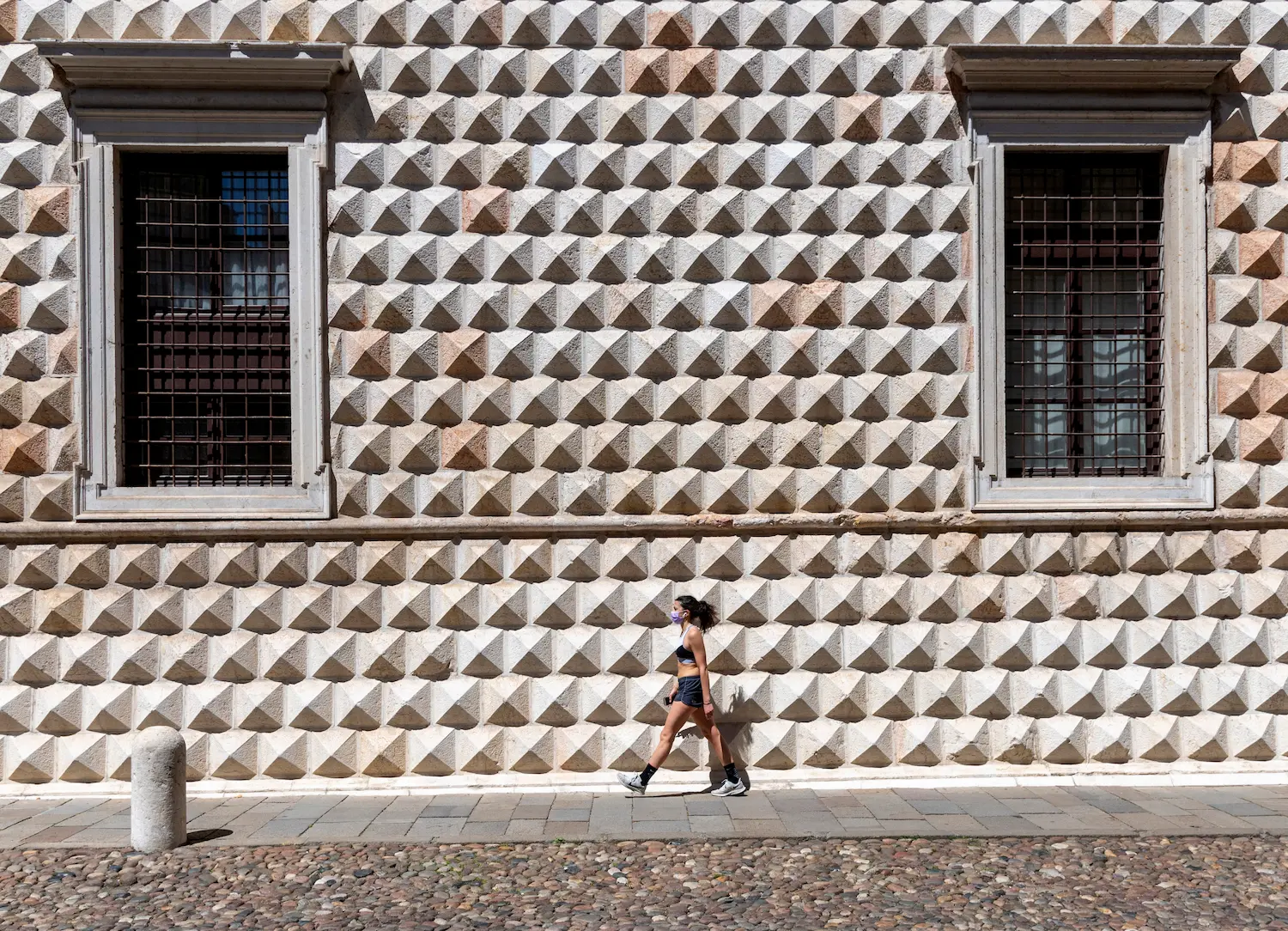
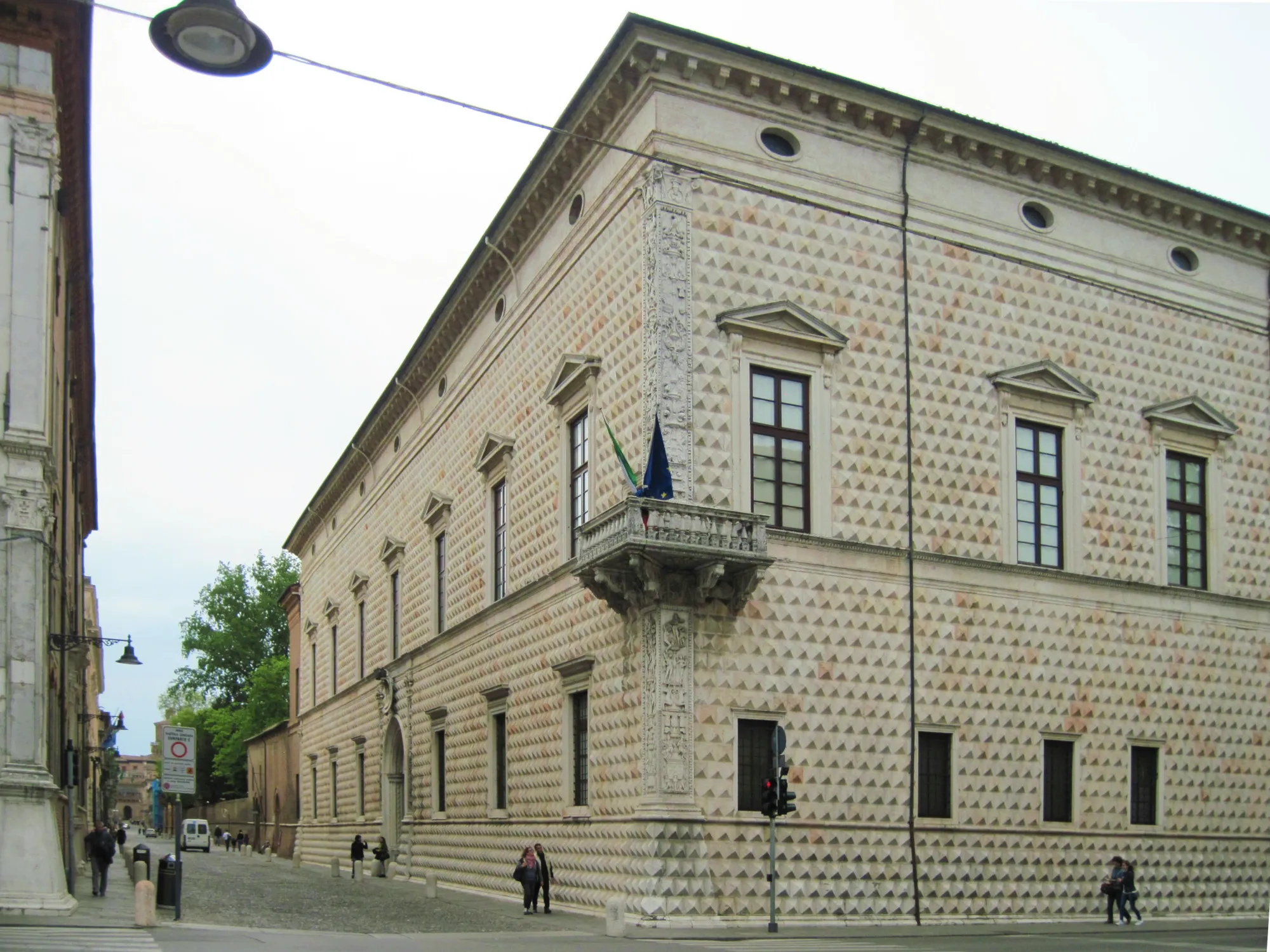
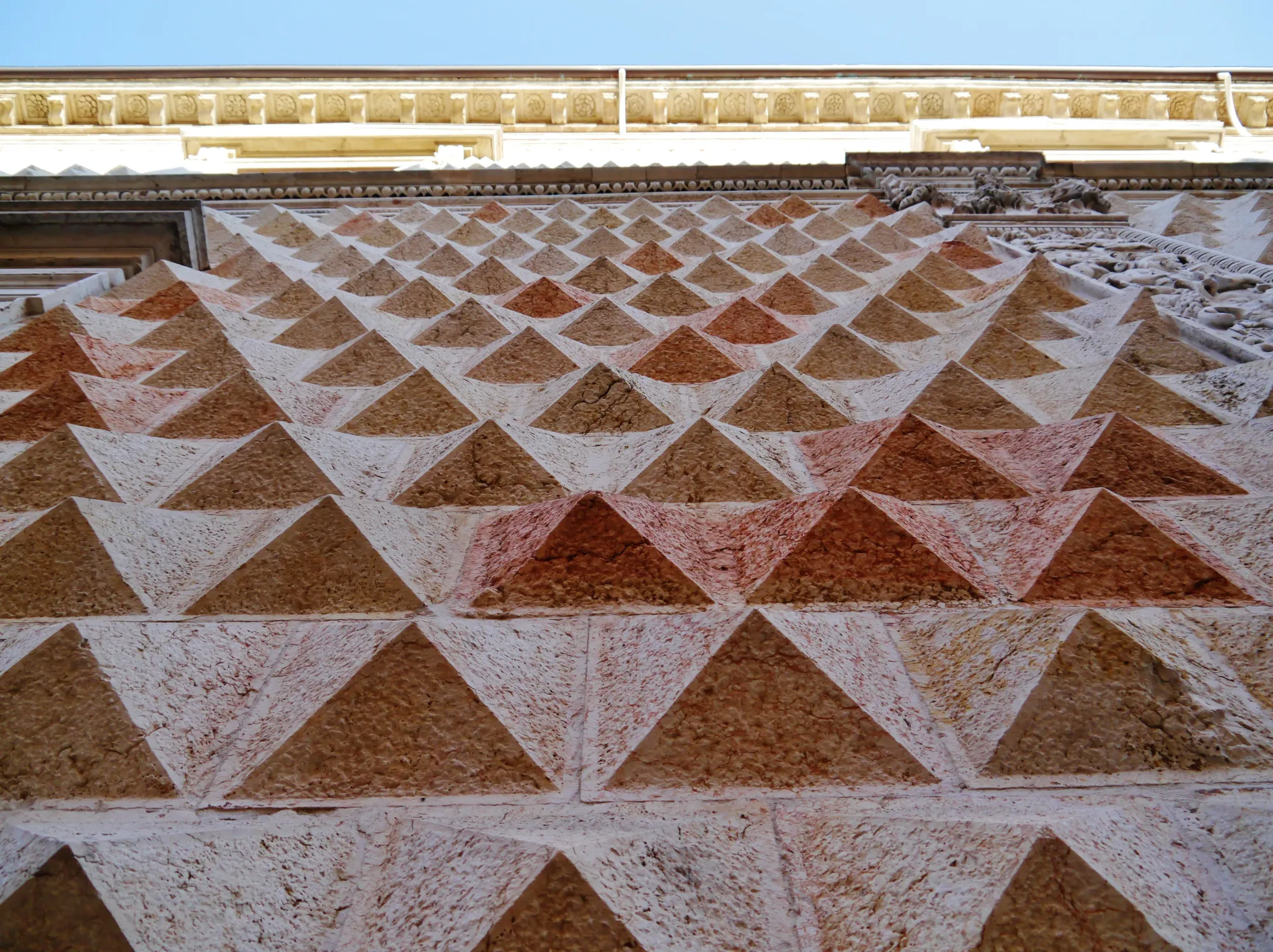
The Palazzo dei Diamanti, Ferrara — 8,500 marble blocks carved into diamond points, unique in Italy.
Image credits:
Image 1: MARYANNA57, CC BY-SA 4.0
The Palazzo dei Diamanti is Ferrara's most immediately striking building - a Renaissance palace covered entirely in 8,500 marble blocks carved into diamond points, the facets of each block catching the light at different angles as you move past.
The palace was built for Sigismondo d'Este between 1493 and 1503 and takes its name from the Este family's heraldic diamond symbol. Inside, the Pinacoteca Nazionale houses the city's collection of works from the Ferrara school - Cosmè Tura, Francesco del Cossa, Ercole de' Roberti, Dosso Dossi - a distinctive and influential Renaissance tradition largely unknown outside the region. The palace also hosts temporary exhibitions of major Italian art, which often draw the largest crowds.
Check current exhibition details before visiting at palazzodiamanti.it. Open Tuesday to Sunday 10am–7.30pm. Entry price is €16.
Palazzo Schifanoia - The Hall of the Months
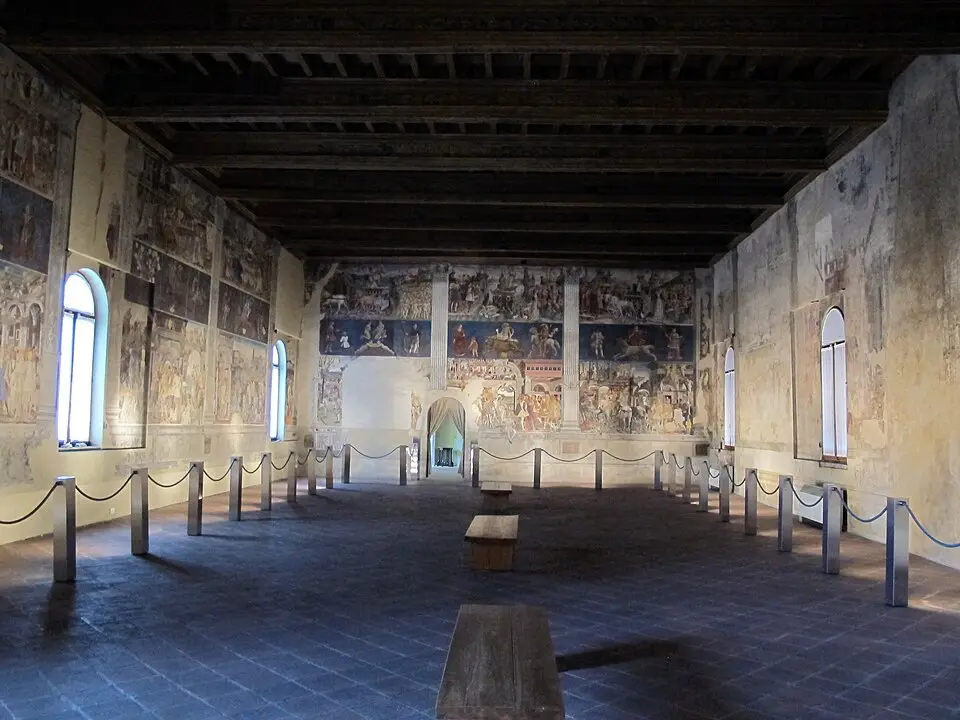
Palazzo Schifanoia - the name means roughly "away with boredom" - was the Este family's pleasure palace, built as a retreat from the formality of court life. Its exterior is very plain; the interior contains one of the most remarkable frescoes in Renaissance Italy.
The Salone dei Mesi (Hall of the Months) is the reason to come. The walls of a single large room are covered with a complete astrological and courtly calendar of the year, painted in the 1470s by Francesco del Cossa and other members of the Ferrara school. Each month occupies one section of wall - divided into three horizontal registers depicting astrological signs, the ruling classical deity and scenes of Este court life.
Two of the twelve months were destroyed in the 19th century when windows were cut through the walls. The remaining ten are in varying states of preservation - some vivid, others significantly damaged.
Open Tuesday to Sunday 10am-7pm. Entry around €12.
The Jewish Quarter and Via delle Volte
Ferrara's Jewish community dates from the 13th century and grew significantly under Este rule - the dukes were notable for their relative tolerance at a time when Jewish communities across Europe faced persecution. The Jewish quarter in the medieval centre of the city retains its historic street plan and character, and the Museo Nazionale dell'Ebraismo Italiano e della Shoah (MEIS) - the National Museum of Italian Judaism and the Shoah - is one of the most significant Jewish cultural institutions in Italy, opened in 2017 in a converted prison. Open Sunday to Friday 10am-6pm. Entry around €10.
The Synagogue complex on Via Mazzini contains three historic synagogues on different floors, reflecting the different Jewish communities that worshipped here - the Italian, German and Sephardic traditions.
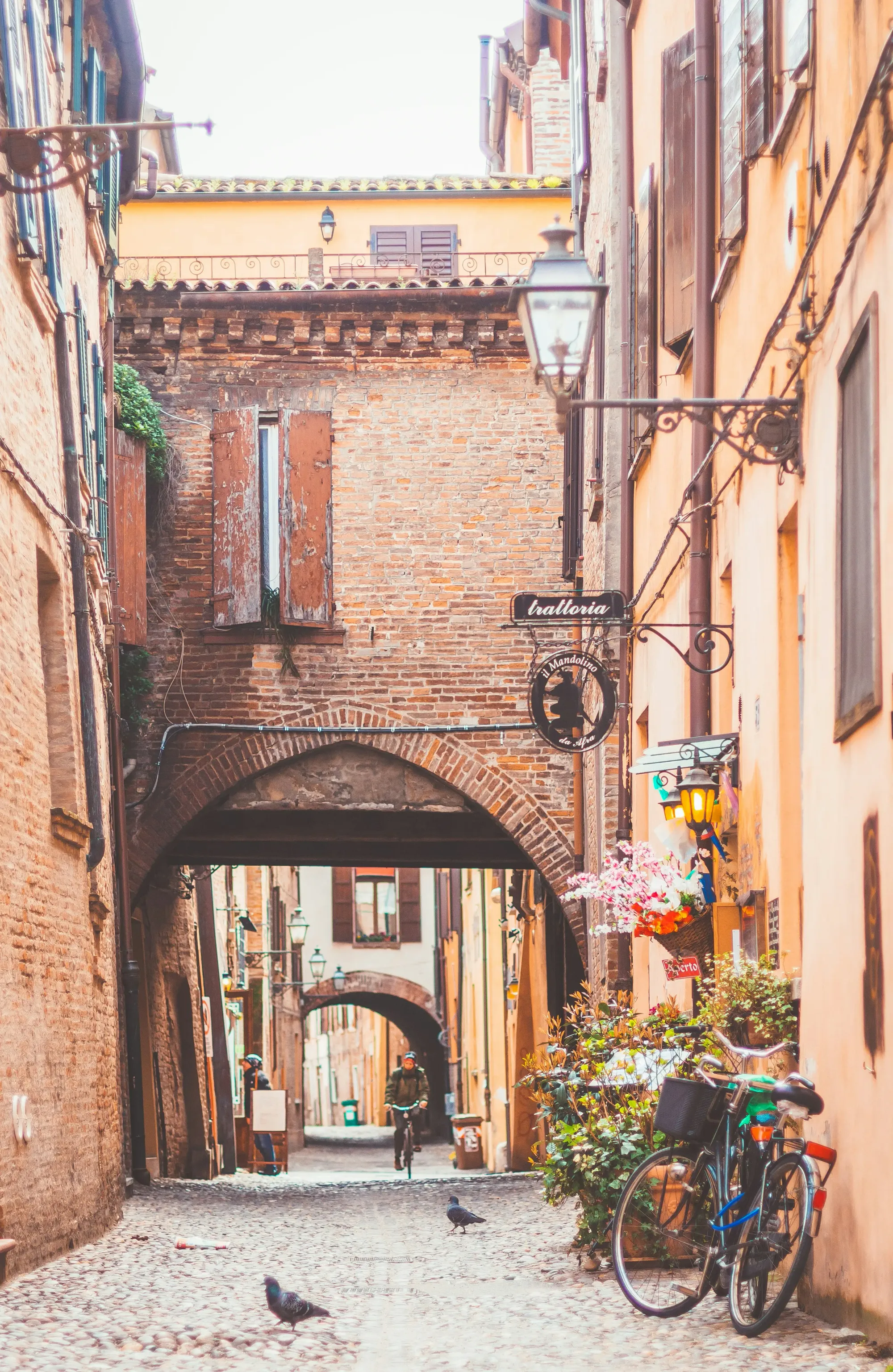
Via delle Volte - literally "the street of the vaults" - runs parallel to the Po embankment and is arguably one of the most evocative medieval streets in northern Italy: a series of covered arches over a narrow lane, originally the porticos connecting the merchants' warehouses to the riverside loading docks. Walking it gives an immediate physical sense of the medieval mercantile city that existed before the Este Renaissance replanning.
The City Walls - Walking and Cycling
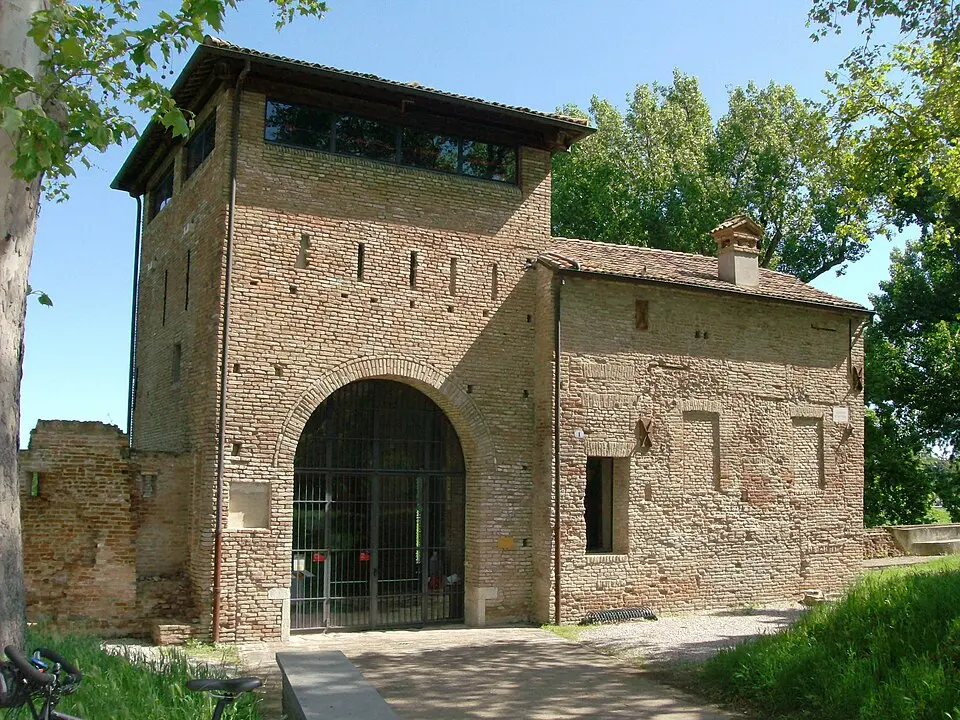
Ferrara's Renaissance city walls are among the best preserved in Italy - nine kilometres of intact brick fortifications, wide enough to walk or cycle, encircling the historic centre. The walls were built in the late 15th and early 16th centuries as part of the Este Addizione Erculea - the major Renaissance urban expansion planned by Ercole I d'Este that doubled the size of the city and created the rational grid of broad avenues that still defines the northern half of Ferrara.
Cycling the walls is one of the great pleasures of Ferrara - the city is completely flat, the walls offer a different perspective on the Renaissance city plan laid out below, and the route is almost entirely free of traffic. Hire a bike at the station or from a central hire point and allow two to three hours for the full circuit at a leisurely pace.
For more information read this blog article, which gives a detailed outline of the route around Ferrara's walls:
Food - Cappellacci and Salama da Sugo
Ferrara has its own food traditions distinct from the broader Emilian canon, and they are worth seeking out.
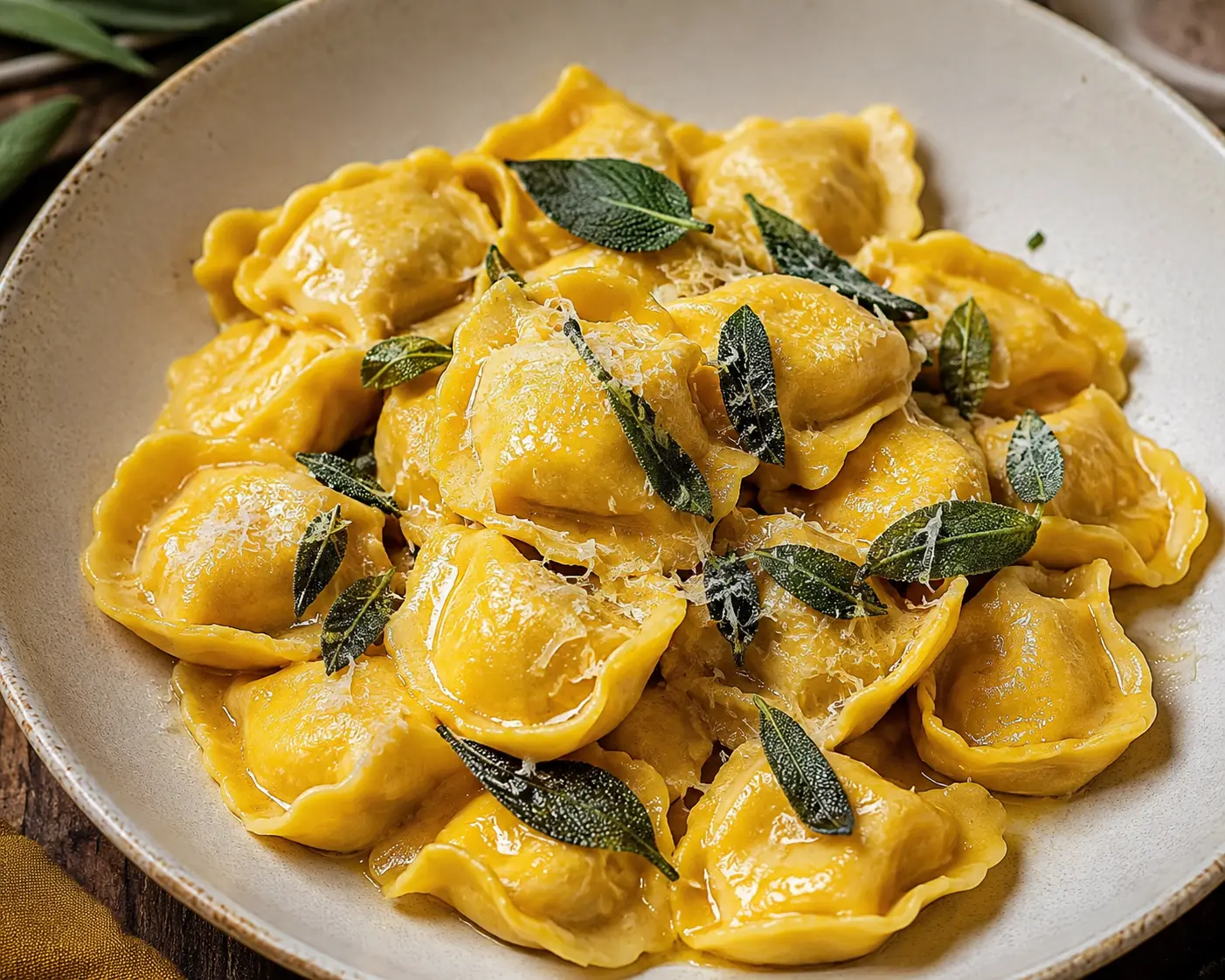
Cappellacci di zucca is the defining Ferrarese pasta - large, hat-shaped pasta parcels filled with pumpkin and nutmeg, served with butter and sage or with a meat ragù. The sweet earthiness of the pumpkin filling against a savoury sauce is entirely characteristic of the Este court tradition of combining sweet and savoury flavours.
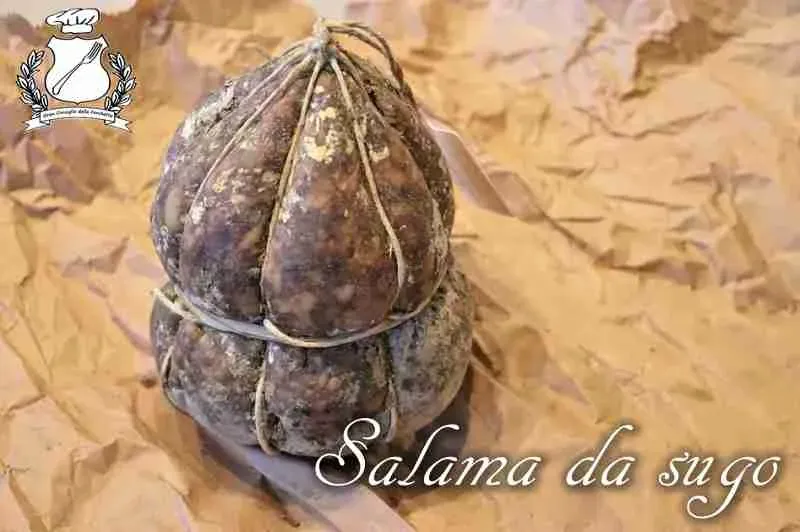
Salama da sugo is Ferrara's most distinctive meat preparation - a large pork sausage aged for at least a year, slow-cooked in red wine and its own juices until the casing swells and the interior becomes an intensely flavoured paste. Traditionally served with mashed potato.
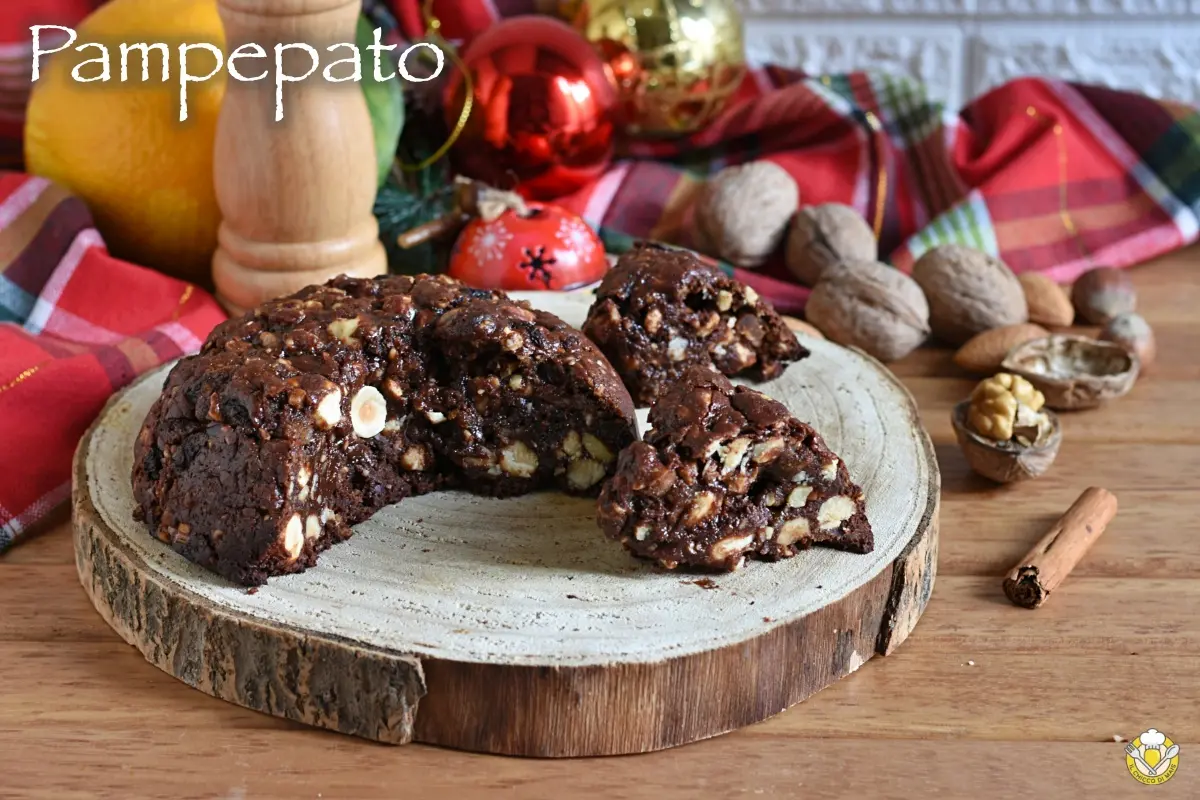
Pampepato is the city's traditional spiced cake - a dark, dense round of candied fruit, spices, cocoa, almonds and pepper, coated in dark chocolate. Originally made by the nuns of the Corpus Domini convent, it is now made by Ferrara's pasticcerie and sold in the city's food shops. A distinctively Ferrarese thing to bring home.
For lunch, the area around Via Ragno and the streets near the Jewish quarter has several genuine local trattorias serving Ferrarese classics at reasonable prices.
Practical Information
Getting around: Ferrara is the flattest city in Italy and cycling is a great way to explore it. Bike hire is available at the station and in the centre from around €20-25 per day. However, the historic centre is entirely walkable if you prefer to go by foot.
Day trip or overnight: A full day covers the Castello Estense, the cathedral, the Diamanti and the Jewish quarter. Palazzo Schifanoia and the city walls require more time - an overnight stay allows all of these at a relaxed pace and gives you the city in the evening, when the tourist day-trippers have left and it becomes genuinely local.
Luggage: Leave bags at Bologna Centrale if day-tripping - there is no left-luggage facility at Ferrara station. Radical Storage and Bounce have locations near Bologna Centrale.
Best time to visit: Spring and autumn - comfortable cycling weather, the frescoes and palaces uncrowded, the Ferrarese food culture at its most active. Summer is warm but the city is less busy than comparable Tuscan destinations. Winter is quiet and atmospheric.
For a full guide to Italian regional trains - tickets, validation and booking - see our Italy train network guide.
Frequently Asked Questions
Is Ferrara worth visiting?
Yes - emphatically. Ferrara is one of the most complete and least crowded Renaissance cities in Italy. The Castello Estense, the Palazzo dei Diamanti and the Hall of the Months frescoes alone justify the journey. Thirty minutes from Bologna makes it one of the easiest serious day trips in northern Italy.
How do I get from Bologna to Ferrara by train?
Direct regional trains from Bologna Centrale reach Ferrara in 30 minutes, with departures approximately every 30 minutes throughout the day. Tickets cost from around €6 one way.
What is the Castello Estense?
A 14th-century moated castle in the centre of Ferrara, begun in 1385 by Niccolò II d'Este and expanded over successive centuries into a Renaissance palace. The castle contains both medieval dungeons - where Este family members were imprisoned and executed - and magnificent frescoed Renaissance state rooms. Entry around €12, open Wednesday to Monday, 10am-6pm.
Can I visit Ferrara as a day trip from Venice?
Yes - direct regional trains from Venezia Santa Lucia reach Ferrara in around 1 hour 15 minutes, with tickets from around €10 one way. Ferrara makes an excellent addition to a Venice-based trip - the flat city, the moated castle and the Renaissance palaces offer a complete change of pace from the canals and crowds of Venice. A full day gives you everything essential; check the return timetable before you go as late evening services are less frequent
What is the Palazzo dei Diamanti?
A Renaissance palace whose entire facade is covered in 8,500 diamond-pointed marble blocks - the most visually distinctive building in Ferrara and is arguably unique in Italy. Houses the city's Pinacoteca Nazionale and major temporary art exhibitions. Check current exhibitions at palazzodiamanti.it.
What is the Hall of the Months?
The Salone dei Mesi in Palazzo Schifanoia - a room whose walls are covered with a complete astrological and courtly calendar of the year, painted in the 1470s by Francesco del Cossa and other members of the Ferrara school. One of the great Renaissance fresco cycles in Italy.
Is Ferrara easy to get around by bike?
Yes - Ferrara is one of the flattest city in Italy and cycling is a good way to explore it. Bike hire is available at the station from around €20-25 per day. The nine-kilometre city walls are an excellent cycling circuit, and most of the major sites are easily reached by bike.
What is cappellacci di zucca?
Ferrara's defining pasta - large hat-shaped parcels filled with pumpkin and nutmeg, served with butter and sage or a meat ragù. The combination of sweet pumpkin filling and savoury sauce reflects the Este court's distinctive approach to flavour and is found on almost every menu in the city.
Also on The Unseen Italy: Bologna — Italy's Greatest Food City · Day Trips from Florence by Train · How Italy's Train Network Works · 12 Days in Italy by Train · Venice by Train: A Car-Free Guide to the Floating City · 6 Day Trips from Milan by Train: The Best of Lombardy and Beyond