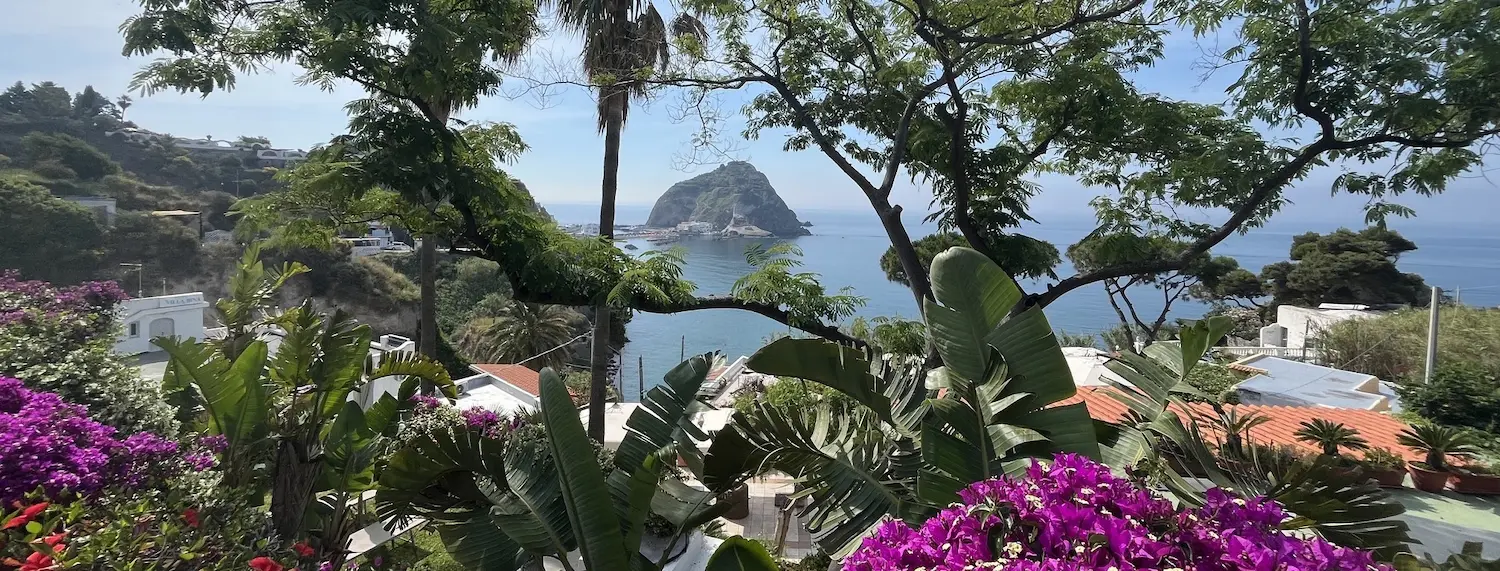
Ischia is larger, greener and more varied than Capri — a volcanic island with thermal pools, vineyards, a medieval castle on a rock and beaches only reachable by boat. A ferry from Naples gets you there in around an hour, and a bus network connects everything without a hire car.
Last verified: June 2026. Ferry times, prices and opening hours change regularly. Always check official sources before travelling.
Most visitors to the Bay of Naples choose Capri. Ischia — just as close, considerably larger and far less visited — rewards those who look a little further. A ferry from Naples Molo Beverello gets you here in around an hour. And once you arrive, a bus network loops the whole island: thermal pools at Forio, a car-free village on the southern tip, vineyards reachable on foot, and a castle on a volcanic rock that has stood since the 5th century BC.
Ischia rewards visitors who stay for a few days rather than treating it as a day trip. But even a single night changes what the island feels like — quieter in the evenings, more local once the day-trippers from Naples have gone home.
At a Glance
| ⛴️ From Naples | Hydrofoil (aliscafo) ~50–60 min from Molo Beverello; ferry (traghetto) ~1h 30m from Calata Porta di Massa |
| 🚇 Getting to Naples port | Metro to Municipio — tap in and out with a contactless card, or buy a paper ticket |
| 🏝️ Arrival ports | Ischia Porto (main); Casamicciola; Forio (seasonal) |
| 🚌 Getting around | Excellent island bus network — no hire car needed |
| ♨️ Don't miss | Poseidon Terme, Castello Aragonese, Sant'Angelo, Cenatiempo vineyard |
| 📅 Best time | May, June, September, October — quieter, beautiful weather |
| 📅 Avoid | Summer weekends — very popular with Neapolitans |
| 🎫 Book ferries | Direct with operators — avoid broker sites with high booking fees |
In This Guide
- Getting to Ischia by Ferry from Naples
- Arriving — Which Port?
- Getting Around the Island by Bus
- Poseidon Terme
- Castello Aragonese
- Sant'Angelo and the Southern Coast
- Mount Epomeo — Hiking to the Summit
- Vineyards — Cenatiempo and Beyond
- Giardini La Mortella
- Food — The Zingara and Ischian Cooking
- Where to Stay
- Practical Information
1. Getting to Ischia by Ferry from Naples
Getting to the Port
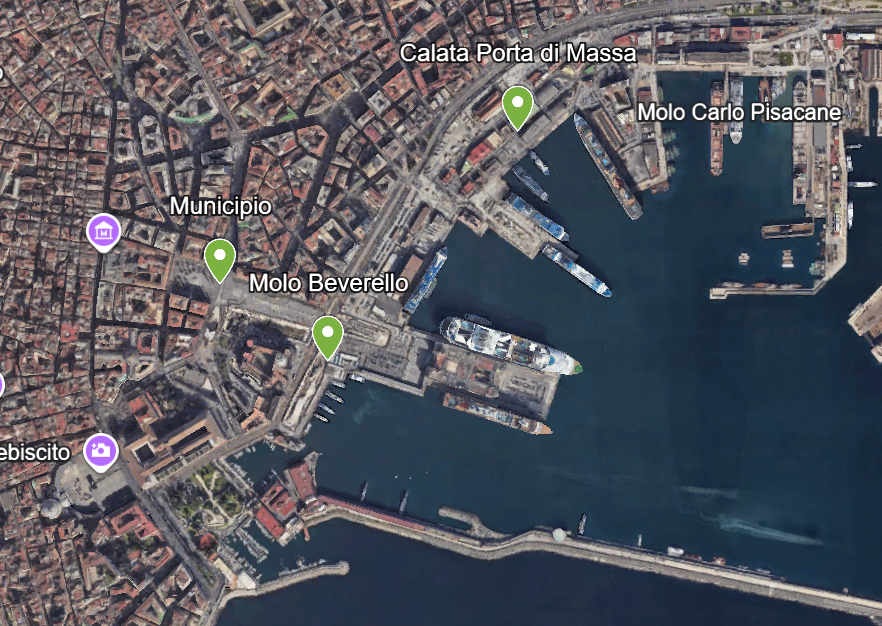
Naples has two ferry departure points for Ischia.
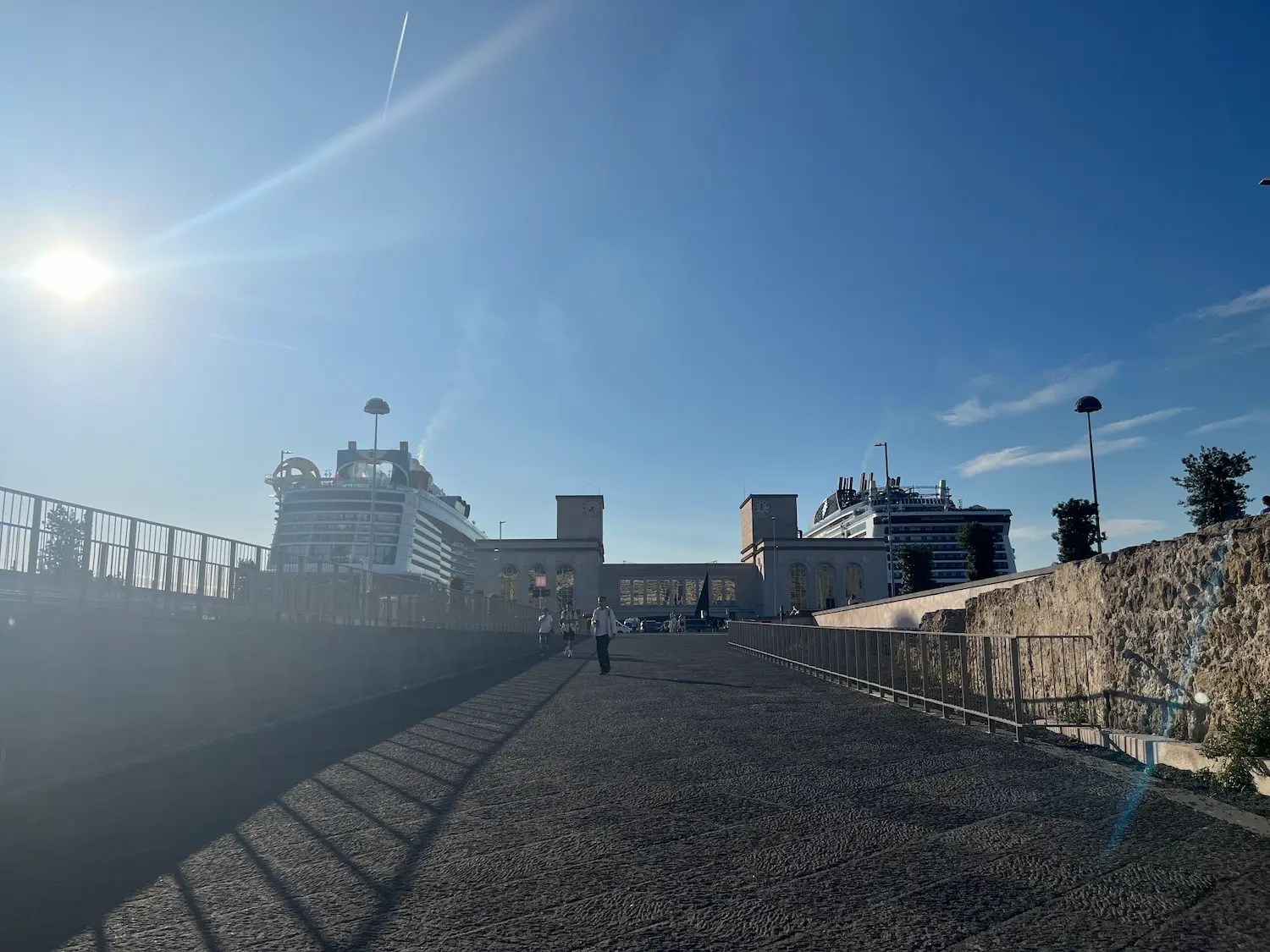
1st departure point: Molo Beverello is the main port for hydrofoils (aliscafi) — the faster services that take around 50–60 minutes. It is easily reachable by metro with a walkway that arrives directly in front of the port.
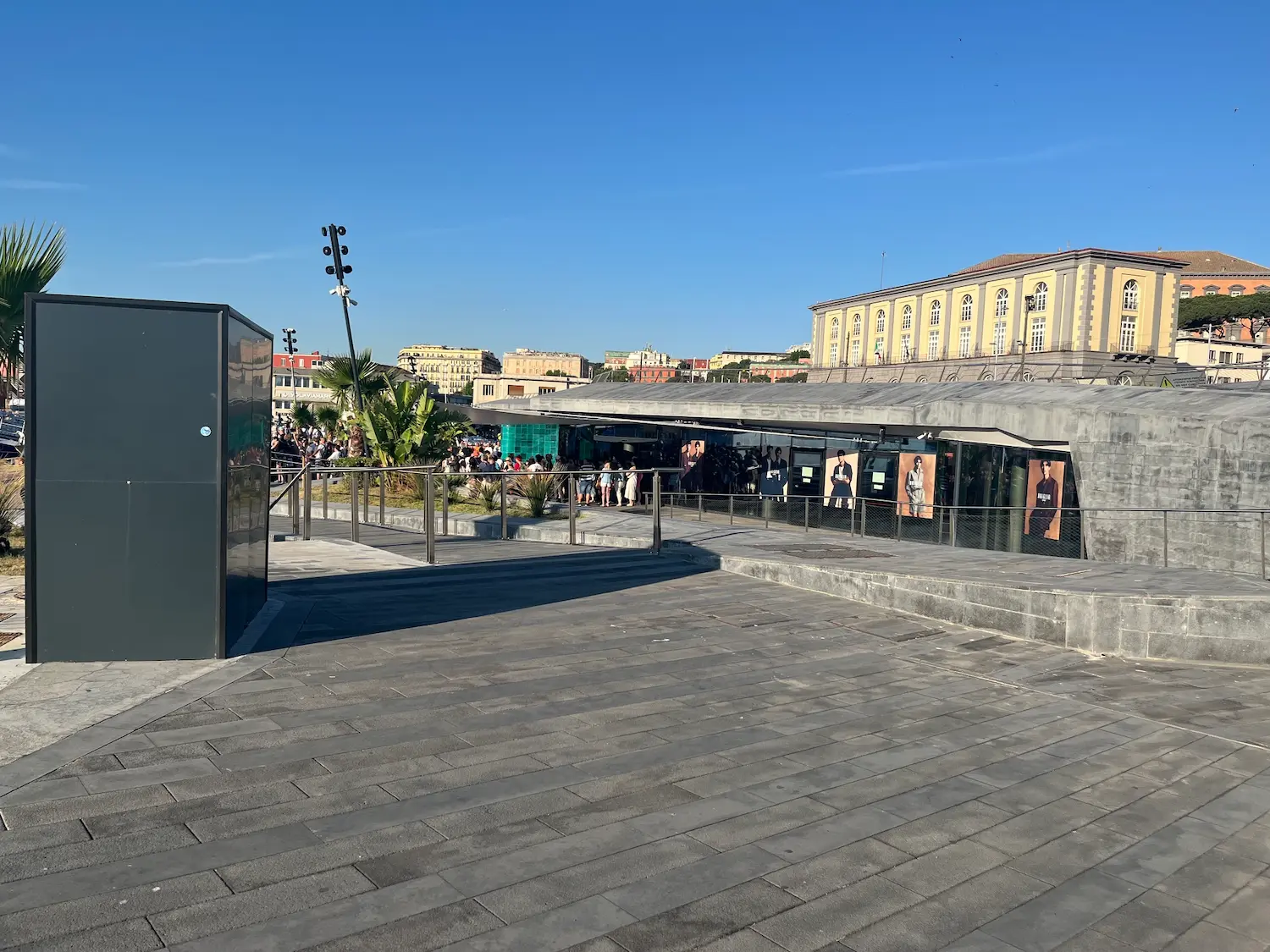
2nd departure point: Calata Porta di Massa is for conventional ferries (traghetti) — slower, smoother, around 1 hour 30 minutes. It is a short walk from Molo Beverello along the waterfront.
Getting to the port by metro: The easiest route from Naples Centrale is the metro (Linea 1) to Municipio. A useful tip: you can tap in and out with a contactless debit or credit card rather than buying a paper ticket. If you use a card, make sure to tap out (as well as in) — the tap-out machine is not on the turnstile but on the wall behind it. Ask station staff if you can't find it. Alternatively, buy a paper ticket from the machines at the station.
Ferry Options
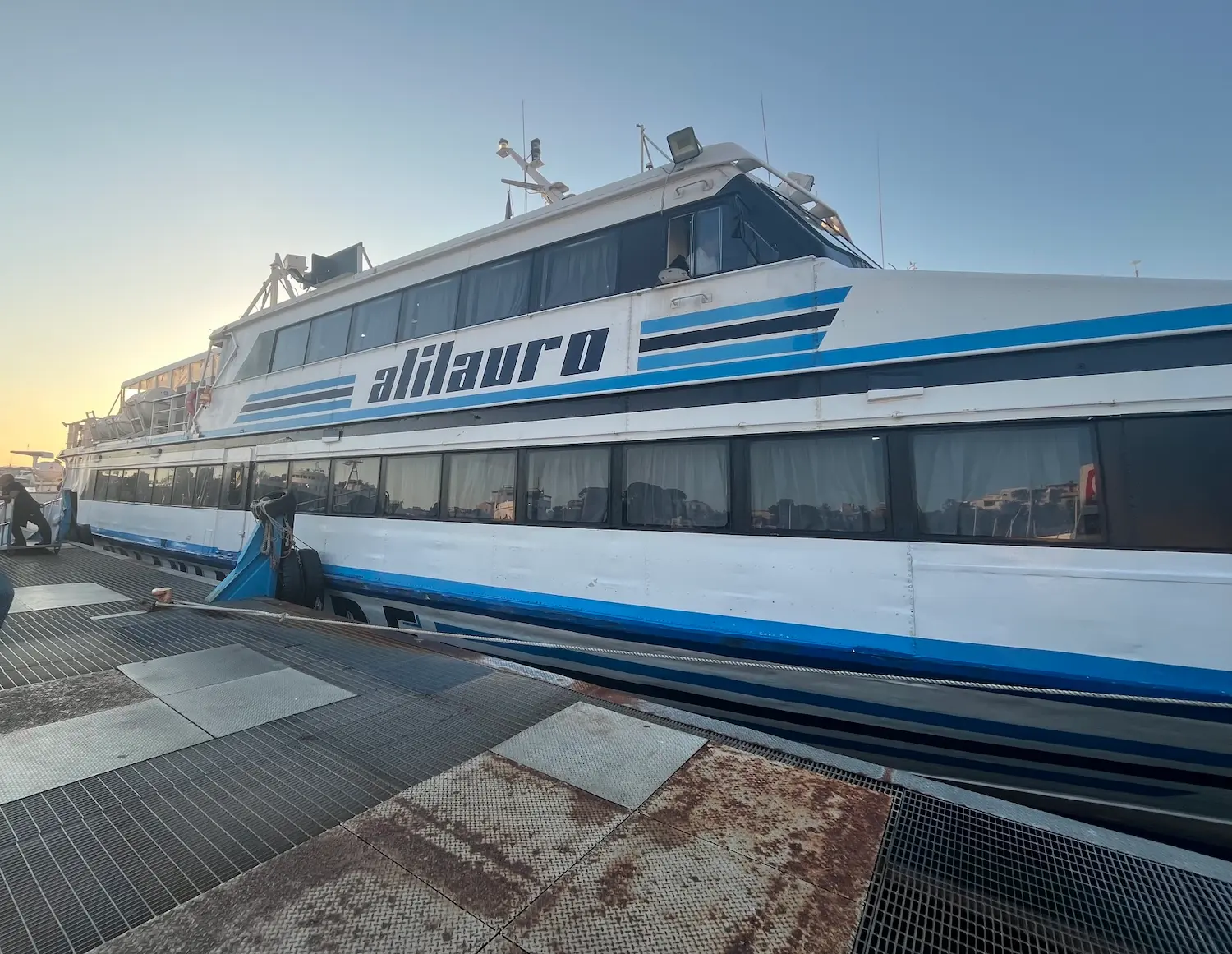
Hydrofoil (aliscafo): Faster at around 50–60 minutes, more expensive, less comfortable in rough seas and more likely to be cancelled in bad weather. The right choice in good conditions when you want to maximise time on the island.
Conventional ferry (traghetto): Slower at around 1 hour 30 minutes, smoother ride, less affected by weather, cheaper. The better choice if you suffer from seasickness or if conditions are rough.
Ferry Operators
The Naples to Ischia route is served by Alilauro, Caremar, Medmar and SNAV, with over 30 daily crossings during high season. Tickets start from around €15 for a foot passenger.
Booking Tickets
Book directly on the individual operator websites rather than through broker comparison sites — the brokers add significant booking fees that the operators don't charge. However, comparison sites Ferryhopper and Direct Ferries are useful for comparing times across operators, but once you've identified the service you want, go directly to the operator's own site to buy. Here are their sites: Alilauro, Caremar, Medmar and SNAV
In peak season (July and August) book ahead. Outside peak season you can generally buy on the day at the pier.
2. Arriving — Which Port?
Ischia has three ferry ports and the right one depends on where you're staying and what you're planning to do.
Ischia Porto is the main port — the largest town on the island, with the most shops, restaurants and transport connections. The vast majority of services from Naples arrive here. If you're unsure, arrive at Ischia Porto.
Casamicciola Terme is a smaller port on the northern coast, useful if you're staying in that area.
Forio is on the western coast and is the most convenient arrival point if you're staying on that side of the island or heading directly to the Poseidon Terme thermal park. Some seasonal services from Naples arrive directly at Forio — check timetables carefully when booking.
3. Getting Around the Island by Bus
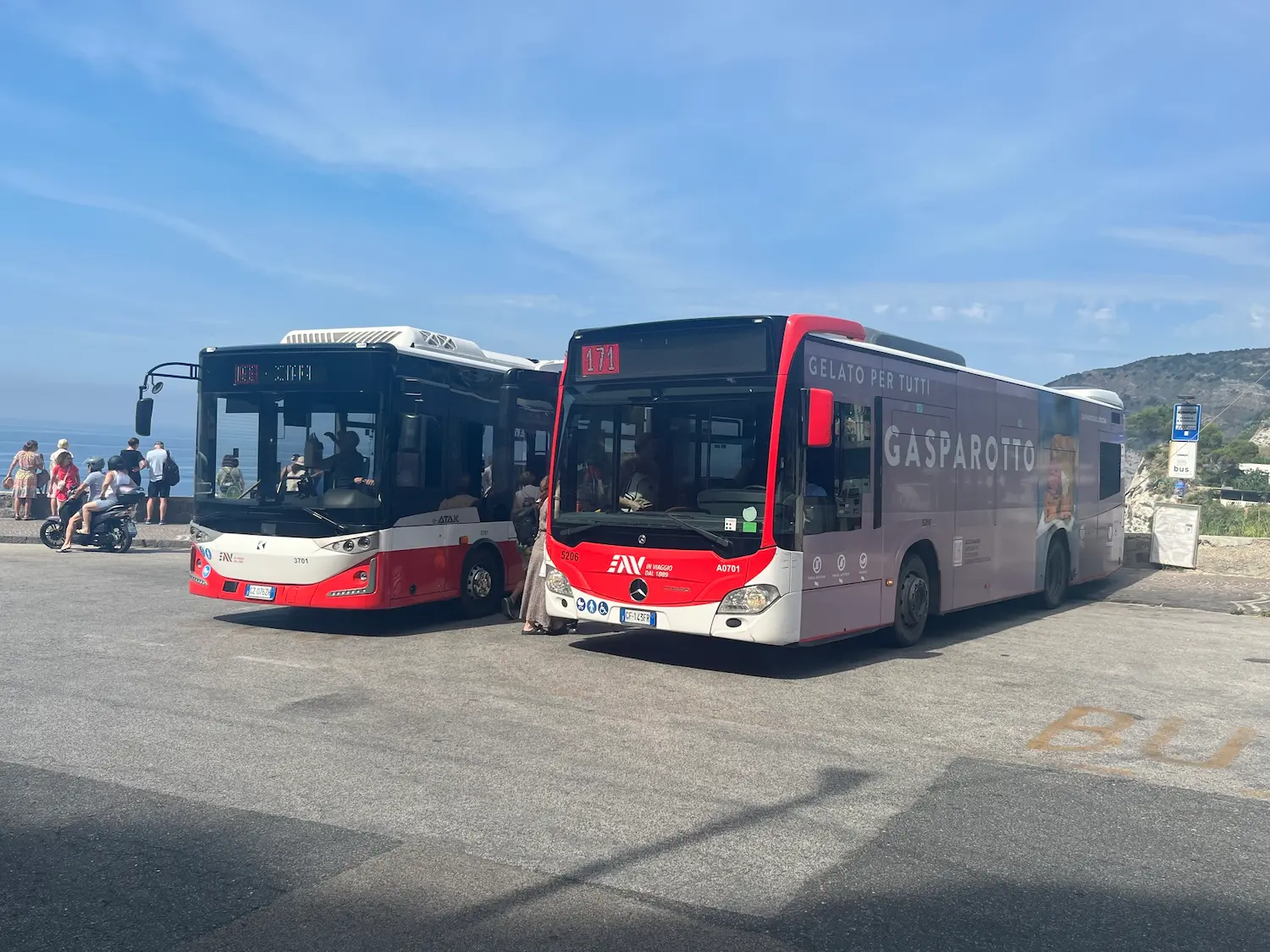
Ischia has an excellent bus network that connects all the main towns and attractions without needing a hire car.
The main bus lines circulate around the island in both directions. Between them they cover the whole coastline and connect all the main settlements. Buses are frequent, inexpensive and serve all the key destinations..
Buy tickets at tabacchi shops or at the bus terminal — validate on board.
| Ticket type | Price |
|---|---|
| Single journey | €1.70 |
| 100-minute ticket (from ticket office, newsagent or bar) | €2.10 |
| Single ticket bought on the bus* | €2.20 |
| All day ticket (valid until midnight on day of first use) | €5.10 |
| Three day ticket | €11.00 |
| Weekly ticket (valid until midnight of first Sunday after first use) | €14.50 |
*Note: tickets are not always available from bus drivers — buy in advance from a newsagent, bar or ticket office where possible.
4. Poseidon Terme — Volcanic Thermal Pools
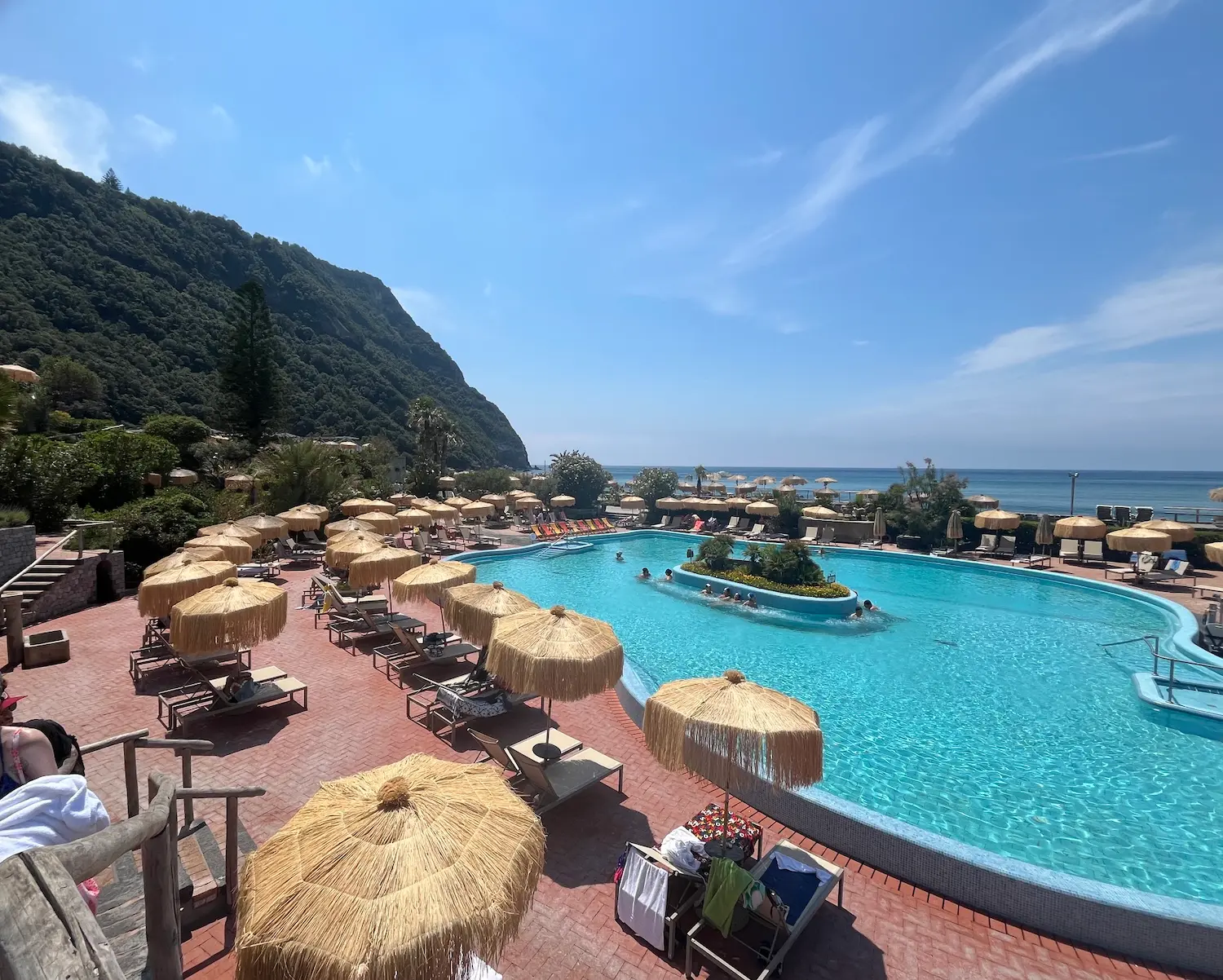
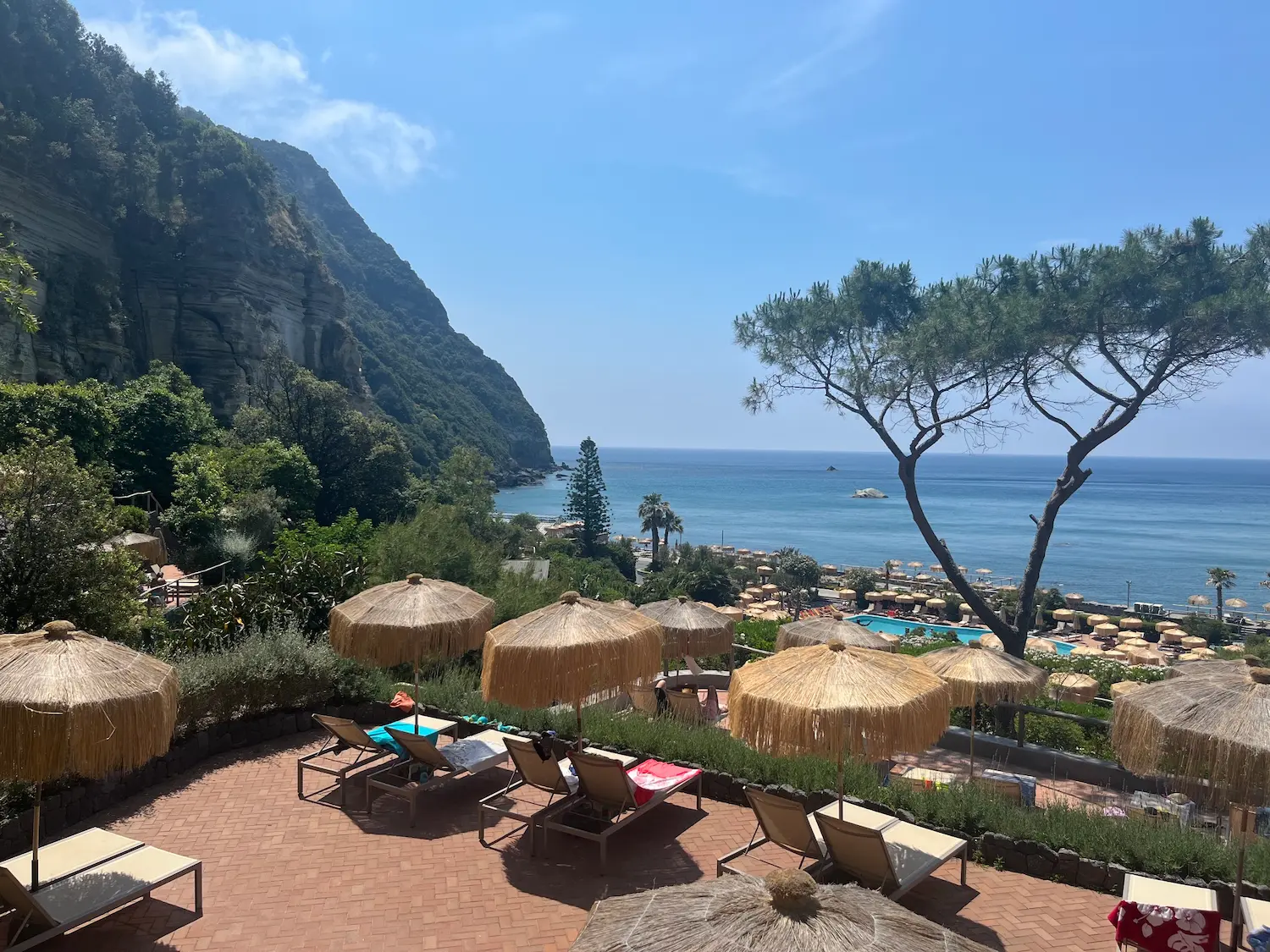
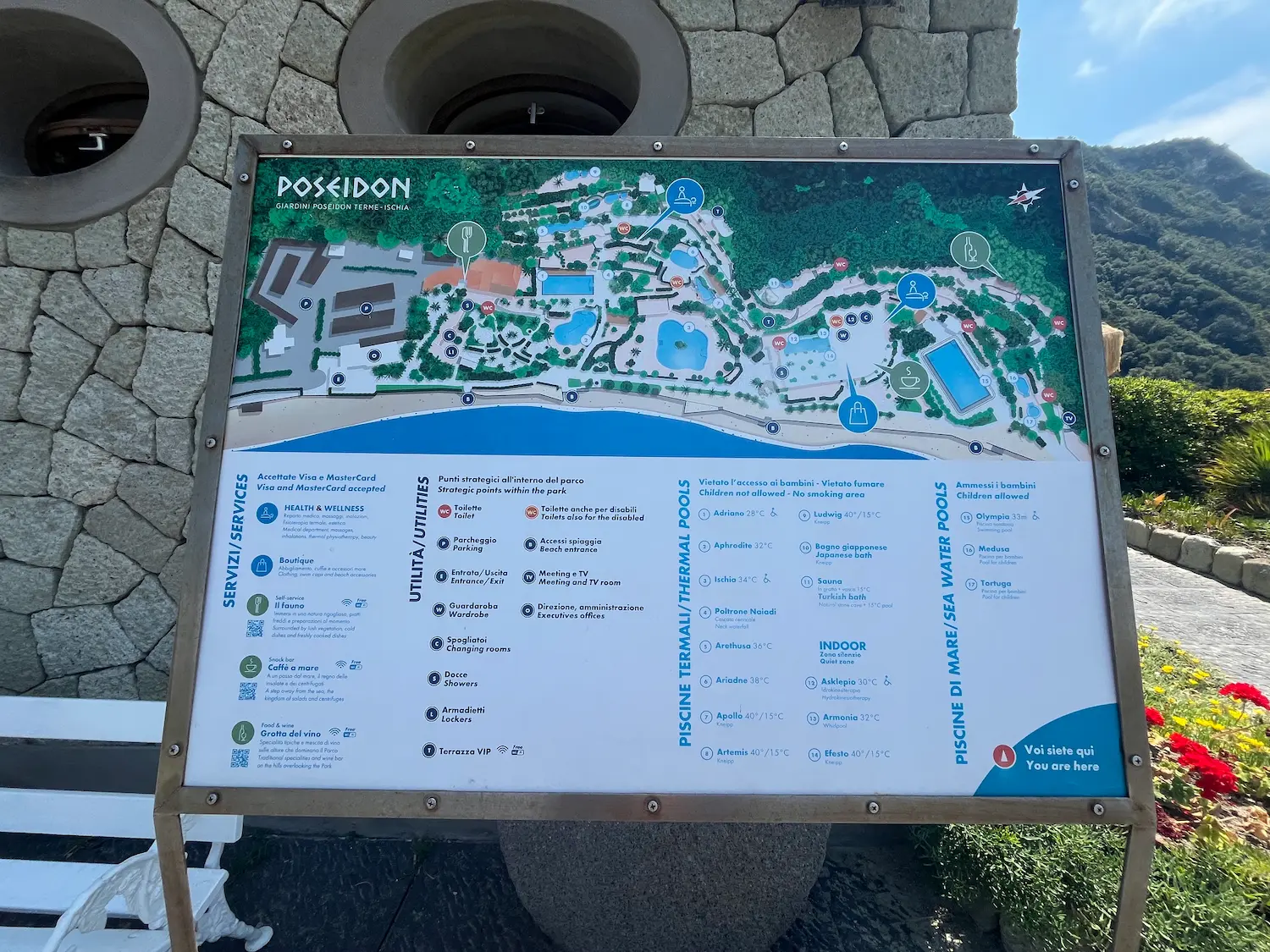
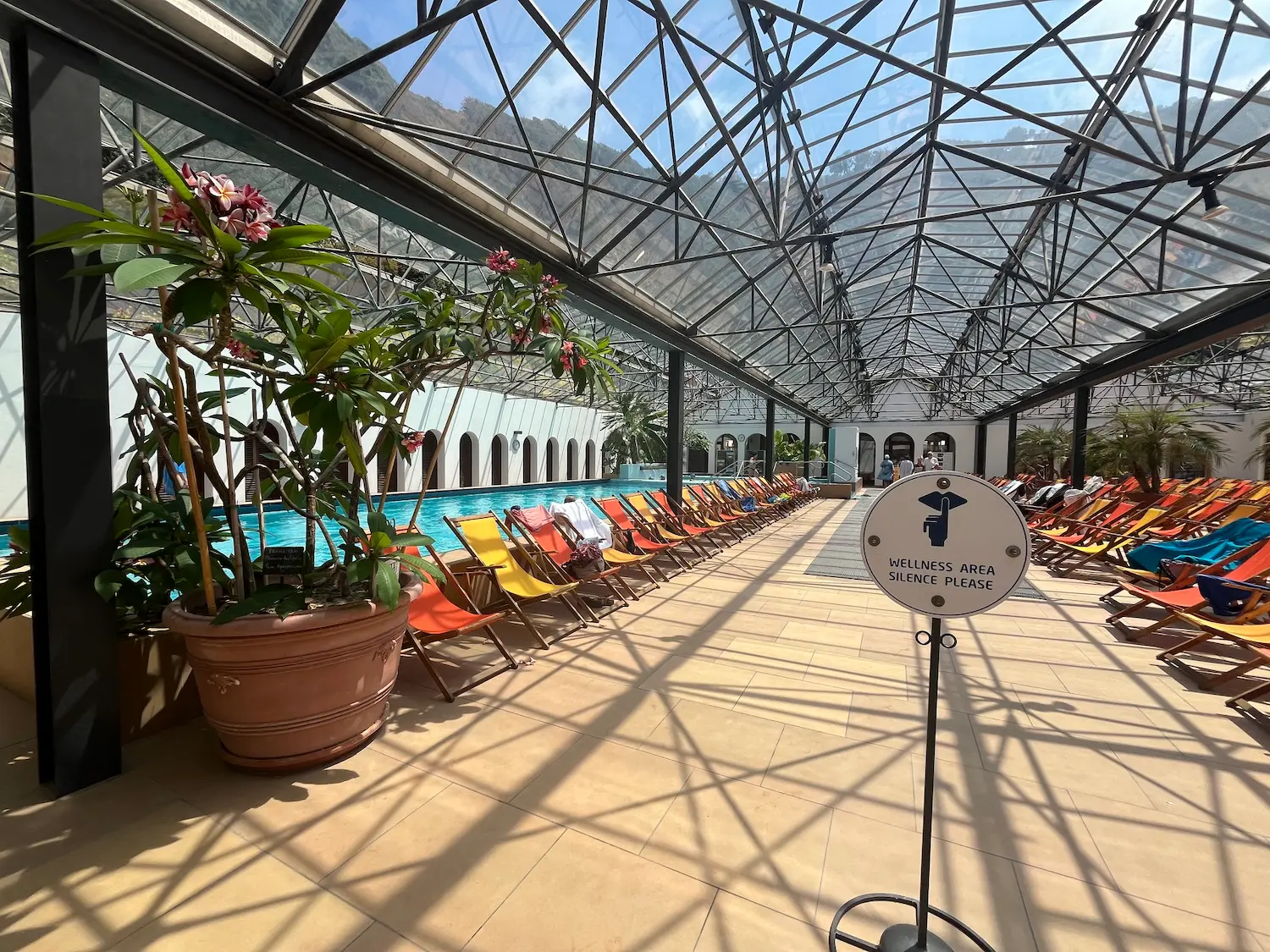
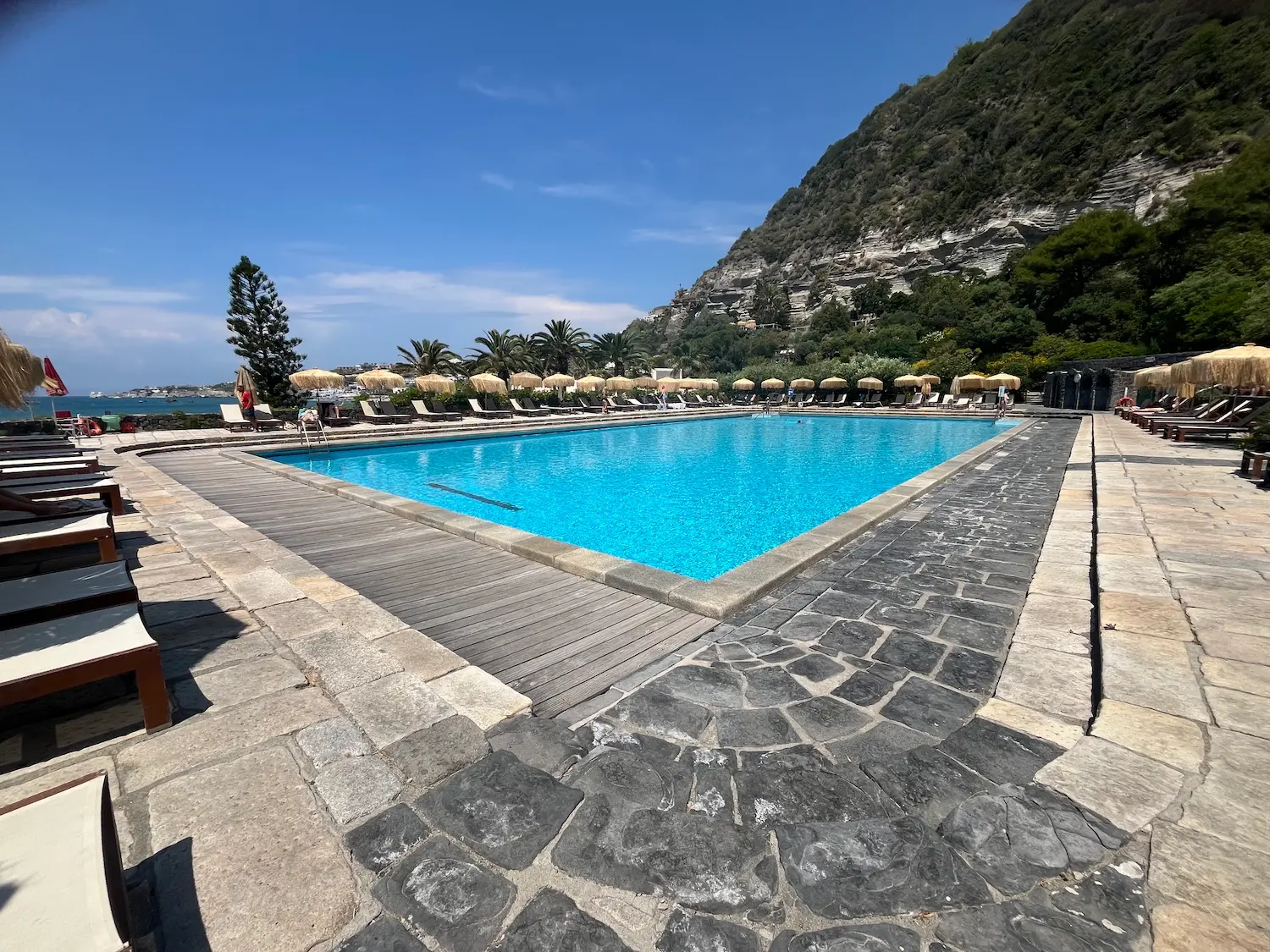
Poseidon Terme, Forio — one of Italy's finest thermal pool complexes, set into volcanic rock above the sea.
Poseidon Terme is one of the most impressive thermal complexes in Italy — a series of pools at different temperatures set into the rock above the sea at Forio, with gardens, terraces and views over the coast. The thermal waters come directly from the volcanic activity beneath the island, and the complex is large enough to spend a full day without feeling crowded.
There are pools ranging from cool sea-temperature water to very hot thermal pools at over 40 degrees, waterfalls, mud treatments and a private beach. The setting — volcanic rock, Mediterranean vegetation, sea views — is extraordinary.
Getting there: From Ischia Porto, take the 172 bus towards Forio. The complex has its own bus stop.
Book in advance in peak season — the complex has a daily capacity limit and sells out on busy summer days. Prices are around €50, with reduced prices for afternoon only or evening entry. Check current prices and opening hours at giardiniposeidon.com.
The other major thermal park worth knowing about is Negombo, at Lacco Ameno on the northern coast — the pools are set within a botanical garden overlooking the Bay of San Montano. Entry costs around €30–55 depending on season and time of day — afternoon tickets from 1:30pm are available at a reduced rate. Reachable by bus from Ischia Porto on the 172 bus.
5. Castello Aragonese — Ischia's Most Dramatic Sight
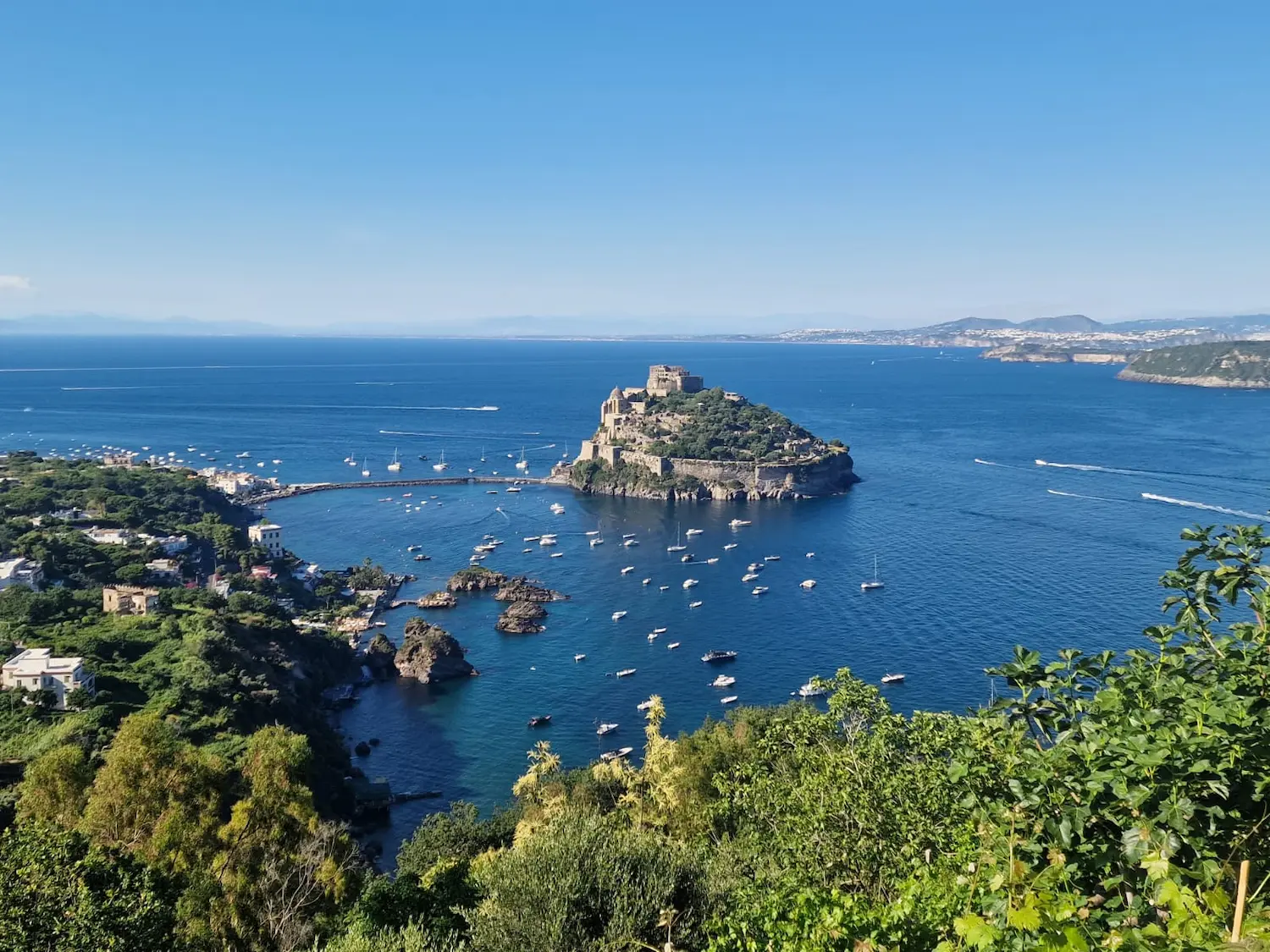
The Castello Aragonese is Ischia's defining landmark — a castle on a volcanic rock joined to the main island by a stone bridge, with the town of Ischia Ponte clustered at its foot. The castle has been there in some form since 474 BC, though what you see today is largely the result of Alfonso of Aragon's reconstruction in 1441, which added the bridge still in use today.
The walk up through the castle complex takes you through a series of levels — ruined churches, a convent, a nuns' cemetery, bastions with panoramic views — and rewards properly at the top with views across the bay and back towards Naples and Vesuvius. There is a café and a restaurant inside the complex for those who want to stay longer.
Entry costs around €15. The complex is open daily. Check current opening hours before visiting.
6. Sant'Angelo and the Southern Coast
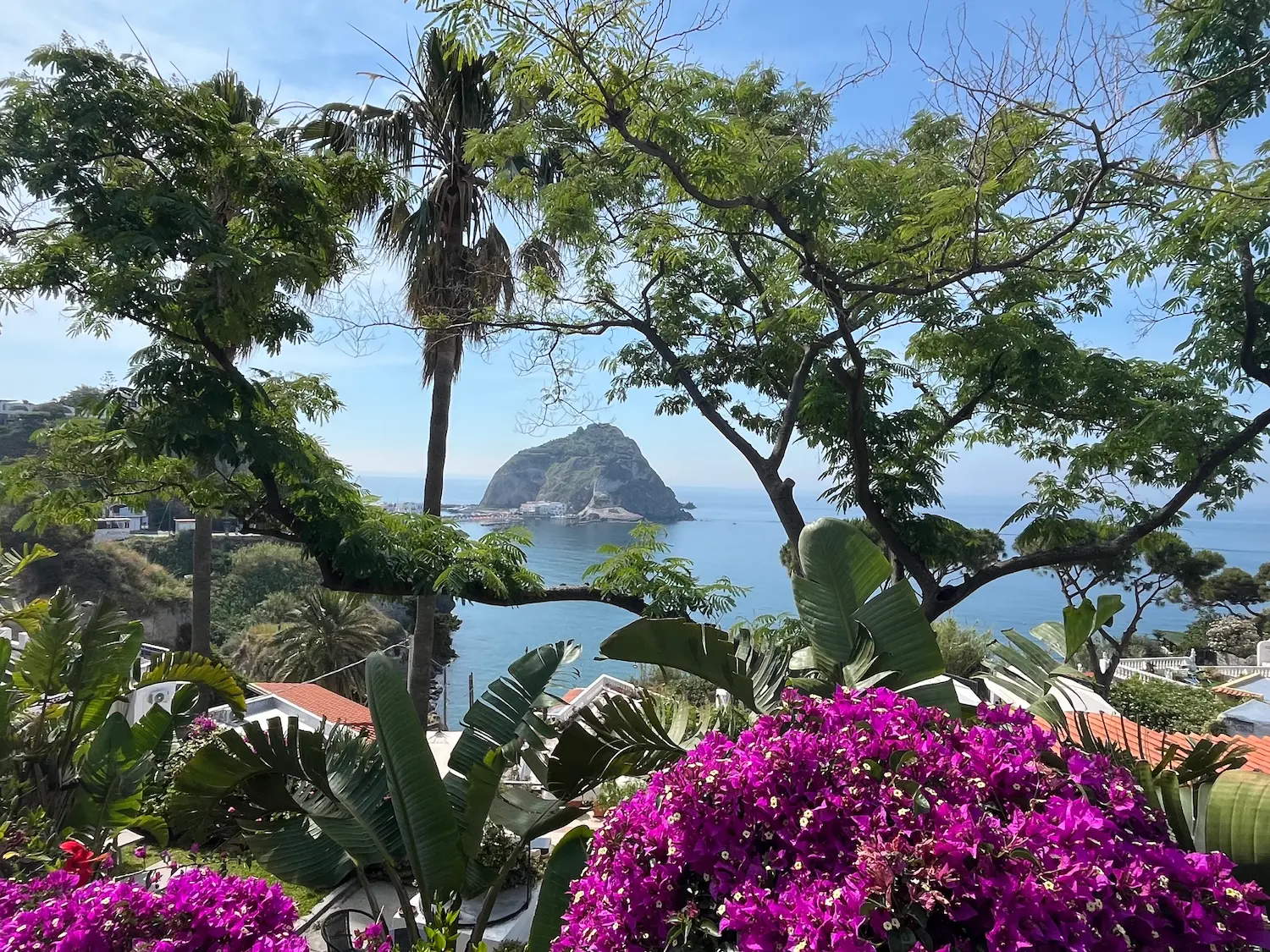
Sant'Angelo is a small car-free fishing village on the southern tip of the island — a cluster of colourful houses around a tiny harbour, connected to a rocky promontory. It is one of the most picturesque spots on Ischia.
The bus journey to Sant'Angelo from Ischia Porto or Ischia Ponte is itself worth taking — the bus route loops around the southern coast of the island through a landscape of vineyards, volcanic hillside and sea views that is genuinely beautiful. Allow around 45 minutes from Ischia Porto.
From Sant'Angelo, small boats run to the surrounding beaches — including Spiaggia dei Maronti, the longest beach on the island, which is only accessible by boat or on foot. The water off the southern coast is clear and the beaches are significantly less crowded than those around Ischia Porto and Casamicciola.
Sant'Angelo has good restaurants around the harbour — seafood, local pasta, Ischian wine — and the absence of cars gives the village a genuinely unhurried atmosphere.
7. Mount Epomeo — Hiking to the Highest Point
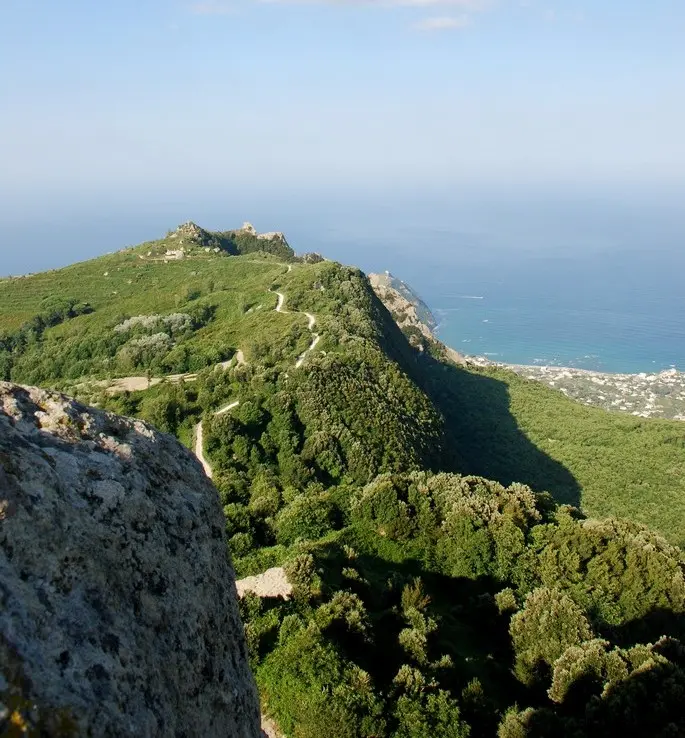
At 787 metres, Mount Epomeo is the highest point on Ischia and the volcanic core around which the whole island formed. The hike to the summit is one of the most rewarding things to do on the island — and entirely reachable without a hire car.
Take the bus to Fontana, the village closest to the trailhead on the upper slopes. From Fontana, the path to the summit takes around 45 minutes — rocky and steep in places but well-marked. At the top, the views extend across the whole island, across the Bay of Naples to Vesuvius, and on clear days as far as the Amalfi Coast and Capri.
There is a small restaurant near the summit — carved into the tufa rock — where you can have lunch or a drink before the descent. The return to Fontana takes around 30 minutes downhill.
Getting there by bus: Take the 197 or 198 bus from Ischia Porto towards Serrara Fontana and get off at Fontana. Journey time around 40 minutes. Buy your bus ticket before boarding at a tabacchi or newsagent.
8. Vineyards — Cenatiempo and the Ischian DOC
Ischia has been producing wine since the ancient Greeks colonised it in the 8th century BC — making it one of the oldest wine-producing territories in Italy. The volcanic soil, the sea air and the steep terraced vineyards produce distinctive wines unlike those of the mainland: the whites in particular — made from Forastera and Biancolella grapes — are mineral, saline and excellent with seafood.
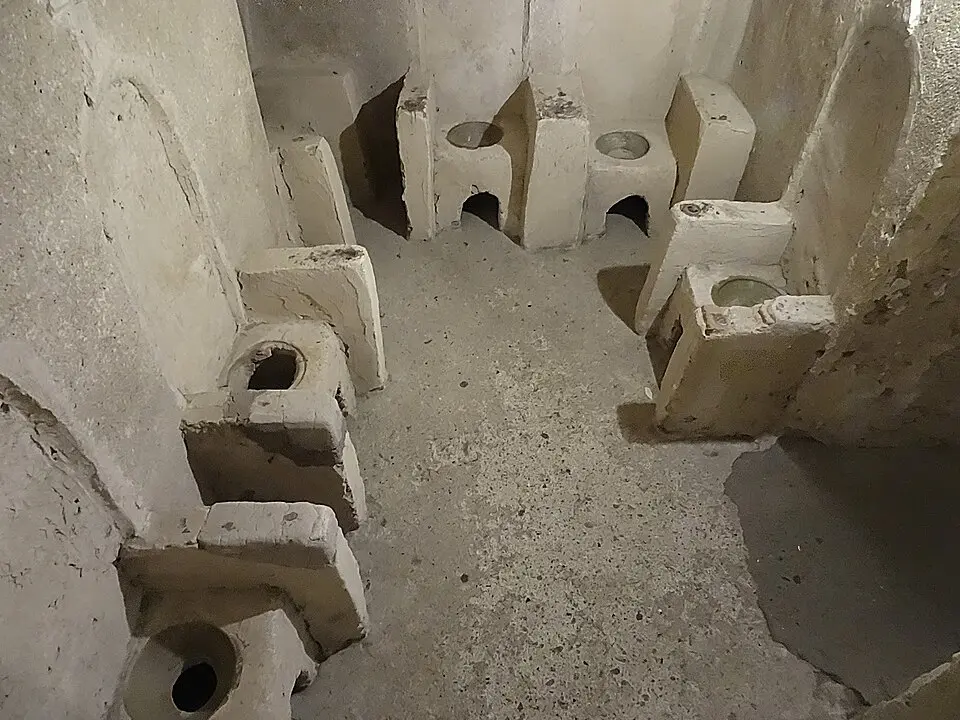
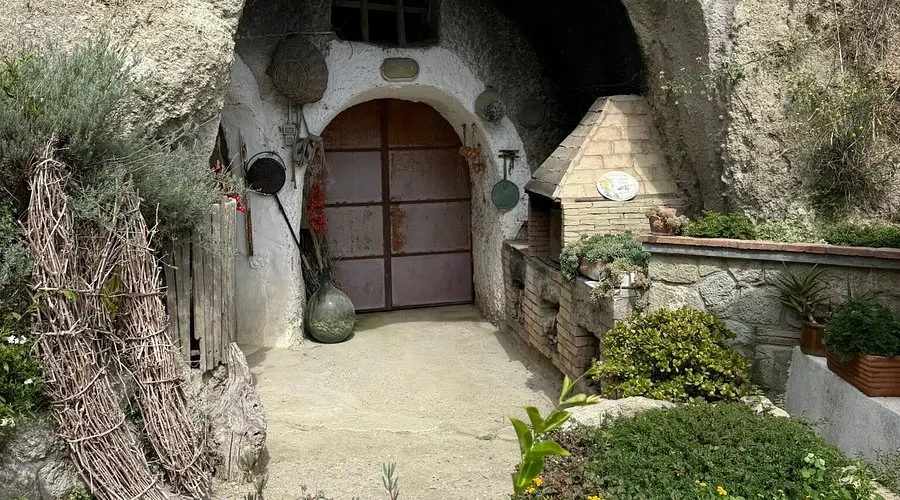
One of the interesting things about Cenatiempo is that they have a cave where their wines are stored, and where in the past their wine-making was done. The historic tour of the cave is part of the overall experience.
Cantine Cenatiempo is one of the most accessible wineries for visitors without a hire car. The winery is in the hills above Ischia Porto and easily reachable by bus (197 or 198). The winery offers tastings and the setting — terraced vines with views over the bay — is beautiful. Check current visiting hours and book in advance where possible.
Appointments cost around €45 and include a historic tour of their cave and the Kalimera vineyard, as well as tasting ample wine and food accompaniments.
Several other wineries on the island also offer tastings — ask at your hotel or B&B for recommendations based on where you're staying, as some are more easily reached from certain parts of the island.
9. Giardini La Mortella — A World-Class Botanical Garden
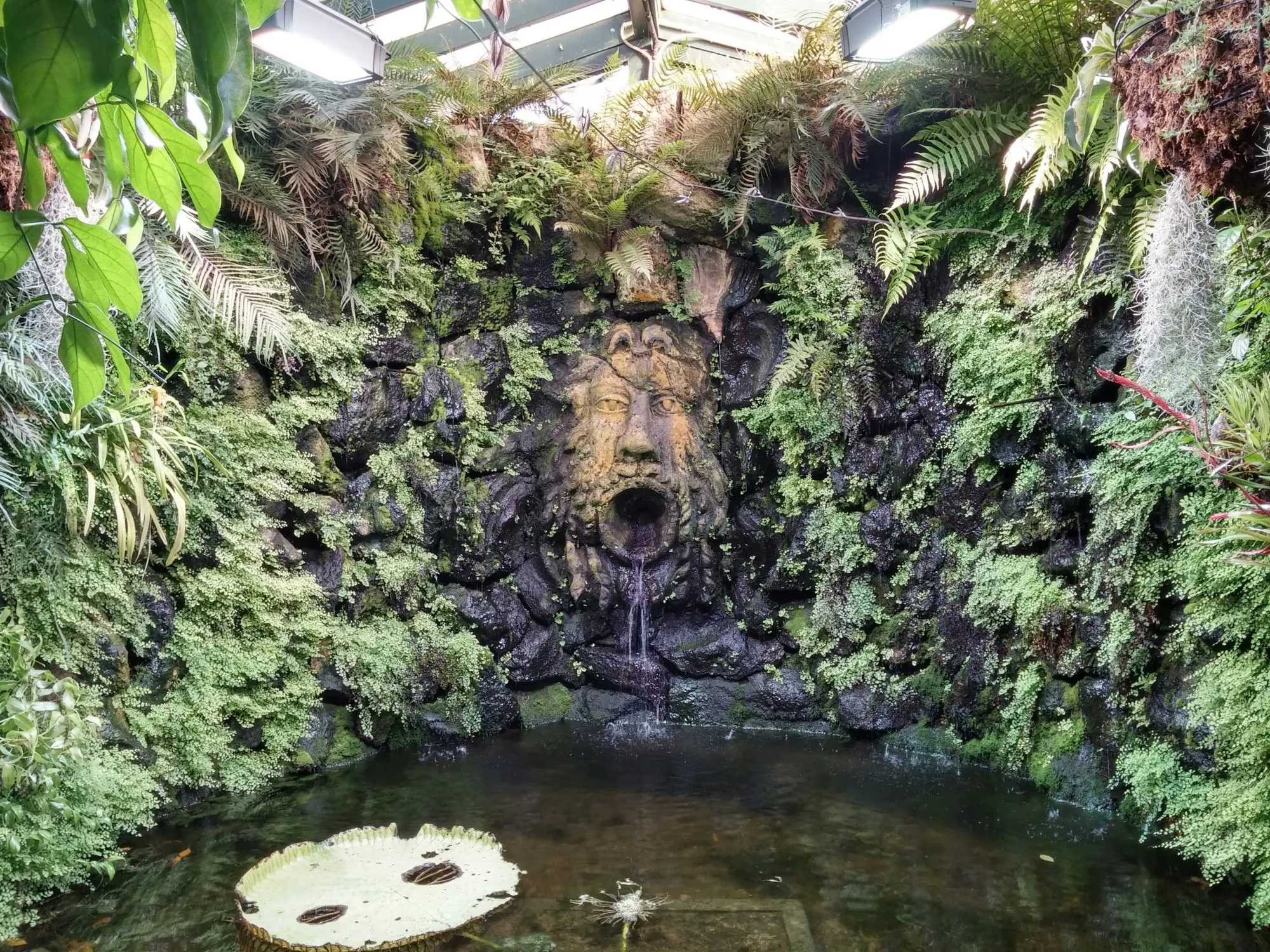
La Mortella is a beautiful garden. Created by the British composer William Walton and his wife Susana in the 1950s on a rocky hillside above Forio, the gardens were designed by the landscape architect Russell Page and have grown over decades into an extraordinary collection of rare and exotic plants from around the world, terraced across the volcanic hillside with pools, fountains and views over the sea.
The gardens are open Tuesday, Thursday, Saturday and Sunday from April to November, from 9am to 7pm. Entry costs around €15. Get there early — it is busy on summer weekends. Reachable by bus from Ischia Porto on the 172 route towards Forio — ask the driver for the La Mortella stop
10. Food — The Zingara and Ischian Cooking
Ischia has its own food culture distinct from the Naples mainland — seafood from the surrounding waters, rabbit cooked alla ischitana (braised with tomatoes, herbs and white wine in a terracotta pot), and the island's own DOC wine to drink alongside.
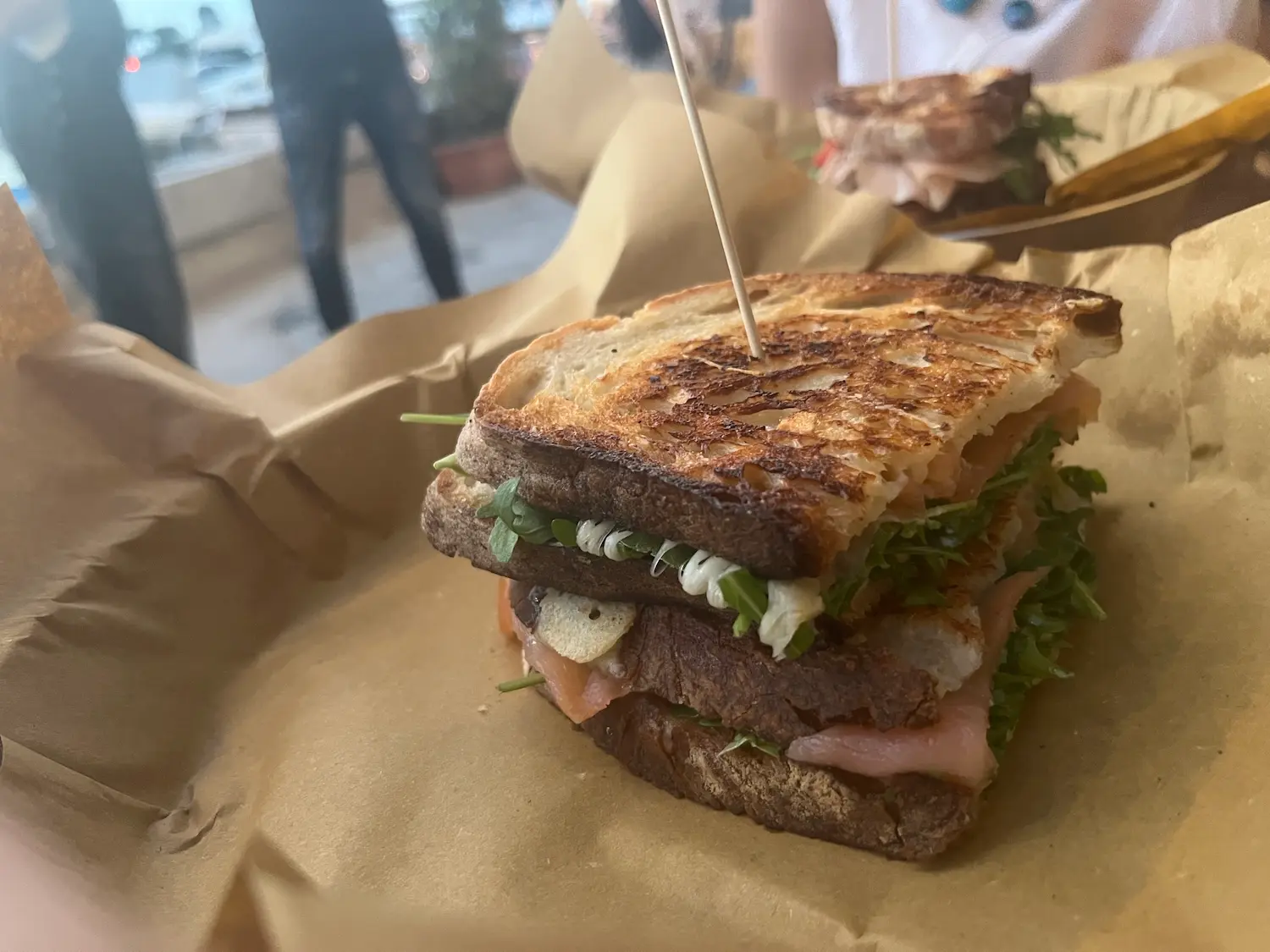
One popular choice is zingara — and it is not a restaurant dish. It is a toasted sandwich, invented in the late 1970s at a bar in Ischia Ponte, and now found at bars and cafés all over the island. The classic filling is prosciutto crudo, fiordilatte mozzarella, tomato, lettuce and mayonnaise, pressed and grilled on a cast iron plate until the bread is crisp and the cheese has melted. The name means "gypsy" in Italian — a reference to its free-spirited, eat-on-the-go nature.
The best version in the island is widely considered to be at Porto 51, a local bar where they add basil pesto and are always inventing creative variations. This is where I ate - and I can recommend it. But you'll find excellent zingara at bars all over the island.
For a more substantial meal, rabbit alla ischitana is the dish to order in local restaurants — slow-cooked in white wine, tomatoes and aromatic herbs in a sealed terracotta pot, it is the taste of the island in a single dish. Seafood — grilled, fried or with pasta — reflects the surrounding waters and is excellent throughout.
11. Where to Stay
Ischia Ponte is a good base for most visitors — quieter than Ischia Porto (the main town), with good restaurants nearby, the Castello Aragonese within easy walking distance for evening visits, and bus connections to the rest of the island.
A personal recommendation: La Vigna B&B in Ischia Ponte — a quiet, exceptionally clean B&B with friendly staff, close to both the restaurants of Ischia Ponte and the Castello. The kind of place that makes you want to return. You can book direct or via booking.com
Ischia Porto is the busiest part of the island — good for a night out, with the most choice of restaurants and shops, but noisier and less atmospheric than Ischia Ponte.
Forio suits visitors primarily interested in Poseidon Terme or the beautiful western beaches, and those who want a quieter base away from the main tourist traffic.
Sant'Angelo is the most romantic option — car-free, small and beautiful — but more limited in terms of transport connections and services.
12. Practical Information
Best time to visit: May, June, September and October are the ideal months — good weather, thermal pools open, the island at its most beautiful without the peak summer crowds. During the week is better than a weekend — Ischia is a very popular destination for Neapolitans at weekends in summer.
July and August: Hot, busy and expensive. The island is not unpleasant in peak summer but it is a different experience — noisier, more crowded and with higher prices for accommodation and ferries.
Cars: Although you can bring your car to Ischia, honestly you don't need one — the bus network covers everything worth seeing.
Luggage: Keep bags manageable — buses can be busy and the island's streets, particularly in Sant'Angelo and Ischia Ponte, are narrow and sometimes steep.
Rough weather: The aliscafo (hydrofoil) services are more likely to be cancelled or delayed in rough seas. If the forecast shows strong winds, consider taking the conventional ferry instead — slower but more reliable.
Booking ferries: Buy directly on operator websites — Caremar, Alilauro, Medmar and SNAV. Broker sites add significant booking fees. Ferryhopper and Direct Ferries are useful for comparing times but cheaper to buy on the operator sites.
Frequently Asked Questions
How do I get from Naples to Ischia by ferry?
Hydrofoils (aliscafi) depart from Molo Beverello in central Naples and take around 50–60 minutes. Conventional ferries (traghetti) depart from Calata Porta di Massa and take around 1 hour 30 minutes. Take the Naples metro to Municipio to reach both piers. Book directly with operators — Caremar, Alilauro, Medmar and SNAV — rather than through broker sites.
Which port should I arrive at in Ischia?
For most visitors, Ischia Porto is the most convenient arrival — the largest town, best transport connections and most services. Forio is better if you're staying on the western side of the island or heading directly to Poseidon Terme. Check your ferry ticket carefully as services go to different ports.
Do I need a hire car in Ischia?
No — the island bus network connects all the main towns and attractions. Poseidon Terme, Sant'Angelo, the vineyards and the Castello Aragonese are all reachable by bus.
What is Poseidon Terme?
Poseidon Terme is a large thermal pool complex at Forio on the western coast — a series of pools at different temperatures set into volcanic rock above the sea, with gardens, terraces, mud treatments and sea views. One of the finest thermal experiences in Italy. Book in advance in peak season.
What is the Castello Aragonese?
The Castello Aragonese is a castle on a volcanic rock connected to the island by a stone bridge, adjacent to the town of Ischia Ponte. The complex dates from 474 BC in its origins, though the current structure is largely 15th century. Entry costs around €15 — the views from the top across the bay are exceptional, and there is a café and restaurant inside.
When is the best time to visit Ischia?
May, June, September and October — good weather, the thermal pools open, the island at its most beautiful without peak summer crowds. Weekdays are significantly quieter than weekends, when the island is popular with day-trippers from Naples. Avoid July and August if possible.
Is Ischia better than Capri?
They are very different islands. Capri is smaller, more glamorous and more visited. Ischia is larger, more varied, more affordable and more suited to several nights — thermal pools, vineyards, beaches and walking alongside the sightseeing. For a longer stay, Ischia is the better choice. For a single day from Naples, Capri is more concentrated.
Also on The Unseen Italy: Capri by Ferry from Naples · Salerno and the Amalfi Coast · Mount Vesuvius by Train · How Italy's Train Network Work · Day Trips from Naples by Train: The Complete Guide · Naples by Train: The Complete City Guide · Sorrento by Train from Naples: The Complete Day Trip Guide