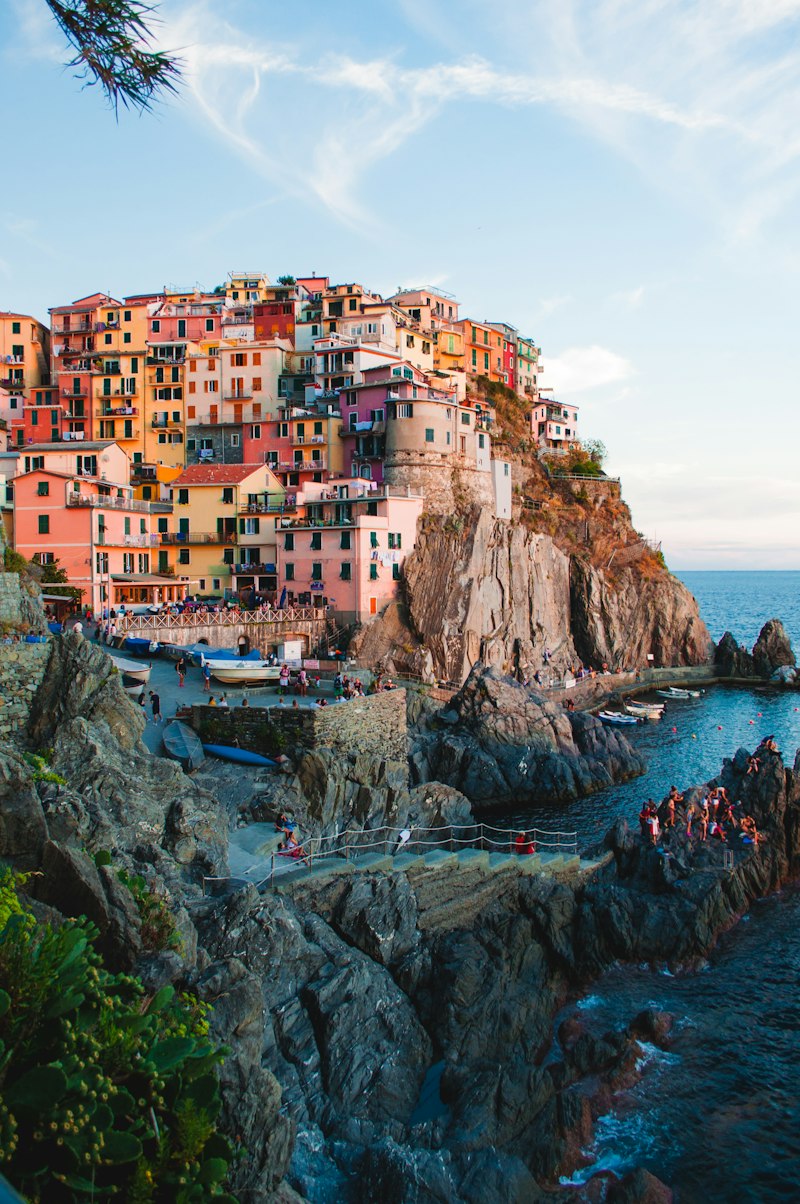
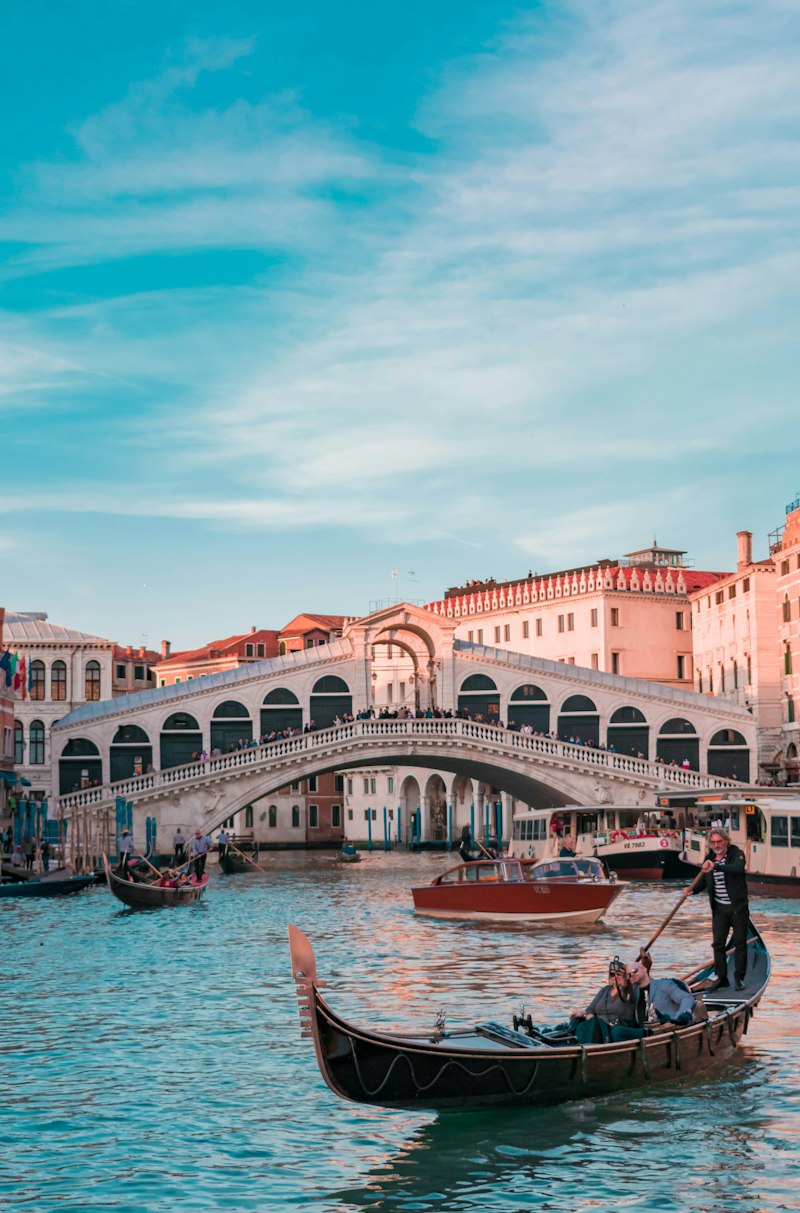
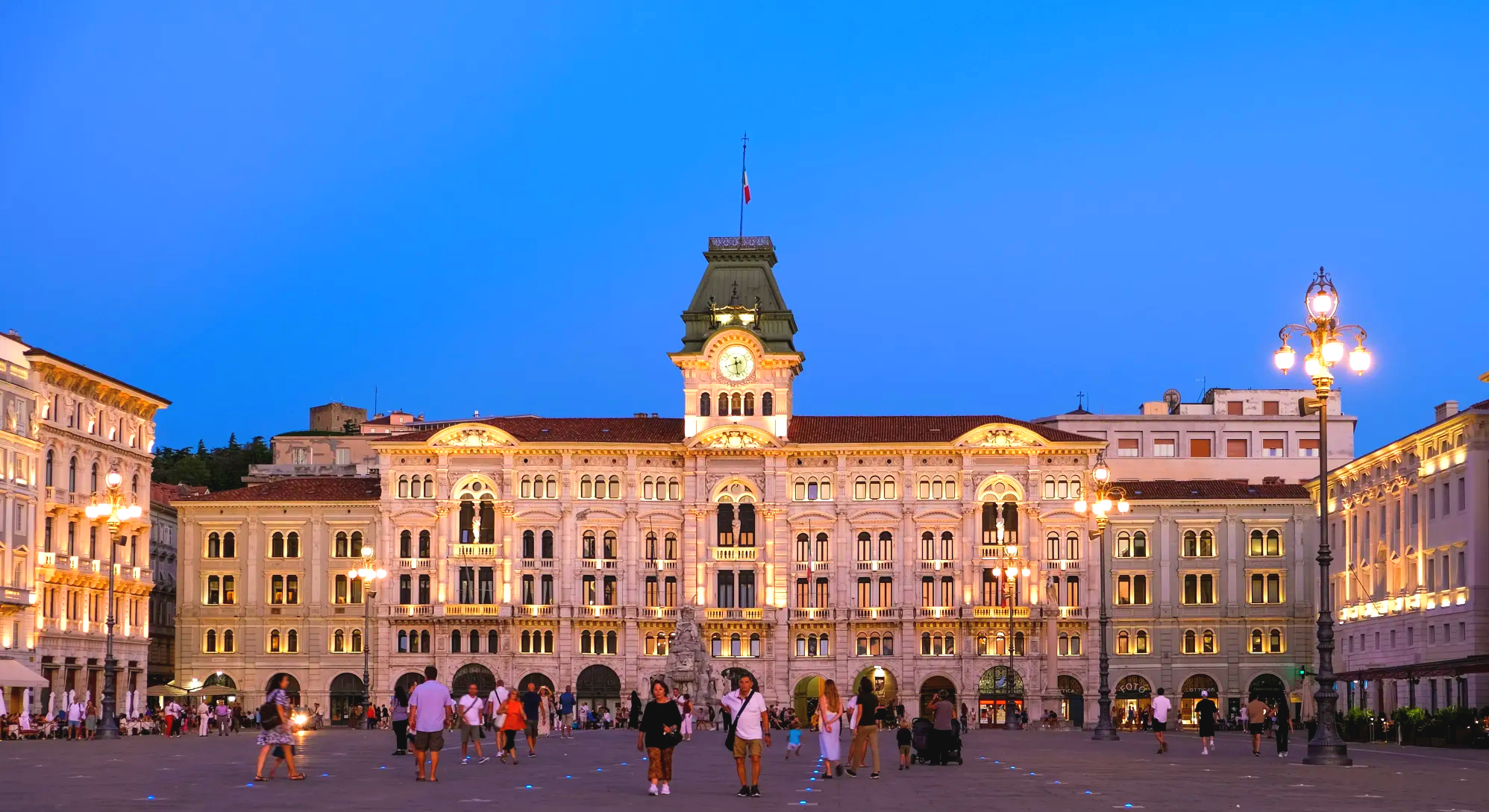
Itineraries, route guides and hidden places for the independent traveller. No hire car, no stress — just Italy at its best, seen from a train window.
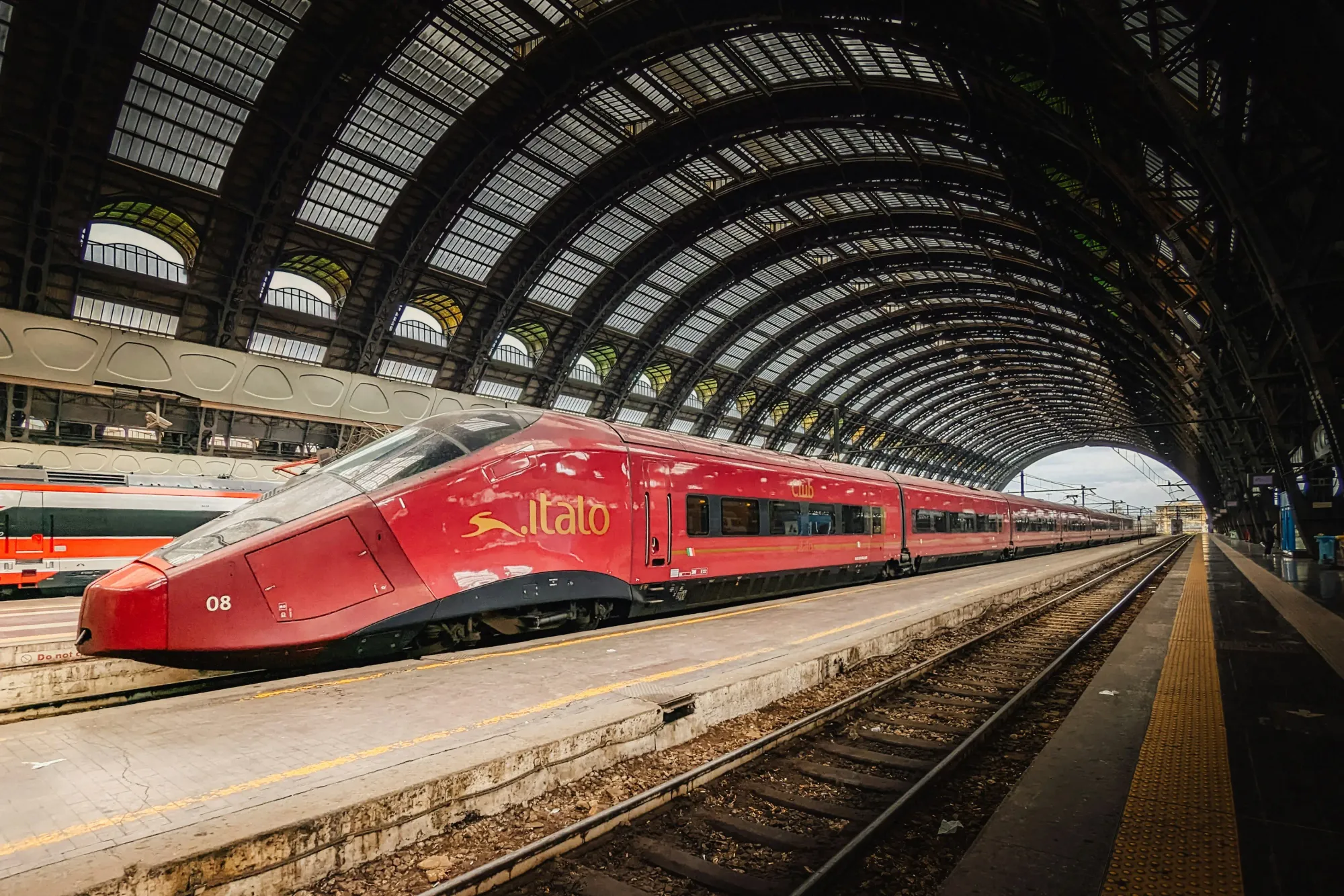
Start exploring →Everything you need to know — from buying tickets to Trenitalia vs Italo. Your first Italian train trip, simplified.
Read the guide → 02How to build a realistic, car-free itinerary in Italy — including which regions connect best by train.
Read the guide → 03Trenitalia vs Italo, regional trains, ferries and city metros — a plain-English guide to every transport option.
Read the guide →
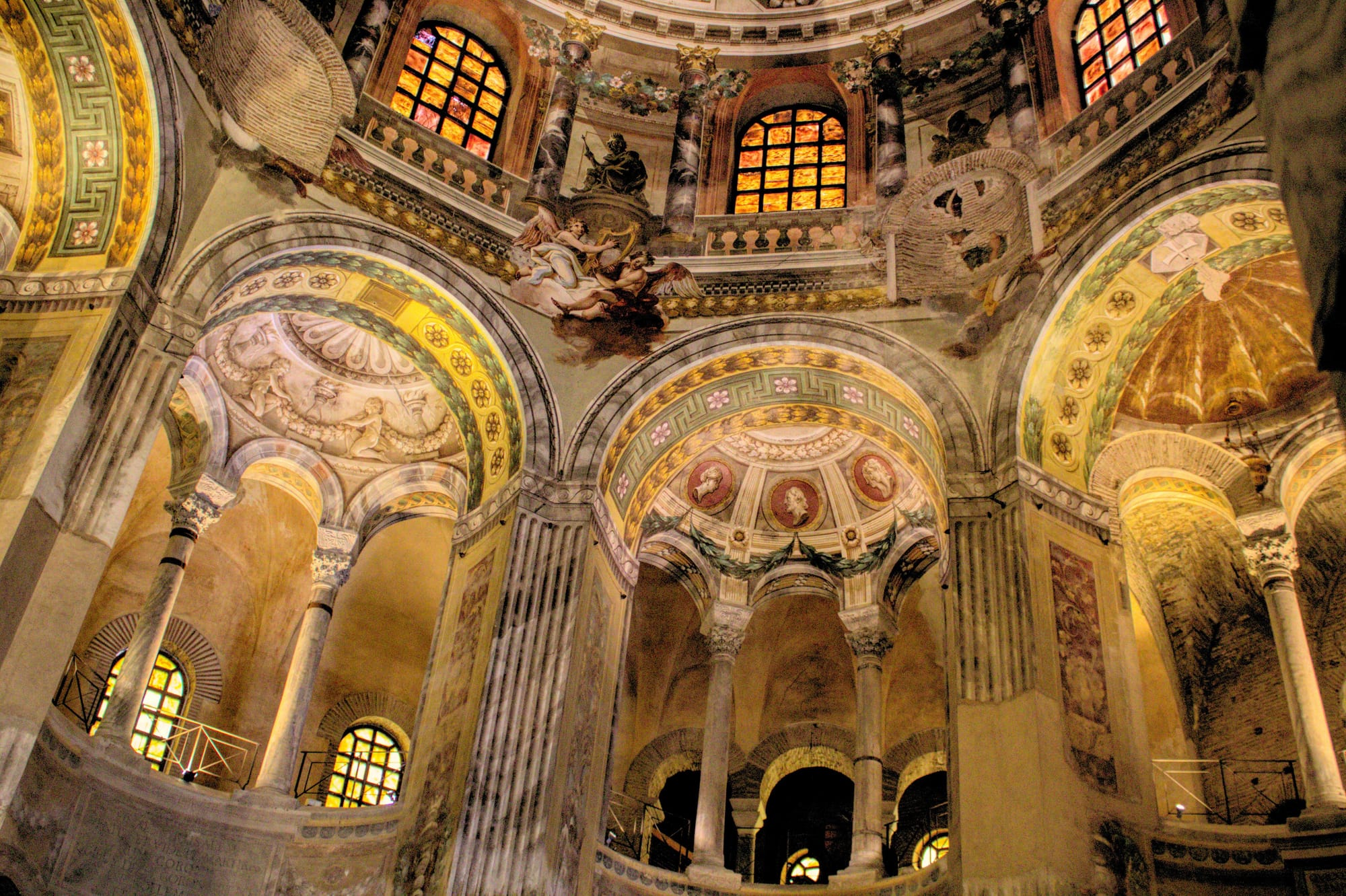
Ravenna was the last capital of the Western Roman Empire, then the seat of Byzantine power in Italy for two centuries more. Eight monuments survive from that era - the finest collection of early Christian mosaics anywhere in the world. An hour from Bologna by direct train.
Ferrara has a moated Renaissance castle in the centre of the city, nine kilometres of walls to cycle around, frescoes that rival those in Florence, and almost no tourist crowds. Thirty minutes from Bologna by train.
Bologna has three nicknames - La Rossa for the terracotta rooftops, La Dotta for Europe's oldest university, La Grassa for the food. Thirty-eight minutes from Florence by train and almost entirely absent from the standard Italy itinerary. The best food city in Italy, and one of the least visited.
Alberobello is one of the most distinctive townscapes in Europe - over 1,500 conical-roofed trulli crowding a Puglian hillside, UNESCO-listed since 1996. The bus from Bari gets you there in an hour and fifteen minutes. No hire car needed.
Matera is one of the most extraordinary places in Italy - cave dwellings carved from limestone, an underground cistern the size of a cathedral, and a suspension bridge across a ravine. And entirely reachable without a hire car.
Striped Romanesque churches, a cathedral square among the finest in Tuscany, and a medieval hospital decorated with Della Robbia masterpieces — only 30 minutes from Florence by train, and almost entirely overlooked.